
Kathi-Ann Busha, LCMHC
Utah · 6 yrs exp
Works with Stress, Anxiety / Trauma and abuse / Self esteem +9
Works by Client-Centered Therapy / Dialectical Behavior Therapy (DBT)
View ProfileWelcome to our directory for online therapists in Utah. All therapists listed here are licensed in Utah - explore the profiles below to learn about their approaches, credentials, languages, and client focus areas.
Utah · 6 yrs exp
Works with Stress, Anxiety / Trauma and abuse / Self esteem +9
Works by Client-Centered Therapy / Dialectical Behavior Therapy (DBT)
View Profile
Utah · 30 yrs exp
Works with Stress, Anxiety / Trauma and abuse / Grief +2
View Profile
Utah · 23 yrs exp
Works with Stress, Anxiety / Anger / Self esteem +2
View Profile
Utah · 18 yrs exp
Works with Stress, Anxiety / Relationship / Grief +11
Works by Client-Centered Therapy / Motivational Interviewing
View Profile
Utah · 20 yrs exp
Works with Stress, Anxiety / Addictions / Relationship +12
Works by Client-Centered Therapy / Cognitive Behavioral Therapy (CBT)
View Profile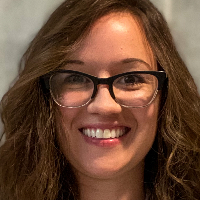
Utah · 7 yrs exp
Works with Addictions / Grief / Self esteem +10
Works by Client-Centered Therapy / Cognitive Behavioral Therapy (CBT)
View Profile
Utah · 21 yrs exp
Works with Stress, Anxiety / Family / Bipolar +16
Works by Acceptance and Commitment Therapy (ACT) / Client-Centered Therapy
View Profile
Utah · 11 yrs exp
Works with Stress, Anxiety / Addictions / Relationship +17
Works by Acceptance and Commitment Therapy (ACT) / Attachment-Based Therapy
View Profile
Utah · 25 yrs exp
Works with Stress, Anxiety / Relationship / Self esteem +10
Works by Client-Centered Therapy / Cognitive Behavioral Therapy (CBT)
View Profile
Utah · 7 yrs exp
Works with Stress, Anxiety / Relationship / Trauma and abuse +10
Works by Client-Centered Therapy / Cognitive Behavioral Therapy (CBT)
View Profile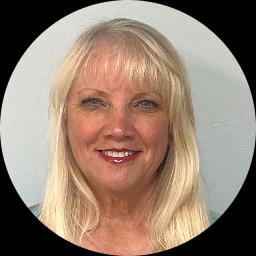
Utah · 12 yrs exp
Works with Stress, Anxiety / Addictions / Relationship +15
Works by Attachment-Based Therapy / Client-Centered Therapy
View Profile
Utah · 23 yrs exp
Works with Stress, Anxiety / Addictions / Family +13
Works by Client-Centered Therapy / Cognitive Behavioral Therapy (CBT)
View Profile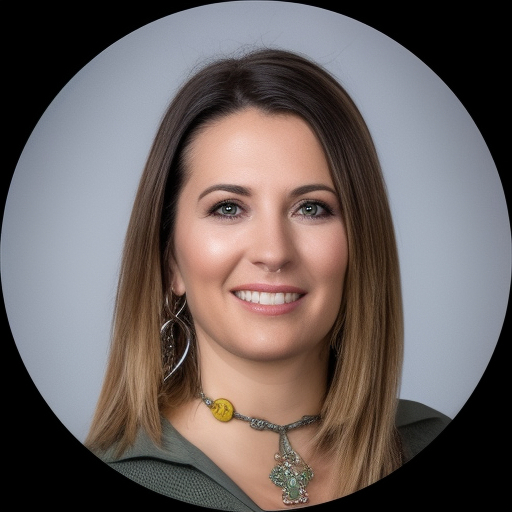
Utah · 10 yrs exp
Works with Stress, Anxiety / Addictions / Relationship +13
Works by Attachment-Based Therapy / Client-Centered Therapy
View Profile
Utah · 7 yrs exp
Works with Stress, Anxiety / Relationship / Trauma and abuse +13
Works by Client-Centered Therapy / Cognitive Behavioral Therapy (CBT)
View Profile
Utah · 11 yrs exp · 2 languages
Works with Stress, Anxiety / Self esteem / Coping with life changes +5
Works by Acceptance and Commitment Therapy (ACT) / Client-Centered Therapy
View Profile
Utah · 3 yrs exp
Works with Stress, Anxiety / Relationship / Self esteem +8
Works by Acceptance and Commitment Therapy (ACT) / Client-Centered Therapy
View Profile
Utah · 3 yrs exp
Works with Stress, Anxiety / Grief / Self esteem +2
View Profile
Utah · 12 yrs exp
Works with Stress, Anxiety / Relationship / Trauma and abuse +2
View Profile
Utah · 20 yrs exp
Works with Stress, Anxiety / Trauma and abuse / Self esteem +2
Works by Client-Centered Therapy / Cognitive Behavioral Therapy (CBT)
View Profile
Utah · 5 yrs exp · 2 languages
Works with Stress, Anxiety / Parenting / Self esteem +2
View Profile
Utah · 4 yrs exp
Works with Stress, Anxiety / Trauma and abuse / Grief +2
View Profile
Utah · 32 yrs exp
Works with Stress, Anxiety / Relationship / Parenting +2
View Profile
Utah · 6 yrs exp
Works with Stress, Anxiety / Relationship / Self esteem +2
View Profile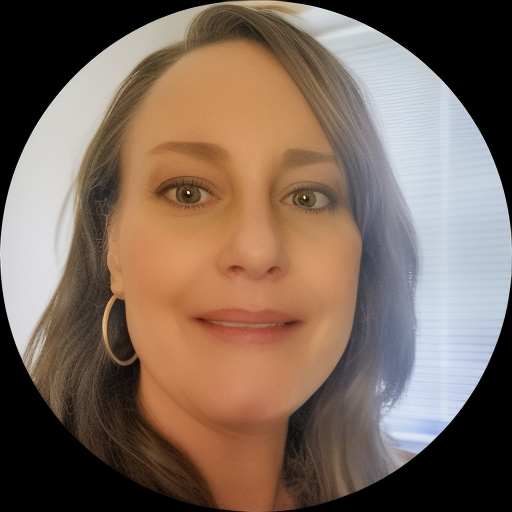
Utah · 5 yrs exp
Works with Stress, Anxiety / Addictions / Trauma and abuse +2
View Profile
Utah · 3 yrs exp
Works with Stress, Anxiety / Relationship / Self esteem +1
View Profile
Utah · 6 yrs exp
Works with Stress, Anxiety / Relationship / Depression +11
Works by Acceptance and Commitment Therapy (ACT) / Client-Centered Therapy
View Profile
Utah · 6 yrs exp
Works with Stress, Anxiety / Trauma and abuse / Grief +2
View Profile
Utah · 4 yrs exp
Works with Stress, Anxiety / Trauma and abuse / Grief +2
View Profile
Utah · 3 yrs exp
Works with Stress, Anxiety / Addictions / Relationship +2
Works by Acceptance and Commitment Therapy (ACT) / Attachment-Based Therapy
View Profile
Utah · 7 yrs exp
Works with Stress, Anxiety / Trauma and abuse / Grief +2
View Profile
Utah · 3 yrs exp
Works with Stress, Anxiety / Trauma and abuse / Grief +2
View Profile
Utah · 10 yrs exp
Works with Stress, Anxiety / Grief / Self esteem +2
View Profile
Utah · 10 yrs exp
Works with Stress, Anxiety / Relationship / Family +2
View Profile
Utah · 15 yrs exp
Works with Stress, Anxiety / Relationship / Self esteem +6
Works by Client-Centered Therapy / Cognitive Behavioral Therapy (CBT)
View Profile
Utah · 12 yrs exp
Works with Stress, Anxiety / Family / Trauma and abuse +13
Works by Attachment-Based Therapy / Client-Centered Therapy
View Profile
Utah · 32 yrs exp
Works with Stress, Anxiety / Self esteem / Bipolar +10
Works by Cognitive Behavioral Therapy (CBT) / Mindfulness Therapy
View Profile
Utah · 9 yrs exp
Works with Stress, Anxiety / Relationship / Parenting +8
Works by Cognitive Behavioral Therapy (CBT) / Dialectical Behavior Therapy (DBT)
View Profile
Utah · 6 yrs exp
Works with Stress, Anxiety / Addictions / Relationship +13
Works by Acceptance and Commitment Therapy (ACT) / Attachment-Based Therapy
View Profile
Utah · 13 yrs exp
Works with Stress, Anxiety / Addictions / LGBT +9
Works by Client-Centered Therapy / Cognitive Behavioral Therapy (CBT)
View Profile
Utah · 10 yrs exp
Works with Stress, Anxiety / Addictions / Trauma and abuse +15
Works by Client-Centered Therapy / Cognitive Behavioral Therapy (CBT)
View Profile
Utah · 35 yrs exp
Works with Relationship / Family / Trauma and abuse +17
Works by Attachment-Based Therapy / Client-Centered Therapy
View Profile
Utah · 8 yrs exp
Works with Stress, Anxiety / LGBT / Trauma and abuse +15
Works by Acceptance and Commitment Therapy (ACT) / Attachment-Based Therapy
View Profile
Utah · 5 yrs exp
Works with Relationship / Family / Self esteem +17
Works by Acceptance and Commitment Therapy (ACT) / Attachment-Based Therapy
View Profile
Utah · 14 yrs exp
Works with Stress, Anxiety / Grief / Depression +15
Works by Existential Therapy / Gottman Method
View Profile
Utah · 20 yrs exp
Works with Stress, Anxiety / Addictions / Relationship +14
Works by Attachment-Based Therapy / Client-Centered Therapy
View Profile
Utah · 9 yrs exp
Works with Stress, Anxiety / Addictions / Trauma and abuse +10
Works by Cognitive Behavioral Therapy (CBT) / Dialectical Behavior Therapy (DBT)
View Profile
Utah · 11 yrs exp
Works with Stress, Anxiety / Relationship / Trauma and abuse +14
Works by Client-Centered Therapy / Cognitive Behavioral Therapy (CBT)
View Profile
Utah · 25 yrs exp
Works with Stress, Anxiety / Family / Trauma and abuse +16
Works by Acceptance and Commitment Therapy (ACT) / Client-Centered Therapy
View ProfileOnline therapy has become an established option for many people across Utah, offering remote sessions that can be delivered by video, phone, or messaging. If you live in an urban neighborhood in Salt Lake City, a rural valley in southern Utah, or a mountain community, you can access licensed therapists who work with clients remotely. In Utah a therapist must hold an appropriate license to provide clinical services to residents of the state, so when you review profiles you will typically see license type and the state where the license was issued. Regulations and professional requirements shape how online clinical services are provided, and most therapists who offer remote sessions will include information about the kinds of sessions they provide and the technologies they use. As you explore options, keep in mind that the format of an online session can range from a scheduled video visit to shorter check-ins by text-based messaging tools, and each approach may fit different goals and preferences.
Choosing online therapy can remove several practical barriers that otherwise make returning to care difficult. You may save travel time when hills, weather, or long commutes make in-person appointments challenging. Remote care can help if you need flexible scheduling around work or school, or if you live in an area where in-person mental health resources are limited. For many people the convenience of meeting from your own home or another comfortable environment makes it easier to keep appointments and incorporate therapy into daily life.
Beyond logistics, online therapy also broadens the range of clinicians you can consider. If you prefer a therapist who speaks a particular language, focuses on a specific life stage, or lists certain clinical approaches among their methods, you can connect with someone who matches those priorities even if they are not located in your immediate neighborhood. Because so many therapists now list their specialties and styles in their profiles, you can learn about methods that are commonly used for anxiety, trauma-related stress, grief, or relationship issues and choose a clinician whose stated approach resonates with your needs.
Online therapists in Utah work with a wide range of concerns. Many people seek therapy for anxiety or persistent worry that interferes with daily life, while others look for help managing depressive symptoms or mood changes. Relationship and family concerns are frequently discussed, whether you are navigating communication challenges, co-parenting transitions, or couples issues. People also come to therapy for stress related to work, school, caregiving, or major life transitions like relocation or loss.
Trauma-related reactions and recovery are also common reasons people pursue remote therapy. Some therapists list modalities such as cognitive-behavioral approaches, mindfulness-informed care, or trauma-focused strategies among their approaches; you will often find profiles that describe how clinicians address trauma symptoms and coping skills. It is common for therapists to work with grief, life-stage concerns, identity and cultural issues, substance use patterns, and behavioral health concerns in collaborative ways that focus on goals you identify together. When reading profiles, pay attention to the population focus a clinician lists - such as adolescents, young adults, parents, or older adults - because that can help you determine whether their experience aligns with your situation.
Verifying a therapist's license is an important step you can take with a few straightforward actions. The Utah Division of Occupational and Professional Licensing maintains a public license lookup where you can search by name or license number to confirm that a clinician is licensed in Utah and to review the license status. That lookup typically shows the license type, expiration date, and whether any disciplinary actions are on record. If you do not find a listing, you can ask the therapist for their license details and then confirm them through the state registry. It is reasonable to expect a license number and the issuing board to be available in a profile or on request.
Credentials listed on a profile offer helpful context about education and professional roles, but they do not always reflect specific hours of supervised experience in a given technique. Many profiles will describe degrees, professional titles, and areas of focus. You may also see language about approaches a clinician uses; for example, some therapists will list EMDR among their approaches or note that they use cognitive-behavioral strategies, acceptance-based methods, or family systems perspectives. When you review an approach that interests you, ask the clinician how they typically apply it and what a typical course of work might look like for someone with your concerns. That conversation can help you interpret what a profile means in practice.
Beginning online therapy in Utah generally starts with exploring profiles to identify therapists who list the client focus areas, approaches, languages, and credentials you prefer. When you reach out for an initial conversation, clinicians often describe their intake process, session format, typical session length, and fee structure. It is helpful to ask about the technology they use for remote visits and what steps you should take to prepare so your session goes smoothly. Make sure you have an internet connection and a device with a camera and microphone if you plan to use video, and pick a time and place where you can speak without interruptions in a comfortable environment.
Therapists will usually explain practice policies such as payment methods, cancellation terms, and how they handle after-hours concerns and emergencies. If you plan to use insurance or a health savings account, ask whether the clinician provides a receipt you can submit for reimbursement and how they describe services for billing purposes. When you begin sessions, expect an initial period of information-sharing during which a therapist asks about your history, current struggles, and goals. That early phase is an opportunity to assess whether the clinician's approach and communication style fit your needs.
Choosing a therapist is a personal decision that balances practical considerations and rapport. Start by identifying what matters most to you - for example, whether you prefer someone who speaks a specific language, has experience working with a particular age group, or lists certain therapeutic approaches among their methods. Read profiles to learn about clinicians' stated focus areas and how they describe their work. When you contact a therapist, use that conversation to get a sense of how they talk about goals, typical session structure, and collaborative planning.
Trust your impression of the therapeutic relationship. Feeling heard, respected, and understood during initial conversations is a strong indicator that you may be able to build a productive working relationship. It is also appropriate to ask practical questions up front - about session length, fees, payment methods, and whether they provide documentation for insurance. Pay attention to any red flags such as guarantees of specific outcomes or promises that feel unrealistic. Over time you and your therapist should be able to set measurable goals and revisit them, adjusting the plan if progress stalls or needs change. Remember that it is acceptable to consult with more than one clinician before choosing the person who feels like the right fit for your needs.
Online therapy in Utah offers accessible options for many different concerns and life circumstances. As you review profiles and reach out to clinicians, prioritize license verification, clear communication about approaches and policies, and an initial sense of rapport. With thoughtful exploration you can find a therapist whose experience and style align with your goals, and who helps you develop practical strategies for the challenges you want to address.
Addictions
11839 therapists
ADHD
10443 therapists
Anger
14631 therapists
Bipolar
9355 therapists
Chronic Illness
5674 therapists
Chronic Pain
5674 therapists
Compulsion
6063 therapists
Control Issues
11155 therapists
Depression
24190 therapists
Disaster Relief Therapy
5014 therapists
Dissociation
3822 therapists
Domestic Violence
6966 therapists
Eating Disorders
5242 therapists
Gambling
4008 therapists
Grief
17563 therapists
Guilt and Shame
17367 therapists
Impulsivity
8793 therapists
Intimacy Issues
10526 therapists
Isolation / Loneliness
16368 therapists
Midlife Crisis
9763 therapists
Mood Disorders
12392 therapists
Obsession
6063 therapists
OCD
6063 therapists
Panic Disorder and Panic Attacks
11732 therapists
Phobias
4355 therapists
Post-Traumatic Stress
14015 therapists
Postpartum Depression
6052 therapists
Seasonal Affective Disorder (SAD)
7463 therapists
Self Esteem
23066 therapists
Self-Harm
7034 therapists
Sexual Trauma
6438 therapists
Sleeping Disorders
5946 therapists
Social Anxiety and Phobia
15480 therapists
Stress & Anxiety
28002 therapists
Trauma and Abuse
19440 therapists
Abandonment
10753 therapists
Adoption
4405 therapists
Aging and Geriatric Issues
6330 therapists
Attachment Issues
12108 therapists
Blended Family Issues
7850 therapists
Body Image
8310 therapists
Career
12759 therapists
Caregiver Issues and Stress
11732 therapists
Codependency
9528 therapists
Commitment Issues
7776 therapists
Communication Problems
18982 therapists
Compassion Fatigue
10863 therapists
Coping with Life Changes
20902 therapists
Divorce
12329 therapists
Family
16932 therapists
Family of Origin Issues
7647 therapists
Fatherhood Issues
4847 therapists
Fertility Issues
2934 therapists
First Responder Issues
4671 therapists
Forgiveness
15390 therapists
Foster Care
4405 therapists
Hospice and End-of-Life Counseling
4585 therapists
Infidelity
7390 therapists
Jealousy
7189 therapists
Life Purpose
17613 therapists
Money and Financial Issues
6329 therapists
Parenting
13770 therapists
Pregnancy
5306 therapists
Relationship
20645 therapists
Self-Love
18071 therapists
Separation
12329 therapists
Sexuality
6125 therapists
Workplace Issues
12404 therapists