
Ruth Vanden Bosch, LPC
Michigan · 25 yrs exp
Works with Stress, Anxiety / LGBT / Relationship +11
Works by Attachment-Based Therapy / Cognitive Behavioral Therapy (CBT)
View ProfileThis page lists therapists who work with adoption-related concerns, including identity, loss, attachment, and parenting. Browse the listings below to review practitioners' approaches, credentials, languages, and experience.
Michigan · 25 yrs exp
Works with Stress, Anxiety / LGBT / Relationship +11
Works by Attachment-Based Therapy / Cognitive Behavioral Therapy (CBT)
View Profile
Colorado · 19 yrs exp · 2 languages
Works with Stress, Anxiety / Relationship / Trauma and abuse +13
Works by Acceptance and Commitment Therapy (ACT) / Attachment-Based Therapy
View Profile
Texas · 13 yrs exp
Works with Stress, Anxiety / Relationship / Trauma and abuse +12
Works by Attachment-Based Therapy / Client-Centered Therapy
View Profile
Florida · 20 yrs exp · 2 languages
Works with Stress, Anxiety / Addictions / Relationship +17
Works by Acceptance and Commitment Therapy (ACT) / Attachment-Based Therapy
View Profile
Maine · 12 yrs exp
Works with Stress, Anxiety / Self esteem / Depression +17
Works by Client-Centered Therapy / Cognitive Behavioral Therapy (CBT)
View Profile
Mississippi · 16 yrs exp
Works with Stress, Anxiety / Relationship / Family +7
Works by Cognitive Behavioral Therapy (CBT) / Gottman Method
View Profile
Kentucky · 18 yrs exp
Works with LGBT / Relationship / Family +15
Works by Attachment-Based Therapy / Client-Centered Therapy
View Profile
Louisiana · 7 yrs exp
Works with Stress, Anxiety / Family / Trauma and abuse +16
Works by Acceptance and Commitment Therapy (ACT) / Attachment-Based Therapy
View Profile
North Carolina · 10 yrs exp
Works with Stress, Anxiety / Relationship / Family +17
Works by Acceptance and Commitment Therapy (ACT) / Client-Centered Therapy
View Profile
New York · 11 yrs exp
Works with Stress, Anxiety / Grief / Self esteem +9
Works by Acceptance and Commitment Therapy (ACT) / Attachment-Based Therapy
View Profile
New York · 35 yrs exp
Works with Stress, Anxiety / Self esteem / Career +11
Works by Client-Centered Therapy / Mindfulness Therapy
View Profile
Texas · 10 yrs exp
Works with Stress, Anxiety / Relationship / Family +15
Works by Acceptance and Commitment Therapy (ACT) / Attachment-Based Therapy
View Profile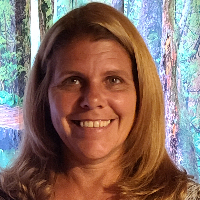
South Carolina · 10 yrs exp
Works with Stress, Anxiety / Relationship / Family +2
Works by Client-Centered Therapy / Cognitive Behavioral Therapy (CBT)
View Profile
Colorado · 11 yrs exp
Works with Stress, Anxiety / LGBT / Trauma and abuse +16
Works by Acceptance and Commitment Therapy (ACT) / Client-Centered Therapy
View Profile
Michigan · 21 yrs exp
Works with Stress, Anxiety / Relationship / Family +15
Works by Acceptance and Commitment Therapy (ACT) / Attachment-Based Therapy
View Profile
Texas · 21 yrs exp
Works with Stress, Anxiety / Relationship / Trauma and abuse +16
Works by Acceptance and Commitment Therapy (ACT) / Client-Centered Therapy
View Profile
Texas · 22 yrs exp
Works with Stress, Anxiety / Relationship / Trauma and abuse +17
Works by Acceptance and Commitment Therapy (ACT) / Attachment-Based Therapy
View Profile
Illinois · 12 yrs exp
Works with Stress, Anxiety / Trauma and abuse / Parenting +13
Works by Client-Centered Therapy / Cognitive Behavioral Therapy (CBT)
View Profile
Texas · 25 yrs exp
Works with Stress, Anxiety / Family / Intimacy-related issues +16
Works by Attachment-Based Therapy / Client-Centered Therapy
View Profile
Florida · 30 yrs exp
Works with Stress, Anxiety / Grief / Anger +16
Works by Cognitive Behavioral Therapy (CBT) / Solution-Focused Therapy
View Profile
Louisiana · 14 yrs exp
Works with Stress, Anxiety / Anger / Self esteem +10
View Profile
Indiana · 8 yrs exp
Works with Stress, Anxiety / Addictions / Family +16
Works by Acceptance and Commitment Therapy (ACT) / Attachment-Based Therapy
View Profile
Florida · 20 yrs exp
Works with Addictions / Relationship / Trauma and abuse +15
Works by Acceptance and Commitment Therapy (ACT) / Attachment-Based Therapy
View Profile
North Carolina · 30 yrs exp
Works with LGBT / Relationship / Family +14
Works by Acceptance and Commitment Therapy (ACT) / Attachment-Based Therapy
View Profile
North Carolina · 30 yrs exp
Works with Stress, Anxiety / Relationship / Family +11
Works by Client-Centered Therapy / Cognitive Behavioral Therapy (CBT)
View Profile
Florida · 14 yrs exp
Works with Stress, Anxiety / Trauma and abuse / Grief +14
Works by Cognitive Behavioral Therapy (CBT) / Dialectical Behavior Therapy (DBT)
View Profile
Texas · 20 yrs exp
Works with Stress, Anxiety / Addictions / Family +16
Works by Client-Centered Therapy / Cognitive Behavioral Therapy (CBT)
View Profile
North Carolina · 10 yrs exp
Works with Stress, Anxiety / LGBT / Relationship +14
Works by Existential Therapy / Mindfulness Therapy
View Profile
Nebraska · 10 yrs exp
Works with Stress, Anxiety / Trauma and abuse / Self esteem +11
Works by Attachment-Based Therapy / Client-Centered Therapy
View Profile
Louisiana · 16 yrs exp
Works with Stress, Anxiety / Relationship / Career +15
Works by Client-Centered Therapy / Cognitive Behavioral Therapy (CBT)
View Profile
Illinois · 12 yrs exp
Works with Trauma and abuse / Self esteem / Coping with life changes +9
Works by Acceptance and Commitment Therapy (ACT) / Attachment-Based Therapy
View Profile
Delaware · 28 yrs exp · 2 languages
Works with Stress, Anxiety / Family / Self esteem +12
Works by Acceptance and Commitment Therapy (ACT) / Client-Centered Therapy
View Profile
Ohio · 17 yrs exp
Works with Stress, Anxiety / Family / Parenting +13
Works by Attachment-Based Therapy / Client-Centered Therapy
View Profile
Louisiana · 28 yrs exp
Works with Stress, Anxiety / Relationship / Grief +16
Works by Acceptance and Commitment Therapy (ACT) / Attachment-Based Therapy
View Profile
Florida · 16 yrs exp
Works with Stress, Anxiety / Trauma and abuse / Self esteem +7
Works by Attachment-Based Therapy / Client-Centered Therapy
View Profile
Florida · 13 yrs exp
Works with Stress, Anxiety / Self esteem / Depression +8
Works by Acceptance and Commitment Therapy (ACT) / Client-Centered Therapy
View Profile
North Carolina · 19 yrs exp
Works with Stress, Anxiety / Depression / Relationship +10
Works by Client-Centered Therapy / Emotionally-Focused Therapy (EFT)
View Profile
California · 20 yrs exp
Works with Stress, Anxiety / Relationship / Family +16
Works by Cognitive Behavioral Therapy (CBT) / Motivational Interviewing
View Profile
Mississippi · 36 yrs exp
Works with Family / Parenting / Anger +12
Works by Acceptance and Commitment Therapy (ACT) / Attachment-Based Therapy
View Profile
Florida · 28 yrs exp · 3 languages
Works with Stress, Anxiety / Addictions / Trauma and abuse +14
Works by Acceptance and Commitment Therapy (ACT) / Attachment-Based Therapy
View Profile
Illinois · 25 yrs exp
Works with Stress, Anxiety / Grief / Parenting +2
Works by Client-Centered Therapy / Emotionally-Focused Therapy (EFT)
View Profile
Missouri · 17 yrs exp
Works with Stress, Anxiety / Addictions / Relationship +10
Works by Attachment-Based Therapy / Client-Centered Therapy
View Profile
California · 7 yrs exp
Works with Stress, Anxiety / LGBT / Trauma and abuse +2
View Profile
Texas · 11 yrs exp · 2 languages
Works with Stress, Anxiety / Anger / Self esteem +9
Works by Acceptance and Commitment Therapy (ACT) / Client-Centered Therapy
View Profile
Texas · 6 yrs exp
Works with Addictions / Trauma and abuse / Parenting +7
Works by Acceptance and Commitment Therapy (ACT) / Client-Centered Therapy
View Profile
New York · 25 yrs exp · 2 languages
Works with Stress, Anxiety / Grief / Anger +7
Works by Client-Centered Therapy / Cognitive Behavioral Therapy (CBT)
View Profile
North Carolina · 13 yrs exp
Works with Stress, Anxiety / Addictions / Intimacy-related issues +11
Works by Acceptance and Commitment Therapy (ACT) / Client-Centered Therapy
View Profile
Massachusetts · 18 yrs exp
Works with Stress, Anxiety / Relationship / Family +13
Works by Client-Centered Therapy / Cognitive Behavioral Therapy (CBT)
View ProfileAdoption is not a single experience. It can be a joyful route to forming a family, a solution to complex circumstances, or a process that brings layers of loss and transition for everyone involved. You might be an adoptee exploring questions about origins and identity, a birth parent processing grief and separation, or an adoptive parent navigating attachment, boundaries, and the practical realities of parenting someone with an early life history that differs from your own. Adoptions vary - they may be open or closed, international or domestic, infant or older-child placements - and each context shapes emotional responses in distinct ways.
The emotional effects of adoption often show up as questions about belonging, recurring grief for what was lost, anxiety about relationships, or challenges with trust and developmental milestones. For some people, adoption-related feelings emerge at predictable transition points such as adolescence, becoming a parent yourself, or encountering family of origin information. For others, a seemingly unrelated stressor can unearth adoption themes that were not prominent before. Understanding adoption as a lifelong context rather than a one-time event helps you and a clinician explore patterns that influence mood, behavior, relationships, and self-concept over time.
You might wonder whether your feelings are "normal" or whether they suggest a need for therapeutic support. If you find that questions about identity, loss, or connection are causing persistent distress, interfering with relationships, or making daily life harder, therapy can be a helpful place to explore those experiences. Children and teens sometimes show adoption-related stress through behavior changes, school difficulties, or intense reactions to separation and transitions. Adults may notice recurring grief, anger, or a sense of incompleteness when faced with milestones that prompt reflection on origins.
Relationships within adoptive families can also reveal areas where therapy may help. You may be navigating attachment challenges with a child who has difficulty trusting, or you may struggle with unspoken expectations between partners about parenting and openness with birth family. Birth parents may be coping with complicated grief, shame, or social judgment. If curiosity about genetic history or reunification raises strong emotions, or if you encounter legal, medical, or cultural details that spark confusion, you may benefit from working with a therapist who has experience addressing adoption themes. Therapy offers a space to process these issues without judgment and to develop practical strategies for managing feelings and relationships.
Therapy that focuses on adoption typically begins with creating a foundation of safety and trust so you can explore sensitive material. Early sessions often involve a careful history that honors your perspective on adoption - how you came to be where you are now, what was known or unknown about your origins, and what feelings and questions brought you to therapy. For children, therapists commonly gather developmental and family information while using age-appropriate ways to build rapport. For adults, the process may include mapping generational patterns, attachment histories, and the impact of cultural or racial dynamics related to adoption.
Goals are individualized. You and the therapist might work to process grief and loss, strengthen attachment and parenting strategies, build a coherent personal narrative, or develop coping skills for triggers that arise during reunification or search processes. Family sessions can help improve communication around adoption topics and clarify roles, expectations, and boundaries. You should expect pacing that respects emotional readiness - some topics may be surfaced slowly, and practical tools often accompany deeper exploration so you can function well while engaging in sometimes challenging emotional work.
There is no single model for adoption work. Therapists bring different orientations and a range of techniques to help people process adoption-related themes. Narrative approaches can support you in making sense of your life story and integrating disparate experiences into a cohesive identity. Attachment-based work focuses on relationships and patterns of connection between children and caregivers, offering strategies to improve emotional safety and responsiveness. Cognitive-behavioral ideas are frequently used to address anxious or negative thinking tied to adoption-related stress and to develop practical coping skills.
Trauma-informed perspectives are often part of adoption work because early caregiving disruptions or challenging pre-adoption events may contribute to emotional and behavioral responses later on. You may encounter therapists who list EMDR among their approaches; some clinicians use it as one method for processing distressing memories, while others may rely on relational or developmental interventions. Play-based methods help younger children express feelings they cannot yet verbalize, and family systems ideas help you look at adoption as a dynamic that affects the whole household. When reviewing profiles, pay attention to how therapists describe their approaches and experience, and seek clinicians who discuss adoption in language that resonates with your circumstances.
Online therapy offers practical options for connecting with clinicians who understand adoption, especially if local resources are limited. Sessions typically take place through video call, phone, or messaging formats, and they allow for more flexibility about where you meet your therapist. Choose a quiet, private space for sessions where you feel comfortable speaking openly. Technology can be a helpful bridge to specialists who list adoption as a focus area, and therapists often describe how they adapt interventions for remote formats, whether that means using worksheets, guided exercises, or creative tools that translate well to a screen.
When selecting a therapist for adoption work, consider a few key elements. Look for clinicians who explicitly mention adoption-related concerns in their profiles and who describe the populations they work with - adoptees, adoptive parents, birth parents, transracial adoption experiences, or international placements. Notice the therapeutic approaches they list and whether those methods align with what you think will help you. Language and cultural competence matter; if race, ethnicity, or cultural history are central to your adoption story, find a clinician who references that experience. Also pay attention to practical factors like session length, fee structure, and whether the therapist offers family or child-centered services if those are relevant. The first few conversations with a potential therapist can help you assess whether their style, language, and process feel like a good match for your goals. Trust your sense of fit - a thoughtful match can make it easier to navigate the complex emotions and relationships that adoption brings.
Alabama
356 therapists
Alaska
38 therapists
Arizona
324 therapists
Arkansas
179 therapists
Australia
619 therapists
California
2459 therapists
Colorado
531 therapists
Connecticut
217 therapists
Delaware
69 therapists
District of Columbia
65 therapists
Florida
2398 therapists
Georgia
872 therapists
Hawaii
90 therapists
Idaho
142 therapists
Illinois
794 therapists
Indiana
411 therapists
Iowa
112 therapists
Kansas
171 therapists
Kentucky
299 therapists
Louisiana
463 therapists
Maine
103 therapists
Maryland
421 therapists
Massachusetts
324 therapists
Michigan
792 therapists
Minnesota
304 therapists
Mississippi
240 therapists
Missouri
569 therapists
Montana
137 therapists
Nebraska
123 therapists
Nevada
134 therapists
New Hampshire
63 therapists
New Jersey
555 therapists
New Mexico
128 therapists
New York
1295 therapists
North Carolina
955 therapists
North Dakota
26 therapists
Ohio
576 therapists
Oklahoma
372 therapists
Oregon
177 therapists
Pennsylvania
807 therapists
Rhode Island
48 therapists
South Carolina
437 therapists
South Dakota
44 therapists
Tennessee
382 therapists
Texas
2519 therapists
United Kingdom
4241 therapists
Utah
224 therapists
Vermont
46 therapists
Virginia
516 therapists
Washington
326 therapists
West Virginia
75 therapists
Wisconsin
382 therapists
Wyoming
69 therapists