
Fantanesh Dixon, LCSW
Nevada · 6 yrs exp
Works with Stress, Anxiety / Depression
Works by Cognitive Behavioral Therapy (CBT) / Mindfulness Therapy
View ProfileWelcome to our Nevada directory for online therapy. All therapists listed here hold licenses to practice in Nevada so you can review profiles with confidence.
Explore listings to compare approaches, credentials, languages, and experience to find a therapist who fits your needs.
Nevada · 6 yrs exp
Works with Stress, Anxiety / Depression
Works by Cognitive Behavioral Therapy (CBT) / Mindfulness Therapy
View Profile
Nevada · 25 yrs exp
Works with Stress, Anxiety / Relationship / Family +2
Works by Attachment-Based Therapy / Client-Centered Therapy
View Profile
Nevada · 10 yrs exp
Works with Stress, Anxiety / Trauma and abuse / Parenting +16
Works by Attachment-Based Therapy / Client-Centered Therapy
View Profile
Nevada · 20 yrs exp
Works with Stress, Anxiety / Self esteem / Depression +9
Works by Attachment-Based Therapy / Client-Centered Therapy
View Profile
Nevada · 15 yrs exp
Works with Stress, Anxiety / Relationship / Family +13
Works by Attachment-Based Therapy / Client-Centered Therapy
View Profile
Nevada · 18 yrs exp · 2 languages
Works with Stress, Anxiety / Self esteem / Career +13
Works by Acceptance and Commitment Therapy (ACT) / Attachment-Based Therapy
View Profile
Nevada · 5 yrs exp
Works with Stress, Anxiety / Family / Grief +2
Works by Acceptance and Commitment Therapy (ACT) / Attachment-Based Therapy
View Profile
Nevada · 17 yrs exp
Works with Stress, Anxiety / Addictions / Relationship +12
Works by Acceptance and Commitment Therapy (ACT) / Attachment-Based Therapy
View Profile
Nevada · 12 yrs exp
Works with Stress, Anxiety / LGBT / Trauma and abuse +15
Works by Client-Centered Therapy / Cognitive Behavioral Therapy (CBT)
View Profile
Nevada · 32 yrs exp
Works with Stress, Anxiety / Relationship / Family +13
Works by Client-Centered Therapy / Cognitive Behavioral Therapy (CBT)
View Profile
Nevada · 9 yrs exp
Works with Stress, Anxiety / Addictions / Relationship +9
Works by Client-Centered Therapy / Cognitive Behavioral Therapy (CBT)
View Profile
Nevada · 8 yrs exp
Works with Stress, Anxiety / Addictions / Relationship +16
Works by Acceptance and Commitment Therapy (ACT) / Attachment-Based Therapy
View Profile
Nevada · 10 yrs exp
Works with Stress, Anxiety / Relationship / Depression +3
View Profile
Nevada · 25 yrs exp
Works with Stress, Anxiety / Addictions / Relationship +11
Works by Acceptance and Commitment Therapy (ACT) / Attachment-Based Therapy
View Profile
Nevada · 15 yrs exp
Works with Stress, Anxiety / Relationship / Trauma and abuse +2
Works by Attachment-Based Therapy / Client-Centered Therapy
View Profile
Nevada · 15 yrs exp
Works with Stress, Anxiety / Addictions / Anger +7
View Profile
Nevada · 35 yrs exp
Works with Stress, Anxiety / LGBT / Trauma and abuse
Works by Client-Centered Therapy / Cognitive Behavioral Therapy (CBT)
View Profile
Nevada · 12 yrs exp
Works with Stress, Anxiety / LGBT / Trauma and abuse +2
Works by Client-Centered Therapy / Cognitive Behavioral Therapy (CBT)
View Profile
Nevada · 3 yrs exp
Works with Stress, Anxiety / Addictions / Anger +2
View Profile
Nevada · 3 yrs exp
Works with Stress, Anxiety / Grief / Self esteem +2
View Profile
Nevada · 4 yrs exp
Works with Stress, Anxiety / LGBT / Trauma and abuse +2
View Profile
Nevada · 6 yrs exp
Works with Stress, Anxiety / Trauma and abuse / Self esteem +2
View Profile
Nevada · 38 yrs exp
Works with Stress, Anxiety / Relationship / Family +9
Works by Attachment-Based Therapy / Client-Centered Therapy
View Profile
Nevada · 30 yrs exp
Works with Stress, Anxiety / Grief / Self esteem +15
Works by Client-Centered Therapy / Cognitive Behavioral Therapy (CBT)
View Profile
Nevada · 10 yrs exp
Works with Stress, Anxiety / Relationship / Self esteem +8
Works by Client-Centered Therapy / Cognitive Behavioral Therapy (CBT)
View Profile
Nevada · 3 yrs exp · 2 languages
Works with Stress, Anxiety / Relationship / Family +12
Works by Acceptance and Commitment Therapy (ACT) / Client-Centered Therapy
View Profile
Nevada · 20 yrs exp
Works with Stress, Anxiety / Family / Trauma and abuse +12
Works by Attachment-Based Therapy / Cognitive Behavioral Therapy (CBT)
View Profile
Nevada · 10 yrs exp
Works with Stress, Anxiety / Grief / Self esteem +8
View Profile
Nevada · 12 yrs exp
Works with Relationship / Family / Self esteem +8
Works by Client-Centered Therapy / Cognitive Behavioral Therapy (CBT)
View Profile
Nevada · 34 yrs exp
Works with Stress, Anxiety / Addictions / Relationship +8
Works by Client-Centered Therapy / Cognitive Behavioral Therapy (CBT)
View Profile
Nevada · 3 yrs exp
Works with Stress, Anxiety / Grief / Self esteem +14
Works by Cognitive Behavioral Therapy (CBT) / Mindfulness Therapy
View Profile
Nevada · 9 yrs exp
Works with Stress, Anxiety / Self esteem / Depression +14
Works by Client-Centered Therapy / Cognitive Behavioral Therapy (CBT)
View Profile
Nevada · 20 yrs exp
Works with Stress, Anxiety / Addictions / Relationship +16
Works by Client-Centered Therapy / Cognitive Behavioral Therapy (CBT)
View Profile
Nevada · 3 yrs exp
Works with Stress, Anxiety / Relationship / Family +13
Works by Cognitive Behavioral Therapy (CBT) / Solution-Focused Therapy
View Profile
Nevada · 13 yrs exp
Works with Addictions / LGBT / Trauma and abuse +13
Works by Client-Centered Therapy / Cognitive Behavioral Therapy (CBT)
View Profile
Nevada · 12 yrs exp · 2 languages
Works with Stress, Anxiety / Relationship / Anger +2
Works by Cognitive Behavioral Therapy (CBT) / Hypnotherapy
View Profile
Nevada · 25 yrs exp
Works with Stress, Anxiety / Relationship / Family +9
Works by Attachment-Based Therapy / Client-Centered Therapy
View Profile
Nevada · 15 yrs exp
Works with Stress, Anxiety / Addictions / Grief +2
View Profile
Nevada · 3 yrs exp
Works with Stress, Anxiety / Addictions / Depression +11
Works by Attachment-Based Therapy / Client-Centered Therapy
View Profile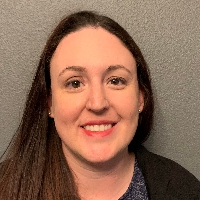
Nevada · 10 yrs exp
Works with Grief / Stress, Anxiety / Relationship +10
Works by Acceptance and Commitment Therapy (ACT) / Client-Centered Therapy
View Profile
Nevada · 11 yrs exp
Works with Parenting / Self esteem / Coping with life changes +14
Works by Acceptance and Commitment Therapy (ACT) / Attachment-Based Therapy
View Profile
Nevada · 13 yrs exp
Works with Stress, Anxiety / Addictions / Trauma and abuse +11
Works by Acceptance and Commitment Therapy (ACT) / Attachment-Based Therapy
View Profile
Nevada · 30 yrs exp
Works with Stress, Anxiety / Relationship / Self esteem +10
Works by Psychodynamic Therapy
View Profile
Nevada · 12 yrs exp
Works with Stress, Anxiety / Relationship / Trauma and abuse +12
Works by Client-Centered Therapy / Cognitive Behavioral Therapy (CBT)
View Profile
Nevada · 19 yrs exp
Works with Stress, Anxiety / Addictions / Trauma and abuse +14
Works by Client-Centered Therapy / Cognitive Behavioral Therapy (CBT)
View Profile
Nevada · 10 yrs exp
Works with Addictions / Relationship / Family +13
Works by Client-Centered Therapy / Cognitive Behavioral Therapy (CBT)
View Profile
Nevada · 12 yrs exp
Works with Stress, Anxiety / Relationship / Family +7
View Profile
Nevada · 10 yrs exp
Works with Stress, Anxiety / Family / Parenting +7
Works by Client-Centered Therapy / Cognitive Behavioral Therapy (CBT)
View ProfileOnline therapy has become a widely used option for people across Nevada, bringing licensed mental health professionals into homes, workplaces, and community settings from Reno to Las Vegas and the rural stretches in between. The therapists featured on this site are licensed to practice in Nevada and offer sessions through video, phone, or messaging platforms. Because laws and professional guidelines influence how therapy is delivered, therapists who work with Nevada residents typically indicate the types of online services they offer and the settings in which they practice. You can use those profile details to understand the common formats therapists use and the populations they serve.
When you look at profiles, you will see a range of credentials such as licensed clinical social workers, licensed professional counselors, marriage and family therapists, and psychologists. Each credential corresponds to a state licensing category with its own scope of practice and standards. Profiles also describe the approaches therapists list among their methods, the languages they speak, and the kinds of issues they commonly address. That information helps you narrow your search to someone whose background and approach resonate with you.
Choosing online therapy can offer practical advantages that matter in everyday life. If you have a busy schedule, limited transportation options, or live in a community with fewer in-person options, virtual sessions allow you to meet with a therapist without traveling. This can make ongoing care easier to integrate into work, school, or family routines. Online therapy also expands access to therapists who may specialize in particular areas or who speak the same language and cultural background as you, even if they are not located in your immediate neighborhood.
Beyond convenience, many people find that the virtual format supports continuity of care when life circumstances change. You may appreciate the ability to schedule sessions near work breaks, during evenings, or from a familiar environment. When using online therapy, it is important to choose a setting in which you can speak openly, such as a private space where interruptions are unlikely. Consider device requirements, connection stability, and the communication style you prefer - video for face-to-face interaction, or phone and messaging for a different rhythm. These aspects shape how therapy fits into your daily life.
Online therapists in Nevada work with a wide range of concerns that people commonly bring to therapy. Many profiles highlight experience with anxiety, mood concerns such as depression, stress related to work or family, and relationship challenges. Therapists also frequently list experience with life transitions, grief, and coping with chronic health concerns. Some therapists indicate that they work with more specific problems such as trauma-related symptoms, obsessive patterns, or behavioral concerns in adolescents and adults. Where a profile mentions an approach or special focus, that signals the clinician’s typical areas of work rather than a guarantee of specific outcomes.
Therapists often list the therapeutic methods they use to guide sessions, for example cognitive-behavioral techniques, mindfulness-informed work, psychodynamic perspectives, or somatic approaches. To stay consistent with how professionals present themselves, profiles indicate approaches that therapists list among their methods without implying formal certification in any single modality. If you have a particular concern, look for therapists who note experience addressing similar issues and whose approach and background feel compatible with your preferences and values.
Verifying a therapist’s license is an important step in confirming that a clinician is authorized to practice in Nevada. Most state licensing boards provide an online lookup where you can search by the therapist’s name or license number to confirm active status, license type, and any public disciplinary actions. When you review a profile, note the license title displayed and use that information to cross-check with the relevant Nevada licensing board records. License records typically show the issue and expiration dates for the credential and may list any public orders or sanctions that have been issued.
Keep in mind that licensing categories differ by profession. Psychologists, social workers, marriage and family therapists, and professional counselors have distinct boards and license designations. A profile will usually list the license type; use that detail when searching the state database. If you have questions about how to interpret a record or what a particular designation means for the scope of services offered, you can contact the licensing board directly for guidance. That can provide clarity about supervision requirements, permitted services, and the legal authority to practice in Nevada.
Starting online therapy begins with a clear sense of what you hope to work on and the practical preferences that will make sessions workable for you. Begin by reading therapist profiles to identify clinicians who list relevant experience, approaches you find helpful, and languages or cultural competencies that matter to you. When you find several profiles that look like a potential fit, note how each therapist describes intake procedures, session formats, and communication methods. Many profiles explain whether initial contact is by email, phone, or an online form and outline what information you can expect to provide for an intake.
Before scheduling a first appointment, prepare a brief list of the concerns you want to address and any logistical questions you have such as session length, fees, insurance or payment options, and the technology platform used for virtual meetings. If you rely on health insurance, check whether the therapist’s listed credential and billing practices align with your plan. During an initial session, you can expect to talk about your goals for therapy, your history related to the presenting concerns, and what a helpful therapy relationship would look like for you. Use that early conversation to assess whether the therapist’s approach and style match your preferences.
Think about the style of therapy that tends to help you feel heard and engaged. Some people prefer structured approaches that focus on skills and symptom relief, while others benefit from exploratory work that looks at patterns over time. On profile pages, note the approaches therapists list and the issues they highlight. If a therapist lists a method you have heard about, consider contacting them to ask how they usually apply that approach in sessions. Remember that a therapy profile is a starting point for conversation rather than a fixed promise of a specific treatment.
Look at the license type and years of practice noted in profiles to understand a clinician’s background. Experience working with a particular population or issue can be helpful, whether you are seeking support for parenting challenges, adolescent concerns, or adult relationships. Language and cultural match can also be important. If cultural understanding matters to you, prioritize profiles that note relevant language fluency or experience working with communities like yours.
Practical factors shape whether therapy is sustainable for you. Consider session length, typical scheduling times described in profiles, and technological preferences. Think about the relational qualities you respond to - do you prefer a warm, collaborative tone or a more direct, goal-focused approach? The first few sessions are an opportunity to assess rapport. It is normal for the therapeutic relationship to evolve, but you should feel that the therapist listens and responds in a way that supports your goals.
Choosing a therapist is a personal process and can take time. Use profile details on this site to form questions for an initial conversation and focus on finding a licensed professional who lists the experience and approaches that matter to you. With a clear sense of what you want from therapy and practical steps for verifying licensure and communicating your needs, you can make informed decisions about how to begin and maintain online therapy in Nevada.
Addictions
11839 therapists
ADHD
10443 therapists
Anger
14631 therapists
Bipolar
9355 therapists
Chronic Illness
5674 therapists
Chronic Pain
5674 therapists
Compulsion
6063 therapists
Control Issues
11155 therapists
Depression
24190 therapists
Disaster Relief Therapy
5014 therapists
Dissociation
3822 therapists
Domestic Violence
6966 therapists
Eating Disorders
5242 therapists
Gambling
4008 therapists
Grief
17563 therapists
Guilt and Shame
17367 therapists
Impulsivity
8793 therapists
Intimacy Issues
10526 therapists
Isolation / Loneliness
16368 therapists
Midlife Crisis
9763 therapists
Mood Disorders
12392 therapists
Obsession
6063 therapists
OCD
6063 therapists
Panic Disorder and Panic Attacks
11732 therapists
Phobias
4355 therapists
Post-Traumatic Stress
14015 therapists
Postpartum Depression
6052 therapists
Seasonal Affective Disorder (SAD)
7463 therapists
Self Esteem
23066 therapists
Self-Harm
7034 therapists
Sexual Trauma
6438 therapists
Sleeping Disorders
5946 therapists
Social Anxiety and Phobia
15480 therapists
Stress & Anxiety
28002 therapists
Trauma and Abuse
19440 therapists
Abandonment
10753 therapists
Adoption
4405 therapists
Aging and Geriatric Issues
6330 therapists
Attachment Issues
12108 therapists
Blended Family Issues
7850 therapists
Body Image
8310 therapists
Career
12759 therapists
Caregiver Issues and Stress
11732 therapists
Codependency
9528 therapists
Commitment Issues
7776 therapists
Communication Problems
18982 therapists
Compassion Fatigue
10863 therapists
Coping with Life Changes
20902 therapists
Divorce
12329 therapists
Family
16932 therapists
Family of Origin Issues
7647 therapists
Fatherhood Issues
4847 therapists
Fertility Issues
2934 therapists
First Responder Issues
4671 therapists
Forgiveness
15390 therapists
Foster Care
4405 therapists
Hospice and End-of-Life Counseling
4585 therapists
Infidelity
7390 therapists
Jealousy
7189 therapists
Life Purpose
17613 therapists
Money and Financial Issues
6329 therapists
Parenting
13770 therapists
Pregnancy
5306 therapists
Relationship
20645 therapists
Self-Love
18071 therapists
Separation
12329 therapists
Sexuality
6125 therapists
Workplace Issues
12404 therapists