
Anne Douglas, LMFT
North Carolina · 25 yrs exp
Works with Stress, Anxiety / Relationship / Family +16
Works by Attachment-Based Therapy / Client-Centered Therapy
View ProfileOn this page you will find therapists who list LGBT practice areas and approaches related to sexual orientation, gender identity and queer relationships. Browse the profiles below to learn about approaches, languages spoken, and areas of focus to help you make an informed choice.
North Carolina · 25 yrs exp
Works with Stress, Anxiety / Relationship / Family +16
Works by Attachment-Based Therapy / Client-Centered Therapy
View Profile
Texas · 30 yrs exp
Works with Stress, Anxiety / Addictions / Anger +14
Works by Cognitive Behavioral Therapy (CBT) / Mindfulness Therapy
View Profile
Texas · 20 yrs exp
Works with Stress, Anxiety / LGBT / Relationship +17
Works by Acceptance and Commitment Therapy (ACT) / Cognitive Behavioral Therapy (CBT)
View Profile
Georgia · 20 yrs exp
Works with Stress, Anxiety / Addictions / Relationship +13
Works by Client-Centered Therapy / Cognitive Behavioral Therapy (CBT)
View Profile
Michigan · 25 yrs exp
Works with Stress, Anxiety / LGBT / Relationship +11
Works by Attachment-Based Therapy / Cognitive Behavioral Therapy (CBT)
View Profile
Colorado · 19 yrs exp · 2 languages
Works with Stress, Anxiety / Relationship / Trauma and abuse +13
Works by Acceptance and Commitment Therapy (ACT) / Attachment-Based Therapy
View Profile
California · 14 yrs exp
Works with Stress, Anxiety / Relationship / Family +10
Works by Attachment-Based Therapy / Client-Centered Therapy
View Profile
North Carolina · 21 yrs exp
Works with Stress, Anxiety / Grief / Eating +13
Works by Acceptance and Commitment Therapy (ACT) / Client-Centered Therapy
View Profile
Florida · 20 yrs exp · 2 languages
Works with Stress, Anxiety / Addictions / Relationship +17
Works by Acceptance and Commitment Therapy (ACT) / Attachment-Based Therapy
View Profile
Missouri · 23 yrs exp
Works with Stress, Anxiety / Addictions / Trauma and abuse +11
Works by Client-Centered Therapy / Cognitive Behavioral Therapy (CBT)
View Profile
Oregon · 17 yrs exp
Works with Stress, Anxiety / Anger / Self esteem +13
Works by Client-Centered Therapy / Cognitive Behavioral Therapy (CBT)
View Profile
Georgia · 10 yrs exp
Works with Stress, Anxiety / Grief / Self esteem +11
Works by Client-Centered Therapy / Cognitive Behavioral Therapy (CBT)
View Profile
New Jersey · 15 yrs exp
Works with Stress, Anxiety / Family / Trauma and abuse +11
Works by Cognitive Behavioral Therapy (CBT) / Psychodynamic Therapy
View Profile
Maine · 12 yrs exp
Works with Stress, Anxiety / Self esteem / Depression +17
Works by Client-Centered Therapy / Cognitive Behavioral Therapy (CBT)
View Profile
Kansas · 12 yrs exp
Works with Stress, Anxiety / Relationship / Intimacy-related issues +14
Works by Client-Centered Therapy / Cognitive Behavioral Therapy (CBT)
View Profile
South Carolina · 14 yrs exp
Works with Stress, Anxiety / Parenting / Depression +15
Works by Client-Centered Therapy / Solution-Focused Therapy
View Profile
Georgia · 8 yrs exp
Works with Stress, Anxiety / Relationship / Family +12
Works by Client-Centered Therapy / Cognitive Behavioral Therapy (CBT)
View Profile
Kentucky · 18 yrs exp
Works with LGBT / Relationship / Family +15
Works by Attachment-Based Therapy / Client-Centered Therapy
View Profile
Illinois · 30 yrs exp
Works with Trauma and abuse / Grief / Self esteem +15
Works by Client-Centered Therapy / Cognitive Behavioral Therapy (CBT)
View Profile
Colorado · 15 yrs exp
Works with Stress, Anxiety / Relationship / Intimacy-related issues +11
Works by Acceptance and Commitment Therapy (ACT) / Attachment-Based Therapy
View Profile
Louisiana · 7 yrs exp
Works with Stress, Anxiety / Family / Trauma and abuse +16
Works by Acceptance and Commitment Therapy (ACT) / Attachment-Based Therapy
View Profile
North Carolina · 28 yrs exp
Works with Stress, Anxiety / Addictions / LGBT +13
Works by Client-Centered Therapy / Mindfulness Therapy
View Profile
Florida · 25 yrs exp · 2 languages
Works with Relationship / Trauma and abuse / Grief +13
Works by Client-Centered Therapy / Eye Movement Desensitization and Reprocessing (EMDR)
View Profile
New Jersey · 5 yrs exp
Works with Stress, Anxiety / Relationship / Family +13
Works by Client-Centered Therapy / Cognitive Behavioral Therapy (CBT)
View Profile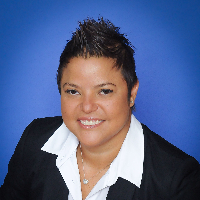
Florida · 21 yrs exp
Works with Stress, Anxiety / Addictions / LGBT +10
Works by Acceptance and Commitment Therapy (ACT) / Client-Centered Therapy
View Profile
Maryland · 6 yrs exp
Works with Stress, Anxiety / Trauma and abuse / Self esteem +11
Works by Attachment-Based Therapy / Client-Centered Therapy
View Profile
Maryland · 10 yrs exp
Works with Stress, Anxiety / Relationship / Family +13
Works by Client-Centered Therapy / Cognitive Behavioral Therapy (CBT)
View Profile
New York · 5 yrs exp · 2 languages
Works with Stress, Anxiety / LGBT / Trauma and abuse +13
Works by Acceptance and Commitment Therapy (ACT) / Attachment-Based Therapy
View Profile
Michigan · 5 yrs exp
Works with Stress, Anxiety / Relationship / Family +13
Works by Acceptance and Commitment Therapy (ACT) / Cognitive Behavioral Therapy (CBT)
View Profile
Pennsylvania · 12 yrs exp
Works with Stress, Anxiety / Relationship / Self esteem +12
Works by Client-Centered Therapy / Cognitive Behavioral Therapy (CBT)
View Profile
North Carolina · 10 yrs exp
Works with Stress, Anxiety / Relationship / Family +17
Works by Acceptance and Commitment Therapy (ACT) / Client-Centered Therapy
View Profile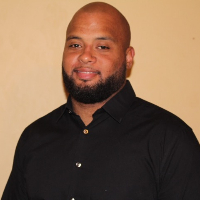
Florida · 8 yrs exp
Works with Stress, Anxiety / Relationship / Family +13
View Profile
New York · 9 yrs exp
Works with Stress, Anxiety / Anger / Self esteem +14
Works by Acceptance and Commitment Therapy (ACT) / Client-Centered Therapy
View Profile
Kentucky · 10 yrs exp
Works with Stress, Anxiety / Family / Self esteem +13
Works by Acceptance and Commitment Therapy (ACT) / Client-Centered Therapy
View Profile
Texas · 10 yrs exp
Works with Stress, Anxiety / Relationship / Family +15
Works by Acceptance and Commitment Therapy (ACT) / Attachment-Based Therapy
View Profile
Michigan · 45 yrs exp
Works with Stress, Anxiety / Addictions / Trauma and abuse +11
Works by Client-Centered Therapy / Cognitive Behavioral Therapy (CBT)
View Profile
Florida · 26 yrs exp
Works with Stress, Anxiety / Relationship / Anger +14
Works by Client-Centered Therapy / Cognitive Behavioral Therapy (CBT)
View Profile
Illinois · 10 yrs exp
Works with Stress, Anxiety / LGBT / Relationship +11
Works by Client-Centered Therapy / Emotionally-Focused Therapy (EFT)
View Profile
Texas · 11 yrs exp
Works with Stress, Anxiety / Trauma and abuse / Career +10
Works by Acceptance and Commitment Therapy (ACT) / Cognitive Behavioral Therapy (CBT)
View Profile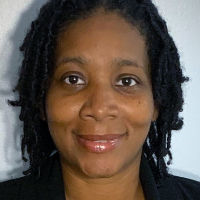
Florida · 13 yrs exp
Works with Stress, Anxiety / Anger / Depression +14
Works by Cognitive Behavioral Therapy (CBT) / Dialectical Behavior Therapy (DBT)
View Profile
Florida · 3 yrs exp
Works with Stress, Anxiety / Family / Trauma and abuse +16
View Profile
Florida · 30 yrs exp
Works with Stress, Anxiety / Trauma and abuse / Bipolar +17
Works by Client-Centered Therapy / Cognitive Behavioral Therapy (CBT)
View Profile
Georgia · 14 yrs exp
Works with Stress, Anxiety / LGBT / Trauma and abuse +10
Works by Client-Centered Therapy / Cognitive Behavioral Therapy (CBT)
View Profile
New Jersey · 22 yrs exp
Works with Stress, Anxiety / LGBT / Relationship +11
Works by Acceptance and Commitment Therapy (ACT) / Attachment-Based Therapy
View Profile
Wisconsin · 23 yrs exp
Works with Stress, Anxiety / Trauma and abuse / Eating +14
Works by Acceptance and Commitment Therapy (ACT) / Client-Centered Therapy
View Profile
Colorado · 11 yrs exp
Works with Stress, Anxiety / LGBT / Trauma and abuse +16
Works by Acceptance and Commitment Therapy (ACT) / Client-Centered Therapy
View Profile
North Carolina · 18 yrs exp
Works with Stress, Anxiety / Addictions / Trauma and abuse +14
Works by Client-Centered Therapy / Cognitive Behavioral Therapy (CBT)
View Profile
Florida · 30 yrs exp
Works with Stress, Anxiety / Relationship / Trauma and abuse +15
Works by Acceptance and Commitment Therapy (ACT) / Client-Centered Therapy
View ProfileWhen people use the acronym LGBT they are referring broadly to lesbian, gay, bisexual and transgender experiences, and the term is often expanded to include queer, questioning and other sexual and gender diverse identities. These identities shape relationships, expressions of self and the ways you move through social spaces. For many, being part of a sexual or gender minority is a source of pride and community. For others, it may lead to stressors that touch many aspects of life, including family dynamics, workplace interactions and access to appropriate healthcare. Experiences vary widely across cultures, regions and generations, so you may find your own journey is influenced by cultural expectations, religious backgrounds and intersecting identities such as race, disability or immigration status.
The effects you notice may be emotional, interpersonal or situational. You might feel relief and affirmation in some environments while encountering microaggressions, discrimination or an absence of role models in others. Minority stress - the chronic strain of living as a stigmatized identity - is a concept often used to describe how external pressures can translate to anxiety, low mood, or relationship strain over time. Understanding how your identity and context interact is a first step toward identifying the kinds of support that could be most helpful for you.
If you are wondering whether therapy could help, pay attention to patterns in your mood, relationships and functioning. You may notice increasing worry when thinking about coming out, ongoing distress about gender-related changes, difficulty asserting boundaries with family, or recurring tension in partnerships related to acceptance and expectations. Identity-related stress can show up as trouble sleeping, difficulty concentrating, avoidance of social situations or a sense of isolation. Some people find old patterns of internalized stigma or self-criticism resurfacing in moments of transition such as starting a new relationship, beginning hormone therapy or navigating name and pronoun changes in public settings.
Therapy can also be a place to explore positive but complex feelings - pride, excitement, and gratitude - alongside grief for what you may have had to leave behind. You might seek support for relationship communication, for processing past trauma, or for practical matters like legal name changes and employment concerns. If you are unsure, an initial conversation with a therapist whose profile indicates LGBT experience can help you assess whether a given clinician’s approach feels like a good fit for your needs.
When you begin sessions, therapists typically start by asking about your concerns, identity history and what you hope to change or understand. Expect a collaborative approach in which your gender and sexual identity are treated as central to your experience rather than as problems to be fixed. Sessions may explore how social factors influence your emotions, how relationships and family expectations shape behavior, and what resources you already have. Some therapists emphasize emotion regulation skills and coping strategies for anxiety or depression, while others focus on narrative exploration of identity and meaning. You should feel able to discuss pronouns, name preferences and any medical or legal steps you are taking so that the therapist can integrate these realities into the work.
Therapists who list cognitive behavioral therapy among their approaches often use structured techniques to address patterns of thought and behavior that maintain anxiety or low mood. Therapists who list acceptance and commitment therapy may emphasize values-driven action and acceptance of difficult feelings. Some clinicians mention psychodynamic or relational approaches that explore early attachment and identity formation over time. You may also find therapists who list narrative therapy, family systems work, trauma-informed methods or couples therapy among their approaches, and those descriptions can help you identify a clinician whose way of working matches your preferences. Keep in mind that a listed approach does not itself indicate certification, only that the therapist mentions it as part of their practice.
Online therapy can expand access to clinicians who acknowledge LGBT concerns, especially if local options are limited. In online sessions you will typically meet by video or phone, and some therapists also offer messaging options for between-session contact. Teletherapy can be effective for discussing identity, relationships and coping strategies and may feel especially helpful if you seek a therapist who shares specific cultural or identity experiences that are not widely available nearby. When using online services, consider practical details such as whether a therapist lists work with your age group, languages spoken, and the general approach they use, since these factors shape the experience as much as modality.
Licensing rules vary by location, so online therapy may be offered across state or national lines in some cases and not in others. You should also think about how your environment affects privacy during sessions - choosing a quiet, personal area where you can speak openly helps you get the most from each meeting. If you are navigating transitions such as starting hormone therapy or changing legal documents, online sessions can be a space to coordinate emotional support while you work with medical and legal professionals in your area.
Finding the right therapist often involves balancing practical considerations with personal resonance. Look for profiles that mention experience with LGBT topics and that describe approaches that align with how you like to work - whether that is a skills-based, insight-oriented or relational focus. Pay attention to the languages offered and to any notes about working with couples, youth, families or older adults if those areas matter to your situation. Consider whether you would prefer a therapist who shares aspects of your identity or one who brings an external perspective and specific skills; both can be helpful depending on your goals.
When evaluating profiles, think about the questions you want to ask during an introductory conversation. You might inquire about the therapist's approach to supporting gender transitions, their experience with relationship issues in queer couples, or how they incorporate cultural and faith contexts into therapy. It is appropriate to ask how they handle pronouns and name changes and to describe the kinds of outcomes you hope to see. Practical matters such as fees, insurance or sliding scale options and session length are also important to confirm before you begin. Trust your instincts about whether a therapist’s communication style and values feel like a good match for the kind of growth and healing you want to pursue.
Across all of this, remember that seeking help for identity-related stress or relationship concerns is a proactive step toward wellbeing. Therapy can provide tools, perspective and a personal space to explore who you are and how you want to live. Use the listings on this page to learn about different approaches and to find a therapist whose profile aligns with your needs, background and goals.
Alabama
356 therapists
Alaska
38 therapists
Arizona
324 therapists
Arkansas
179 therapists
Australia
619 therapists
California
2459 therapists
Colorado
531 therapists
Connecticut
217 therapists
Delaware
69 therapists
District of Columbia
65 therapists
Florida
2398 therapists
Georgia
872 therapists
Hawaii
90 therapists
Idaho
142 therapists
Illinois
794 therapists
Indiana
411 therapists
Iowa
112 therapists
Kansas
171 therapists
Kentucky
299 therapists
Louisiana
463 therapists
Maine
103 therapists
Maryland
421 therapists
Massachusetts
324 therapists
Michigan
792 therapists
Minnesota
304 therapists
Mississippi
240 therapists
Missouri
569 therapists
Montana
137 therapists
Nebraska
123 therapists
Nevada
134 therapists
New Hampshire
63 therapists
New Jersey
555 therapists
New Mexico
128 therapists
New York
1295 therapists
North Carolina
955 therapists
North Dakota
26 therapists
Ohio
576 therapists
Oklahoma
372 therapists
Oregon
177 therapists
Pennsylvania
807 therapists
Rhode Island
48 therapists
South Carolina
437 therapists
South Dakota
44 therapists
Tennessee
382 therapists
Texas
2519 therapists
United Kingdom
4241 therapists
Utah
224 therapists
Vermont
46 therapists
Virginia
516 therapists
Washington
326 therapists
West Virginia
75 therapists
Wisconsin
382 therapists
Wyoming
69 therapists