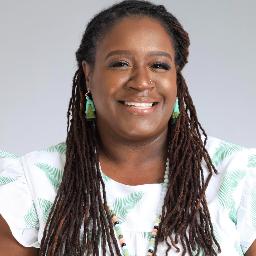
About Zatascha
Zatascha Burton, LPC, helps people facing stress and anxiety find steadier footing. She greets clients with plain language and clear goals. Her style is straightforward and compassionate for people who are worried about day-to-day life.
Clients often come with depression, trauma and abuse, relationship strain, or work and career stress. Zatascha also supports those dealing with grief, anger, body image, and the challenges of life changes. She offers guidance for ADHD concerns and LGBT-related stress as well.
Background and approach
Her approach blends several practical methods. She uses client-centered techniques to follow each person’s pace and priorities. Cognitive Behavioral Therapy helps identify unhelpful thinking and build small behavior changes.
Dialectical Behavior Therapy skills are used to manage strong emotions and improve communication. Eye Movement Desensitization and Reprocessing can be part of trauma-focused work when appropriate. Mindfulness tools teach simple ways to reduce rumination and ground attention in the moment.
Zatascha has 14 years of experience working with diverse backgrounds and multicultural concerns. She is licensed in Georgia as a Licensed Professional Counselor, LPC. Sessions are offered in English and she accepts international clients.
To begin, a short matching questionnaire connects people to her practice, then scheduling follows the therapist’s availability. Therapy uses a subscription model that can be canceled at any time.
How Zatascha Uses Therapy Approaches Online
Zatascha commonly integrates Client-Centered Therapy and Cognitive Behavioral Therapy in online work. Client-Centered Therapy focuses on listening and following the client's lead so goals come from what matters most to the person. Cognitive Behavioral Therapy helps identify unhelpful thoughts and test small behavior changes to reduce anxiety and improve mood.She also draws from Dialectical Behavior Therapy when emotion regulation and communication skills are priorities. DBT offers concrete tools for managing intense feelings and improving how people relate to others. Together these approaches give both supportive listening and practical skills to try between sessions. Choosing the right approach is a collaborative process; the therapist and client talk about goals, try methods, and adjust as they learn what works best.
Online therapy offers flexible ways to fit sessions into busy lives. Video calls allow face-to-face conversation and visual cues. Phone sessions use less bandwidth and can be easier when a quick check-in is needed. Live chat or text-based messaging can suit short updates, coaching-style support, or times when typing feels more comfortable. These options make it easier to keep continuity of care and practice new skills between meetings.
Questions people ask
What kinds of issues does she address?
How would you describe her therapy style?
How much experience does she have?
Where is she based and what are her credentials?
What languages are available for sessions?
What session formats are offered?
How does cost and billing work?
How do I get started with therapy?
What this therapist works with
Most often
Also listed
- Abandonment
- ADHD
- Aging and geriatric issues
- Anger management
- Attachment issues
- Avoidant personality
- Body image
- Career difficulties
- Coaching
- Commitment issues
- Communication problems
- Coping with life changes
- Depression
- Dissociation
- Family conflicts
- Family problems
- Grief
- Guilt and shame
- Hospice and end-of-life counseling
- Life purpose
- Mood disorders
- Multicultural concerns
- Post-traumatic stress
- Relationship issues
- Self esteem
- Self-love
- Sexuality
- Veteran and Armed Forces Issues
- Women's issues
- Workplace issues
- Young adult issues
Therapeutic approaches
- Experience
- 14 years
- Licensed
- Georgia
- Languages
- English
We will earn a commission if you sign up through our link, at no cost to you.