
Velma Jones, LCSW
New York · 29 yrs exp
Works with Stress, Anxiety / Relationship / Trauma and abuse +11
Works by Attachment-Based Therapy / Client-Centered Therapy
View ProfileThis page highlights clinicians who list trauma and abuse among their primary specialties. You can browse listings below to review approaches, credentials, languages, and focus areas.
Use the filters to narrow results and explore profiles to find a therapist whose methods and background align with your needs.
New York · 29 yrs exp
Works with Stress, Anxiety / Relationship / Trauma and abuse +11
Works by Attachment-Based Therapy / Client-Centered Therapy
View Profile
North Carolina · 25 yrs exp
Works with Stress, Anxiety / Relationship / Family +16
Works by Attachment-Based Therapy / Client-Centered Therapy
View Profile
Texas · 30 yrs exp
Works with Stress, Anxiety / Addictions / Anger +14
Works by Cognitive Behavioral Therapy (CBT) / Mindfulness Therapy
View Profile
Texas · 20 yrs exp
Works with Stress, Anxiety / LGBT / Relationship +17
Works by Acceptance and Commitment Therapy (ACT) / Cognitive Behavioral Therapy (CBT)
View Profile
Louisiana · 15 yrs exp
Works with Stress, Anxiety / Relationship / Family +13
Works by Acceptance and Commitment Therapy (ACT) / Attachment-Based Therapy
View Profile
Georgia · 20 yrs exp
Works with Stress, Anxiety / Addictions / Relationship +13
Works by Client-Centered Therapy / Cognitive Behavioral Therapy (CBT)
View Profile
North Carolina · 30 yrs exp · 2 languages
Works with Relationship / Parenting / Anger +6
Works by Cognitive Behavioral Therapy (CBT) / Mindfulness Therapy
View Profile
Florida · 16 yrs exp
Works with Stress, Anxiety / Relationship / Trauma and abuse +7
Works by Cognitive Behavioral Therapy (CBT) / Solution-Focused Therapy
View Profile
Michigan · 25 yrs exp
Works with Stress, Anxiety / LGBT / Relationship +11
Works by Attachment-Based Therapy / Cognitive Behavioral Therapy (CBT)
View Profile
Colorado · 19 yrs exp · 2 languages
Works with Stress, Anxiety / Relationship / Trauma and abuse +13
Works by Acceptance and Commitment Therapy (ACT) / Attachment-Based Therapy
View Profile
California · 14 yrs exp
Works with Stress, Anxiety / Relationship / Family +10
Works by Attachment-Based Therapy / Client-Centered Therapy
View Profile
Texas · 13 yrs exp
Works with Stress, Anxiety / Relationship / Trauma and abuse +12
Works by Attachment-Based Therapy / Client-Centered Therapy
View Profile
North Carolina · 21 yrs exp
Works with Stress, Anxiety / Grief / Eating +13
Works by Acceptance and Commitment Therapy (ACT) / Client-Centered Therapy
View Profile
Florida · 20 yrs exp · 2 languages
Works with Stress, Anxiety / Addictions / Relationship +17
Works by Acceptance and Commitment Therapy (ACT) / Attachment-Based Therapy
View Profile
Missouri · 23 yrs exp
Works with Stress, Anxiety / Addictions / Trauma and abuse +11
Works by Client-Centered Therapy / Cognitive Behavioral Therapy (CBT)
View Profile
Oregon · 17 yrs exp
Works with Stress, Anxiety / Anger / Self esteem +13
Works by Client-Centered Therapy / Cognitive Behavioral Therapy (CBT)
View Profile
Georgia · 19 yrs exp
Works with Stress, Anxiety / Relationship / Family +8
View Profile
New Jersey · 15 yrs exp
Works with Stress, Anxiety / Family / Trauma and abuse +11
Works by Cognitive Behavioral Therapy (CBT) / Psychodynamic Therapy
View Profile
New York · 24 yrs exp
Works with Stress, Anxiety / Relationship / Anger +13
Works by Client-Centered Therapy / Cognitive Behavioral Therapy (CBT)
View Profile
Maine · 12 yrs exp
Works with Stress, Anxiety / Self esteem / Depression +17
Works by Client-Centered Therapy / Cognitive Behavioral Therapy (CBT)
View Profile
Illinois · 32 yrs exp
Works with Stress, Anxiety / Addictions / Relationship +10
View Profile
New York · 13 yrs exp
Works with Relationship / Trauma and abuse / Grief +10
Works by Client-Centered Therapy / Cognitive Behavioral Therapy (CBT)
View Profile
Oregon · 26 yrs exp
Works with Stress, Anxiety / Trauma and abuse / Grief +11
Works by Acceptance and Commitment Therapy (ACT) / Attachment-Based Therapy
View Profile
Kansas · 12 yrs exp
Works with Stress, Anxiety / Relationship / Intimacy-related issues +14
Works by Client-Centered Therapy / Cognitive Behavioral Therapy (CBT)
View Profile
South Carolina · 14 yrs exp
Works with Stress, Anxiety / Parenting / Depression +15
Works by Client-Centered Therapy / Solution-Focused Therapy
View Profile
Pennsylvania · 15 yrs exp
Works with Stress, Anxiety / Addictions / Trauma and abuse +14
Works by Cognitive Behavioral Therapy (CBT) / Dialectical Behavior Therapy (DBT)
View Profile
North Carolina · 12 yrs exp
Works with Relationship / Family / Parenting +8
View Profile
Georgia · 8 yrs exp
Works with Stress, Anxiety / Relationship / Family +12
Works by Client-Centered Therapy / Cognitive Behavioral Therapy (CBT)
View Profile
Kentucky · 18 yrs exp
Works with LGBT / Relationship / Family +15
Works by Attachment-Based Therapy / Client-Centered Therapy
View Profile
Illinois · 30 yrs exp
Works with Trauma and abuse / Grief / Self esteem +15
Works by Client-Centered Therapy / Cognitive Behavioral Therapy (CBT)
View Profile
Colorado · 15 yrs exp
Works with Stress, Anxiety / Relationship / Intimacy-related issues +11
Works by Acceptance and Commitment Therapy (ACT) / Attachment-Based Therapy
View Profile
Louisiana · 7 yrs exp
Works with Stress, Anxiety / Family / Trauma and abuse +16
Works by Acceptance and Commitment Therapy (ACT) / Attachment-Based Therapy
View Profile
North Carolina · 28 yrs exp
Works with Stress, Anxiety / Addictions / LGBT +13
Works by Client-Centered Therapy / Mindfulness Therapy
View Profile
Florida · 25 yrs exp · 2 languages
Works with Relationship / Trauma and abuse / Grief +13
Works by Client-Centered Therapy / Eye Movement Desensitization and Reprocessing (EMDR)
View Profile
New Jersey · 5 yrs exp
Works with Stress, Anxiety / Relationship / Family +13
Works by Client-Centered Therapy / Cognitive Behavioral Therapy (CBT)
View Profile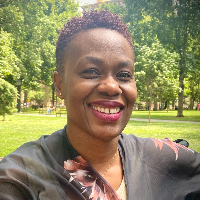
Oklahoma · 7 yrs exp
Works with Stress, Anxiety / Relationship / Grief +9
Works by Client-Centered Therapy / Cognitive Behavioral Therapy (CBT)
View Profile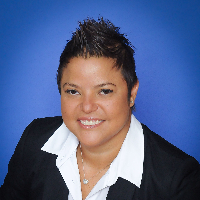
Florida · 21 yrs exp
Works with Stress, Anxiety / Addictions / LGBT +10
Works by Acceptance and Commitment Therapy (ACT) / Client-Centered Therapy
View Profile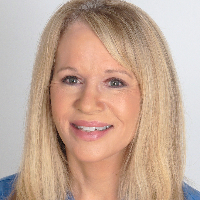
Massachusetts · 25 yrs exp
Works with Stress, Anxiety / Addictions / Relationship +10
Works by Cognitive Behavioral Therapy (CBT) / Mindfulness Therapy
View Profile
Maryland · 6 yrs exp
Works with Stress, Anxiety / Trauma and abuse / Self esteem +11
Works by Attachment-Based Therapy / Client-Centered Therapy
View Profile
Florida · 23 yrs exp
Works with Stress, Anxiety / Addictions / Self esteem +11
Works by Client-Centered Therapy / Cognitive Behavioral Therapy (CBT)
View Profile
Maryland · 10 yrs exp
Works with Stress, Anxiety / Relationship / Family +13
Works by Client-Centered Therapy / Cognitive Behavioral Therapy (CBT)
View Profile
New York · 25 yrs exp · 2 languages
Works with Stress, Anxiety / Addictions / Trauma and abuse +12
Works by Client-Centered Therapy / Cognitive Behavioral Therapy (CBT)
View Profile
New York · 5 yrs exp · 2 languages
Works with Stress, Anxiety / LGBT / Trauma and abuse +13
Works by Acceptance and Commitment Therapy (ACT) / Attachment-Based Therapy
View Profile
Michigan · 5 yrs exp
Works with Stress, Anxiety / Relationship / Family +13
Works by Acceptance and Commitment Therapy (ACT) / Cognitive Behavioral Therapy (CBT)
View Profile
Arizona · 6 yrs exp
Works with Stress, Anxiety / Relationship / Family +12
Works by Client-Centered Therapy / Cognitive Behavioral Therapy (CBT)
View Profile
Missouri · 16 yrs exp
Works with Stress, Anxiety / Trauma and abuse / Self esteem +13
Works by Client-Centered Therapy / Cognitive Behavioral Therapy (CBT)
View Profile
North Carolina · 10 yrs exp
Works with Stress, Anxiety / Relationship / Family +17
Works by Acceptance and Commitment Therapy (ACT) / Client-Centered Therapy
View Profile
Virginia · 9 yrs exp
Works with Stress, Anxiety / Relationship / Self esteem +8
Works by Client-Centered Therapy / Cognitive Behavioral Therapy (CBT)
View ProfileTrauma and abuse describe a range of experiences that overwhelm a person's capacity to cope. Trauma may follow a single event such as an accident, assault, or disaster, or it may build over time from repeated experiences like childhood maltreatment, domestic violence, or ongoing emotional harm. Abuse can be physical, emotional, sexual, or financial, and it often affects a person’s sense of safety, relationships, and daily functioning. When people seek help for trauma and abuse, they are often trying to make sense of intrusive memories, intense emotional reactions, or patterns that interfere with work, relationships, and wellbeing.
Your experience of trauma is shaped by many factors - prior experiences, personal strengths, supports, cultural background, and current life context. Two people exposed to similar events can respond very differently. Therapy focused on trauma and abuse aims to provide a thoughtful, paced environment where you can process memories and reactions, rebuild a sense of control, and develop approaches for managing distress. It is common for trauma work to address not only symptoms but also the practical and relational impacts that follow, such as trust issues, parenting concerns, or difficulties with self-worth.
You might consider seeking therapy if you notice ongoing symptoms that started after distressing events or patterns of harm. These can include frequent intrusive memories, nightmares, intense startle reactions, hypervigilance, or an ongoing sense of dread. You may find yourself avoiding reminders of the experience, or you may use substances, disordered eating, or other behaviors to numb or manage difficult feelings. Emotional numbing, difficulty connecting with others, outbursts of anger, or feeling detached from your body are also common experiences people bring to trauma-focused therapy.
Trauma and abuse can show up in ways that are less obviously linked to a single incident. You may struggle with low mood, anxiety, trouble concentrating, or persistent feelings of shame and guilt. Relationships may be strained because you find it hard to trust, or you may notice patterns where you keep having the same kinds of harmful interactions. If symptoms interfere with work, school, relationships, or your ability to enjoy life, therapy can offer targeted support. Seeking help does not mean you are weak; it often reflects a decision to invest in your wellbeing and safety.
Therapy for trauma and abuse typically begins with an assessment and a conversation about your goals. In early sessions you will likely review your history, current concerns, strengths, and what you hope to achieve. A responsible clinician will discuss approaches they use, how they conceptualize your situation, and what a typical course of work might look like. You and your therapist should agree on a pace that feels manageable; trauma work can be intense, so many clinicians emphasize stabilization strategies before moving into deeper memory processing.
Sessions will often include skills-building to help you manage emotional reactions, regulate stress, and improve sleep and daily functioning. These skills can include grounding techniques, emotion regulation strategies, and ways to respond when memories or triggers arise. When you are ready to process memories or change the meaning attached to past events, some clinicians use structured approaches while others use more integrative methods. Importantly, you should expect to be an active participant, setting limits and helping shape the direction and speed of work. Therapy is collaborative, and progress may be gradual with periods of steady improvement and occasional setbacks.
There is no single approach that fits everyone, and many clinicians combine elements from different models to meet individual needs. You will find therapists who list cognitive-behavioral approaches among their methods, which focus on identifying and shifting distressing thoughts and behaviors that maintain symptoms. Some therapists list exposure-based methods that help you gradually face feared memories or reminders in a controlled way. There are clinicians who list narrative or integrative approaches that explore meaning, identity, and relationships in the aftermath of harm.
You may also encounter clinicians who list somatically oriented methods among their approaches, which attend to bodily sensations and patterns that hold stress. Other therapists list relational or attachment-focused frameworks that explore how past harm affects current relationships and interpersonal patterns. If you read a therapist profile and see references to specific techniques like EMDR, sensorimotor therapy, or internal family systems, note that this indicates the approach is part of their practice, not an assertion about formal certification. When reviewing profiles, consider which approaches resonate with you and how they align with your goals - for example, whether you want skills-focused work, memory processing, or support rebuilding relationships and safety.
Online therapy for trauma and abuse uses video, phone, or text-based messaging to connect you with a clinician. Sessions follow a similar rhythm to in-person work, beginning with assessment and moving through skills-building and processing at a mutually agreed pace. Many people find online sessions more accessible because they reduce travel time and allow for continuity when life schedules or location change. To make the most of online work, you should identify a quiet, comfortable setting where you can speak freely and be aware of local resources if you need emergency support. Discuss with a prospective clinician how they handle crisis situations and what supports they recommend in your area.
Choosing a therapist is a personal process. Start by clarifying what you hope to address - for example, intrusive memories, relationship patterns, or rebuilding safety - and look for clinicians who list relevant focus areas and approaches. Pay attention to credentials and professional background to understand their training pathway, but remember that a listed approach does not guarantee formal certification in that method. Consider languages spoken, cultural competence, and experience working with populations similar to yours, such as survivors of specific types of abuse or people from particular cultural backgrounds. Reading a clinician’s description can give you a sense of their style - whether they emphasize skills training, insight-oriented work, or body-centered methods.
When you explore profiles, think about practical fit as well. Consider session format - video, phone, or messaging - and whether the clinician describes a collaborative, paced approach. You might look for mentions of working with trauma-related symptoms like nightmares or relationship struggles if those are priorities for you. Trust your instincts about whether a profile feels respectful and empathetic. It is often helpful to prepare a few questions to ask in an initial consultation: how they approach safety planning, how they involve you in treatment decisions, and what you can expect in the first few months. A strong therapeutic fit is built on mutual understanding, a clear plan, and a sense that the clinician respects your boundaries and goals.
Beginning trauma-focused therapy can stir intense emotions and memories, so attention to self-care between sessions is important. You might develop routines that support sleep, nutrition, and gentle activity, and build contact with trusted friends or family for ongoing support. Small, consistent practices such as grounding exercises, paced breathing, or brief movement can help you manage moments of distress. It can also help to set realistic expectations about progress - healing is rarely linear, and setbacks are part of many people’s journeys.
As you engage in therapy, keep communication open with your clinician about what feels helpful and what does not. Adjustments in pace, approach, or session focus are common and appropriate. If you encounter barriers like financial constraints, transportation challenges, or cultural considerations, mention these so your clinician can work with you on practical solutions or referrals. Therapy can be a place to rebuild a sense of agency and to develop tools that support daily life. Over time, many people find they can live with difficult memories in ways that reduce their disruptive impact and allow room for meaningful relationships and activities.
Trauma and abuse work is deeply personal and often challenging, but with thoughtful guidance and a clinician whose approach matches your needs, you can find ways to reduce distress and strengthen coping. Use the listings above to explore clinicians who list trauma and abuse among their specialties, read their profiles carefully, and choose someone whose style and approaches align with what you value in care.
Alabama
356 therapists
Alaska
38 therapists
Arizona
324 therapists
Arkansas
179 therapists
Australia
619 therapists
California
2459 therapists
Colorado
531 therapists
Connecticut
217 therapists
Delaware
69 therapists
District of Columbia
65 therapists
Florida
2398 therapists
Georgia
872 therapists
Hawaii
90 therapists
Idaho
142 therapists
Illinois
794 therapists
Indiana
411 therapists
Iowa
112 therapists
Kansas
171 therapists
Kentucky
299 therapists
Louisiana
463 therapists
Maine
103 therapists
Maryland
421 therapists
Massachusetts
324 therapists
Michigan
792 therapists
Minnesota
304 therapists
Mississippi
240 therapists
Missouri
569 therapists
Montana
137 therapists
Nebraska
123 therapists
Nevada
134 therapists
New Hampshire
63 therapists
New Jersey
555 therapists
New Mexico
128 therapists
New York
1295 therapists
North Carolina
955 therapists
North Dakota
26 therapists
Ohio
576 therapists
Oklahoma
372 therapists
Oregon
177 therapists
Pennsylvania
807 therapists
Rhode Island
48 therapists
South Carolina
437 therapists
South Dakota
44 therapists
Tennessee
382 therapists
Texas
2519 therapists
United Kingdom
4241 therapists
Utah
224 therapists
Vermont
46 therapists
Virginia
516 therapists
Washington
326 therapists
West Virginia
75 therapists
Wisconsin
382 therapists
Wyoming
69 therapists