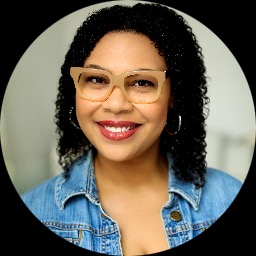
About Lynda
Lynda Nora Durand is a Licensed Mental Health Counselor who helps people facing anxiety, stress, depression, grief, trauma, and relationship struggles. She uses straightforward support to help clients manage difficult emotions and make practical changes. Nora draws on 13 years of clinical work across settings such as child welfare, crisis response after Hurricane Sandy, a crisis respite center, and victim services.
That background shaped a practical, hands-on style. She aims to meet people where they are and listen without judgement.
Background and approach
Her sessions are collaborative. She tends to blend client-centered conversations with tools from cognitive behavioral therapy and motivational interviewing. Conversations often focus on changing unhelpful thoughts, building coping steps, and finding motivation for small changes.
Nora describes her approach as adaptable and creative. She tailors strategies to each person’s situation rather than following one set method. Sessions may include problem-solving, skill practice, and planning for next steps between meetings.
People who have experienced disaster, trauma, or crises may find her background especially relevant. She also supports people dealing with workplace strain, parenting stress, self-esteem concerns, and addiction-related challenges. Nora works in New York and communicates in English.
Approaches that translate well to online care
Client-Centered Therapy focuses on listening and understanding a person's perspective. The therapist offers a non-judgmental space and follows the person’s lead to identify what matters most. This approach helps people feel heard and clarifies goals for change.Cognitive Behavioral Therapy, or CBT, uses brief, practical exercises to shift unhelpful thoughts and behaviors. It often involves identifying thinking patterns, testing them, and practicing new coping skills between sessions, which works well in remote formats.
Finding the right approach is part of the work together. The therapist will talk with the client about goals, preferences, and daily life, then try methods that fit. If something isn’t working, she adjusts the plan so sessions stay useful and focused on tangible progress.
Online therapy offers several practical benefits. Video calls let people meet face-to-face when travel is difficult. Phone sessions are useful when bandwidth is limited or a shorter check-in is needed. Live chat and text-based messaging can fit into busy days and allow for brief, on-the-go support. These options make it easier to keep therapy consistent around work, family, and other commitments.
Questions people ask
What kinds of concerns does she help with?
How would you describe her therapeutic style?
What is her clinical background?
Where is she licensed and based?
Can sessions be conducted in other languages?
Are online or remote sessions an option?
How does billing and cost work?
What are the first steps to begin therapy?
What this therapist works with
Most often
- Relationship issues
- Trauma and abuse
- Grief
Also listed
- Addictions
- Anger management
- Bipolar disorder
- Career difficulties
- Communication problems
- Coping with life changes
- Coping with natural or human-caused disaster
- Depression
- Family conflicts
- First responder issues
- Forgiveness
- Multicultural concerns
- Parenting issues
- Self esteem
- Self-love
- Stress, Anxiety
- Workplace issues
Therapeutic approaches
- Experience
- 13 years
- Licensed
- Florida, New York
- Languages
- English
We will earn a commission if you sign up through our link, at no cost to you.