
Velma Jones, LCSW
New York · 29 yrs exp
Works with Stress, Anxiety / Relationship / Trauma and abuse +11
Works by Attachment-Based Therapy / Client-Centered Therapy
View ProfileTrauma-Focused Therapy is an approach that concentrates on the effects of traumatic events and on strategies to reduce distress and improve daily functioning. Below you can browse therapists who list Trauma-Focused Therapy among their approaches. Use the profile details to compare focus areas, credentials, languages and therapeutic styles to find a good match.
New York · 29 yrs exp
Works with Stress, Anxiety / Relationship / Trauma and abuse +11
Works by Attachment-Based Therapy / Client-Centered Therapy
View Profile
North Carolina · 25 yrs exp
Works with Stress, Anxiety / Relationship / Family +16
Works by Attachment-Based Therapy / Client-Centered Therapy
View Profile
Texas · 20 yrs exp
Works with Stress, Anxiety / LGBT / Relationship +17
Works by Acceptance and Commitment Therapy (ACT) / Cognitive Behavioral Therapy (CBT)
View Profile
Louisiana · 15 yrs exp
Works with Stress, Anxiety / Relationship / Family +13
Works by Acceptance and Commitment Therapy (ACT) / Attachment-Based Therapy
View Profile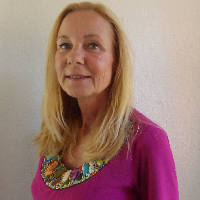
North Carolina · 30 yrs exp · 2 languages
Works with Relationship / Parenting / Anger +6
Works by Cognitive Behavioral Therapy (CBT) / Mindfulness Therapy
View Profile
Florida · 16 yrs exp
Works with Stress, Anxiety / Relationship / Trauma and abuse +7
Works by Cognitive Behavioral Therapy (CBT) / Solution-Focused Therapy
View Profile
Colorado · 19 yrs exp · 2 languages
Works with Stress, Anxiety / Relationship / Trauma and abuse +13
Works by Acceptance and Commitment Therapy (ACT) / Attachment-Based Therapy
View Profile
Texas · 13 yrs exp
Works with Stress, Anxiety / Relationship / Trauma and abuse +12
Works by Attachment-Based Therapy / Client-Centered Therapy
View Profile
Florida · 20 yrs exp · 2 languages
Works with Stress, Anxiety / Addictions / Relationship +17
Works by Acceptance and Commitment Therapy (ACT) / Attachment-Based Therapy
View Profile
Missouri · 23 yrs exp
Works with Stress, Anxiety / Addictions / Trauma and abuse +11
Works by Client-Centered Therapy / Cognitive Behavioral Therapy (CBT)
View Profile
New York · 13 yrs exp
Works with Relationship / Trauma and abuse / Grief +10
Works by Client-Centered Therapy / Cognitive Behavioral Therapy (CBT)
View Profile
Oregon · 26 yrs exp
Works with Stress, Anxiety / Trauma and abuse / Grief +11
Works by Acceptance and Commitment Therapy (ACT) / Attachment-Based Therapy
View Profile
Kansas · 12 yrs exp
Works with Stress, Anxiety / Relationship / Intimacy-related issues +14
Works by Client-Centered Therapy / Cognitive Behavioral Therapy (CBT)
View Profile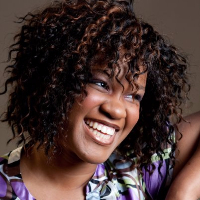
Pennsylvania · 15 yrs exp
Works with Stress, Anxiety / Addictions / Trauma and abuse +14
Works by Cognitive Behavioral Therapy (CBT) / Dialectical Behavior Therapy (DBT)
View Profile
Kentucky · 18 yrs exp
Works with LGBT / Relationship / Family +15
Works by Attachment-Based Therapy / Client-Centered Therapy
View Profile
Colorado · 15 yrs exp
Works with Stress, Anxiety / Relationship / Intimacy-related issues +11
Works by Acceptance and Commitment Therapy (ACT) / Attachment-Based Therapy
View Profile
Louisiana · 7 yrs exp
Works with Stress, Anxiety / Family / Trauma and abuse +16
Works by Acceptance and Commitment Therapy (ACT) / Attachment-Based Therapy
View Profile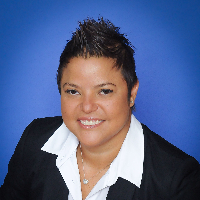
Florida · 21 yrs exp
Works with Stress, Anxiety / Addictions / LGBT +10
Works by Acceptance and Commitment Therapy (ACT) / Client-Centered Therapy
View Profile
Maryland · 6 yrs exp
Works with Stress, Anxiety / Trauma and abuse / Self esteem +11
Works by Attachment-Based Therapy / Client-Centered Therapy
View Profile
Florida · 23 yrs exp
Works with Stress, Anxiety / Addictions / Self esteem +11
Works by Client-Centered Therapy / Cognitive Behavioral Therapy (CBT)
View Profile
Maryland · 10 yrs exp
Works with Stress, Anxiety / Relationship / Family +13
Works by Client-Centered Therapy / Cognitive Behavioral Therapy (CBT)
View Profile
New York · 5 yrs exp · 2 languages
Works with Stress, Anxiety / LGBT / Trauma and abuse +13
Works by Acceptance and Commitment Therapy (ACT) / Attachment-Based Therapy
View Profile
Missouri · 16 yrs exp
Works with Stress, Anxiety / Trauma and abuse / Self esteem +13
Works by Client-Centered Therapy / Cognitive Behavioral Therapy (CBT)
View Profile
New York · 11 yrs exp
Works with Stress, Anxiety / Grief / Self esteem +9
Works by Acceptance and Commitment Therapy (ACT) / Attachment-Based Therapy
View Profile
Missouri · 7 yrs exp
Works with Stress, Anxiety / Addictions / Relationship +14
Works by Client-Centered Therapy / Cognitive Behavioral Therapy (CBT)
View Profile
Texas · 10 yrs exp
Works with Stress, Anxiety / Relationship / Family +15
Works by Acceptance and Commitment Therapy (ACT) / Attachment-Based Therapy
View Profile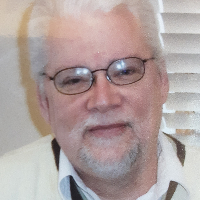
Michigan · 45 yrs exp
Works with Stress, Anxiety / Addictions / Trauma and abuse +11
Works by Client-Centered Therapy / Cognitive Behavioral Therapy (CBT)
View Profile
Florida · 26 yrs exp
Works with Stress, Anxiety / Relationship / Anger +14
Works by Client-Centered Therapy / Cognitive Behavioral Therapy (CBT)
View Profile
Ohio · 18 yrs exp
Works with Stress, Anxiety / Trauma and abuse / Grief +12
Works by Acceptance and Commitment Therapy (ACT) / Client-Centered Therapy
View Profile
Ohio · 33 yrs exp
Works with Stress, Anxiety / Family / Trauma and abuse +13
Works by Client-Centered Therapy / Cognitive Behavioral Therapy (CBT)
View Profile
Illinois · 10 yrs exp
Works with Stress, Anxiety / LGBT / Relationship +11
Works by Client-Centered Therapy / Emotionally-Focused Therapy (EFT)
View Profile
Minnesota · 23 yrs exp
Works with Stress, Anxiety / Relationship / Trauma and abuse +14
Works by Attachment-Based Therapy / Client-Centered Therapy
View Profile
Florida · 30 yrs exp
Works with Stress, Anxiety / Trauma and abuse / Bipolar +17
Works by Client-Centered Therapy / Cognitive Behavioral Therapy (CBT)
View Profile
Georgia · 14 yrs exp
Works with Stress, Anxiety / LGBT / Trauma and abuse +10
Works by Client-Centered Therapy / Cognitive Behavioral Therapy (CBT)
View Profile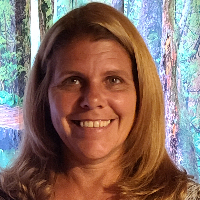
South Carolina · 10 yrs exp
Works with Stress, Anxiety / Relationship / Family +2
Works by Client-Centered Therapy / Cognitive Behavioral Therapy (CBT)
View Profile
South Carolina · 36 yrs exp
Works with Stress, Anxiety / Addictions / Family +4
Works by Client-Centered Therapy / Cognitive Behavioral Therapy (CBT)
View Profile
Wisconsin · 23 yrs exp
Works with Stress, Anxiety / Trauma and abuse / Eating +14
Works by Acceptance and Commitment Therapy (ACT) / Client-Centered Therapy
View Profile
Colorado · 11 yrs exp
Works with Stress, Anxiety / LGBT / Trauma and abuse +16
Works by Acceptance and Commitment Therapy (ACT) / Client-Centered Therapy
View Profile
Florida · 30 yrs exp
Works with Stress, Anxiety / Relationship / Trauma and abuse +15
Works by Acceptance and Commitment Therapy (ACT) / Client-Centered Therapy
View Profile
Florida · 15 yrs exp
Works with Stress, Anxiety / Addictions / Trauma and abuse +15
Works by Acceptance and Commitment Therapy (ACT) / Client-Centered Therapy
View Profile
Michigan · 21 yrs exp
Works with Stress, Anxiety / Relationship / Family +15
Works by Acceptance and Commitment Therapy (ACT) / Attachment-Based Therapy
View Profile
Texas · 21 yrs exp
Works with Stress, Anxiety / Relationship / Trauma and abuse +16
Works by Acceptance and Commitment Therapy (ACT) / Client-Centered Therapy
View Profile
Wisconsin · 26 yrs exp
Works with Stress, Anxiety / Self esteem / Career +12
Works by Acceptance and Commitment Therapy (ACT) / Attachment-Based Therapy
View Profile
California · 8 yrs exp
Works with Stress, Anxiety / Addictions / Relationship +16
Works by Attachment-Based Therapy / Client-Centered Therapy
View Profile
Texas · 22 yrs exp
Works with Stress, Anxiety / Relationship / Trauma and abuse +17
Works by Acceptance and Commitment Therapy (ACT) / Attachment-Based Therapy
View Profile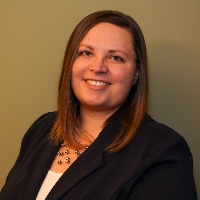
Illinois · 12 yrs exp
Works with Stress, Anxiety / Trauma and abuse / Parenting +13
Works by Client-Centered Therapy / Cognitive Behavioral Therapy (CBT)
View Profile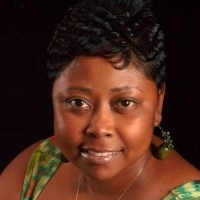
Alabama · 8 yrs exp
Works with Stress, Anxiety / Trauma and abuse / Anger +6
Works by Client-Centered Therapy / Cognitive Behavioral Therapy (CBT)
View Profile
Michigan · 26 yrs exp
Works with Stress, Anxiety / Trauma and abuse / Self esteem +17
Works by Client-Centered Therapy / Cognitive Behavioral Therapy (CBT)
View ProfileTrauma-Focused Therapy is a set of approaches that center on understanding how traumatic experiences shape emotional, cognitive and relational patterns. At its core, the work focuses on helping you process overwhelming memories, reduce avoidance and build skills that support regulation and resilience. Practitioners who use trauma-focused methods tend to emphasize safety, pacing and collaboration so you can engage with difficult material without feeling overwhelmed.
The guiding principles include a careful attention to stabilization, an individualized plan for processing traumatic memories, and the development of coping tools that apply to everyday life. Therapists typically integrate psychoeducation so you can understand common stress responses and normal reactions to trauma. They also attend to the way trauma affects identity, attachment and beliefs about the world. The goal is not to erase memory but to change the way memories are stored and experienced so they have less power over your mood and behavior.
Many trauma-focused approaches draw from research on memory, learning and emotion regulation. While approaches vary in technique, they commonly use structured interventions paired with skill-building. You may encounter methods that involve narrative work, exposure at a pace that feels manageable, or practices to strengthen your ability to tolerate strong feelings. When reviewing therapist profiles, you will see practitioners describing Trauma-Focused Therapy among the approaches they use; that can help you find someone whose style aligns with your needs.
Trauma-Focused Therapy is commonly used for people coping with the ongoing effects of single-incident events such as assaults, accidents or natural disasters, as well as complex trauma stemming from long-term experiences like childhood adversity, prolonged interpersonal harm or chronic exposure to stress. You might consider trauma-focused work if you notice persistent intrusive memories, heightened startle, avoidance of reminders, sleep disturbances or difficulties trusting others.
Beyond classic post-traumatic stress symptoms, trauma-focused approaches are often helpful when trauma contributes to depression, anxiety, relationship strain or difficulties in emotion regulation. People who have a history of medical trauma, workplace incidents, community violence or other distressing events may find focused trauma work addresses patterns that show up across different parts of life. The approach also supports people exploring how early attachment disruptions or repeated losses influence current coping and relationships.
A typical session begins with checking in about how you have been managing since the last appointment. You and your therapist will assess current symptoms and any safety concerns, and then decide together what to address in the session. Sessions often balance skill-building and stabilization with exposure or processing work, depending on where you are in your therapeutic plan. Early sessions may spend more time on developing breathing, grounding and emotion-regulation skills before moving toward direct processing of traumatic material.
When processing begins, your therapist will guide the pace so you maintain a tolerable level of distress. Processing can take many forms - it might involve telling a story about an event in a structured way, using imagery to shift how a memory is held, or working through how trauma shaped beliefs about yourself and others. Sessions commonly include time to reflect on how the work affects your daily life and to practice strategies that help you cope between appointments. This blend of in-session processing and real-world skill application is intended to build confidence and reduce the influence of traumatic memories over time.
Trauma-Focused Therapy differs from broader psychotherapies in its direct attention to past traumatic experiences and to the specific ways those experiences continue to shape thoughts, feelings and behaviors. While general counseling may focus on present concerns or problem-solving, trauma-focused work explicitly targets traumatic memories and the associated patterns of avoidance and hyperarousal. That focus usually involves carefully structured interventions that aim to reconsolidate or reframe distressing memories rather than simply talking about feelings.
Compared with some exploratory or insight-oriented therapies, trauma-focused approaches often have clearer, stepwise goals - stabilization, processing and integration. This does not mean insight is absent; many trauma-focused clinicians integrate reflective work about meaning, identity and relationships. What sets the approach apart is its emphasis on measurable symptom reduction and skill development related to trauma responses. When scanning therapist profiles you may notice references to specific trauma approaches or to therapeutic components such as grounding, exposure pacing, or narrative processing; these descriptions can help you understand how a clinician structures their trauma work.
Trauma-Focused Therapy can be appropriate for many people who are ready to address the impact of traumatic experiences on their daily lives. You might be a good candidate if you feel motivated to work through distressing memories, if you want to reduce avoidance that limits your activities, or if you are seeking concrete skills for managing intense emotions. It is also commonly recommended when trauma-related symptoms interfere with relationships, work or overall well-being. That said, the timing matters - some people benefit from initial stabilization work before engaging in deeper processing.
When looking for a therapist who uses trauma-focused methods, prioritize clarity about approach and fit. Read profiles to find therapists who list Trauma-Focused Therapy among their approaches and note descriptors that match your preferences, such as a focus on adult survivors, children, couples, or specific populations. Consider credentials and experience areas that align with your needs, and look for therapists who describe a collaborative style and attention to pacing and safety. You may also value certain modalities mentioned alongside trauma-focused work - for example, some clinicians list cognitive techniques, somatic approaches, or attachment-informed perspectives among their methods. These signals can help you imagine how a clinician might integrate different tools in the therapeutic process.
Finally, trust your response to a therapist's description. A profile that feels respectful and clear about the therapeutic process is often a better starting point than one that promises quick fixes or uses jargon without explanation. When you contact a clinician, you can ask about their general approach to trauma, how they structure sessions, and how they support clients between appointments. Clear communication about pacing, homework and follow-up plans can give you a better sense of whether the clinician's style matches what you are looking for. Using this information along with practical factors like languages spoken and professional background will help you identify therapists who list Trauma-Focused Therapy and who align with your needs and preferences.
Alabama
356 therapists
Alaska
38 therapists
Arizona
324 therapists
Arkansas
179 therapists
Australia
619 therapists
California
2459 therapists
Colorado
531 therapists
Connecticut
217 therapists
Delaware
69 therapists
District of Columbia
65 therapists
Florida
2398 therapists
Georgia
872 therapists
Hawaii
90 therapists
Idaho
142 therapists
Illinois
794 therapists
Indiana
411 therapists
Iowa
112 therapists
Kansas
171 therapists
Kentucky
299 therapists
Louisiana
463 therapists
Maine
103 therapists
Maryland
421 therapists
Massachusetts
324 therapists
Michigan
792 therapists
Minnesota
304 therapists
Mississippi
240 therapists
Missouri
569 therapists
Montana
137 therapists
Nebraska
123 therapists
Nevada
134 therapists
New Hampshire
63 therapists
New Jersey
555 therapists
New Mexico
128 therapists
New York
1295 therapists
North Carolina
955 therapists
North Dakota
26 therapists
Ohio
576 therapists
Oklahoma
372 therapists
Oregon
177 therapists
Pennsylvania
807 therapists
Rhode Island
48 therapists
South Carolina
437 therapists
South Dakota
44 therapists
Tennessee
382 therapists
Texas
2519 therapists
United Kingdom
4241 therapists
Utah
224 therapists
Vermont
46 therapists
Virginia
516 therapists
Washington
326 therapists
West Virginia
75 therapists
Wisconsin
382 therapists
Wyoming
69 therapists