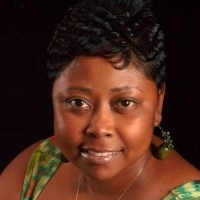
About LaQuanda
Dr. LaQuanda Wiggins is a licensed professional counselor (LPC) based in Alabama who focuses on anxiety and related concerns. She brings eight years of experience to short-term and longer work that aims to reduce overwhelm and build coping skills.
Her tone in sessions is warm and interactive and she adapts her approach to each person. Dr. Wiggins uses straightforward methods that help people manage stress, depression, anger, grief, and the impact of trauma and abuse.
Background and approach
She also supports people dealing with work issues, caregiver strain, and relationship or communication problems. Sessions emphasize practical steps alongside chances to reflect on patterns that keep problems repeating. Her methods include client-centered therapy, cognitive behavioral approaches, narrative work, psychodynamic ideas, and solution-focused strategies.
That mix allows her to blend short-term tools with deeper reflection when needed. She changes plans to fit each person’s goals and pace. In a typical session she listens first, then offers techniques and experiments people can try between meetings.
She helps with things like building self-esteem, coping with life changes, and working through forgiveness or post-traumatic stress concerns. The goal is clearer thinking and better day-to-day functioning. People who choose her often want a therapist who is direct but compassionate.
Dr. Wiggins emphasizes practical progress while also addressing emotional pain. She encourages steps that feel doable and meaningful.
Practical approaches for online anxiety and trauma work
Dr. Wiggins often uses client-centered therapy and cognitive behavioral therapy in online sessions. Client-centered work means she focuses on listening closely, reflecting what matters to the client, and shaping sessions around each person’s goals. Cognitive behavioral therapy teaches concrete skills to change unhelpful thoughts and behaviors, which can reduce anxiety and improve daily coping.She may also draw on narrative therapy to help people rewrite problem stories and see themselves differently. That approach helps when past events or recurring negative narratives keep someone stuck. Choosing the right blend of methods is a collaborative process - she discusses options, checks what feels useful, and adjusts the plan as goals evolve.
Online sessions are offered via video calls, phone, live chat, or text-based messaging to fit different needs. Video calls work well for in-depth conversations and skill practice. Phone sessions can be simpler when bandwidth is limited or a quieter setting is needed. Live chat and text messaging are useful for brief check-ins, quick strategies, and people who prefer written communication. These formats make therapy easier to fit into work, caregiving, and busy schedules while keeping treatment focused and practical.
Questions people ask
What concerns does she address?
What is her approach in sessions?
How much clinical experience does she have?
What are her credentials and where is she located?
Which languages are supported?
Which session formats are available?
How are sessions paid for?
How do I begin working with her?
What this therapist works with
Most often
- Stress, Anxiety
- Trauma and abuse
- Anger management
Also listed
Therapeutic approaches
- Experience
- 8 years
- Licensed
- Alabama
- Languages
- English
We will earn a commission if you sign up through our link, at no cost to you.