
Velma Jones, LCSW
New York · 29 yrs exp
Works with Stress, Anxiety / Relationship / Trauma and abuse +11
Works by Attachment-Based Therapy / Client-Centered Therapy
View ProfileCognitive Behavioral Therapy (CBT) is a structured, goal-oriented approach that helps people identify and change unhelpful thoughts and behaviors. Below you can browse therapists who list CBT among their approaches to find practitioners whose focus, credentials, languages, and experience match your needs.
New York · 29 yrs exp
Works with Stress, Anxiety / Relationship / Trauma and abuse +11
Works by Attachment-Based Therapy / Client-Centered Therapy
View Profile
Oklahoma · 21 yrs exp
Works with Stress, Anxiety / Relationship / Family +9
Works by Client-Centered Therapy / Cognitive Behavioral Therapy (CBT)
View Profile
North Carolina · 25 yrs exp
Works with Stress, Anxiety / Relationship / Family +16
Works by Attachment-Based Therapy / Client-Centered Therapy
View Profile
Texas · 30 yrs exp
Works with Stress, Anxiety / Addictions / Anger +14
Works by Cognitive Behavioral Therapy (CBT) / Mindfulness Therapy
View Profile
Texas · 20 yrs exp
Works with Stress, Anxiety / LGBT / Relationship +17
Works by Acceptance and Commitment Therapy (ACT) / Cognitive Behavioral Therapy (CBT)
View Profile
Louisiana · 15 yrs exp
Works with Stress, Anxiety / Relationship / Family +13
Works by Acceptance and Commitment Therapy (ACT) / Attachment-Based Therapy
View Profile
Georgia · 20 yrs exp
Works with Stress, Anxiety / Addictions / Relationship +13
Works by Client-Centered Therapy / Cognitive Behavioral Therapy (CBT)
View Profile
North Carolina · 30 yrs exp · 2 languages
Works with Relationship / Parenting / Anger +6
Works by Cognitive Behavioral Therapy (CBT) / Mindfulness Therapy
View Profile
Florida · 16 yrs exp
Works with Stress, Anxiety / Relationship / Trauma and abuse +7
Works by Cognitive Behavioral Therapy (CBT) / Solution-Focused Therapy
View Profile
Michigan · 25 yrs exp
Works with Stress, Anxiety / LGBT / Relationship +11
Works by Attachment-Based Therapy / Cognitive Behavioral Therapy (CBT)
View Profile
Colorado · 19 yrs exp · 2 languages
Works with Stress, Anxiety / Relationship / Trauma and abuse +13
Works by Acceptance and Commitment Therapy (ACT) / Attachment-Based Therapy
View Profile
California · 14 yrs exp
Works with Stress, Anxiety / Relationship / Family +10
Works by Attachment-Based Therapy / Client-Centered Therapy
View Profile
Texas · 13 yrs exp
Works with Stress, Anxiety / Relationship / Trauma and abuse +12
Works by Attachment-Based Therapy / Client-Centered Therapy
View Profile
North Carolina · 21 yrs exp
Works with Stress, Anxiety / Grief / Eating +13
Works by Acceptance and Commitment Therapy (ACT) / Client-Centered Therapy
View Profile
Florida · 20 yrs exp · 2 languages
Works with Stress, Anxiety / Addictions / Relationship +17
Works by Acceptance and Commitment Therapy (ACT) / Attachment-Based Therapy
View Profile
Missouri · 23 yrs exp
Works with Stress, Anxiety / Addictions / Trauma and abuse +11
Works by Client-Centered Therapy / Cognitive Behavioral Therapy (CBT)
View Profile
Oregon · 17 yrs exp
Works with Stress, Anxiety / Anger / Self esteem +13
Works by Client-Centered Therapy / Cognitive Behavioral Therapy (CBT)
View Profile
Georgia · 10 yrs exp
Works with Stress, Anxiety / Grief / Self esteem +11
Works by Client-Centered Therapy / Cognitive Behavioral Therapy (CBT)
View Profile
New Jersey · 15 yrs exp
Works with Stress, Anxiety / Family / Trauma and abuse +11
Works by Cognitive Behavioral Therapy (CBT) / Psychodynamic Therapy
View Profile
New York · 24 yrs exp
Works with Stress, Anxiety / Relationship / Anger +13
Works by Client-Centered Therapy / Cognitive Behavioral Therapy (CBT)
View Profile
Maine · 12 yrs exp
Works with Stress, Anxiety / Self esteem / Depression +17
Works by Client-Centered Therapy / Cognitive Behavioral Therapy (CBT)
View Profile
New York · 13 yrs exp
Works with Relationship / Trauma and abuse / Grief +10
Works by Client-Centered Therapy / Cognitive Behavioral Therapy (CBT)
View Profile
Mississippi · 16 yrs exp
Works with Stress, Anxiety / Relationship / Family +7
Works by Cognitive Behavioral Therapy (CBT) / Gottman Method
View Profile
Oregon · 26 yrs exp
Works with Stress, Anxiety / Trauma and abuse / Grief +11
Works by Acceptance and Commitment Therapy (ACT) / Attachment-Based Therapy
View Profile
Kansas · 12 yrs exp
Works with Stress, Anxiety / Relationship / Intimacy-related issues +14
Works by Client-Centered Therapy / Cognitive Behavioral Therapy (CBT)
View Profile
Pennsylvania · 15 yrs exp
Works with Stress, Anxiety / Addictions / Trauma and abuse +14
Works by Cognitive Behavioral Therapy (CBT) / Dialectical Behavior Therapy (DBT)
View Profile
Texas · 11 yrs exp
Works with Stress, Anxiety / Bipolar / Depression +3
Works by Client-Centered Therapy / Cognitive Behavioral Therapy (CBT)
View Profile
Georgia · 8 yrs exp
Works with Stress, Anxiety / Relationship / Family +12
Works by Client-Centered Therapy / Cognitive Behavioral Therapy (CBT)
View Profile
Kentucky · 18 yrs exp
Works with LGBT / Relationship / Family +15
Works by Attachment-Based Therapy / Client-Centered Therapy
View Profile
Illinois · 30 yrs exp
Works with Trauma and abuse / Grief / Self esteem +15
Works by Client-Centered Therapy / Cognitive Behavioral Therapy (CBT)
View Profile
Colorado · 15 yrs exp
Works with Stress, Anxiety / Relationship / Intimacy-related issues +11
Works by Acceptance and Commitment Therapy (ACT) / Attachment-Based Therapy
View Profile
Louisiana · 7 yrs exp
Works with Stress, Anxiety / Family / Trauma and abuse +16
Works by Acceptance and Commitment Therapy (ACT) / Attachment-Based Therapy
View Profile
New Jersey · 5 yrs exp
Works with Stress, Anxiety / Relationship / Family +13
Works by Client-Centered Therapy / Cognitive Behavioral Therapy (CBT)
View Profile
Oklahoma · 7 yrs exp
Works with Stress, Anxiety / Relationship / Grief +9
Works by Client-Centered Therapy / Cognitive Behavioral Therapy (CBT)
View Profile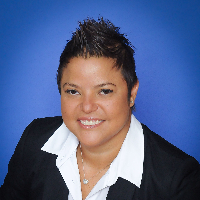
Florida · 21 yrs exp
Works with Stress, Anxiety / Addictions / LGBT +10
Works by Acceptance and Commitment Therapy (ACT) / Client-Centered Therapy
View Profile
Massachusetts · 25 yrs exp
Works with Stress, Anxiety / Addictions / Relationship +10
Works by Cognitive Behavioral Therapy (CBT) / Mindfulness Therapy
View Profile
Maryland · 6 yrs exp
Works with Stress, Anxiety / Trauma and abuse / Self esteem +11
Works by Attachment-Based Therapy / Client-Centered Therapy
View Profile
Florida · 23 yrs exp
Works with Stress, Anxiety / Addictions / Self esteem +11
Works by Client-Centered Therapy / Cognitive Behavioral Therapy (CBT)
View Profile
Maryland · 10 yrs exp
Works with Stress, Anxiety / Relationship / Family +13
Works by Client-Centered Therapy / Cognitive Behavioral Therapy (CBT)
View Profile
California · 12 yrs exp
Works with Stress, Anxiety / Family / Parenting +9
Works by Client-Centered Therapy / Cognitive Behavioral Therapy (CBT)
View Profile
New York · 25 yrs exp · 2 languages
Works with Stress, Anxiety / Addictions / Trauma and abuse +12
Works by Client-Centered Therapy / Cognitive Behavioral Therapy (CBT)
View Profile
New York · 5 yrs exp · 2 languages
Works with Stress, Anxiety / LGBT / Trauma and abuse +13
Works by Acceptance and Commitment Therapy (ACT) / Attachment-Based Therapy
View Profile
Michigan · 5 yrs exp
Works with Stress, Anxiety / Relationship / Family +13
Works by Acceptance and Commitment Therapy (ACT) / Cognitive Behavioral Therapy (CBT)
View Profile
Pennsylvania · 12 yrs exp
Works with Stress, Anxiety / Relationship / Self esteem +12
Works by Client-Centered Therapy / Cognitive Behavioral Therapy (CBT)
View Profile
Arizona · 6 yrs exp
Works with Stress, Anxiety / Relationship / Family +12
Works by Client-Centered Therapy / Cognitive Behavioral Therapy (CBT)
View Profile
Texas · 22 yrs exp
Works with Stress, Anxiety / Grief / Career +10
Works by Client-Centered Therapy / Cognitive Behavioral Therapy (CBT)
View Profile
Missouri · 16 yrs exp
Works with Stress, Anxiety / Trauma and abuse / Self esteem +13
Works by Client-Centered Therapy / Cognitive Behavioral Therapy (CBT)
View Profile
North Carolina · 10 yrs exp
Works with Stress, Anxiety / Relationship / Family +17
Works by Acceptance and Commitment Therapy (ACT) / Client-Centered Therapy
View ProfileCognitive Behavioral Therapy (CBT) is an evidence-informed approach that blends attention to thought patterns with practical behavior change. At its core, CBT is based on the idea that thoughts, emotions, and behaviors are interconnected - shifting one often influences the others. When you work in this model, you focus on identifying thinking styles that may be contributing to distress and on testing and replacing those patterns through new behaviors and experiments. The approach tends to be structured, time-limited, and focused on concrete goals you set with your therapist. Sessions usually include collaborative discussion and clear strategies you can practice between meetings, so you build skills that apply to daily life.
CBT emphasizes active participation. You are encouraged to notice automatic thoughts, question unhelpful assumptions, and try alternative responses. Therapists who list CBT among their approaches may use a range of techniques such as cognitive restructuring, behavioral activation, exposure exercises, and skills training, adapting them to your situation. The practical orientation is intended to help you develop tools that reduce distress and improve functioning in ways that are measurable and adaptable over time.
Cognitive Behavioral Therapy is commonly used to address a wide range of concerns that bring people to therapy. Many people seek CBT for anxiety-related difficulties, including generalized anxiety, panic, social anxiety, and specific fears. Depression and mood-related challenges are also commonly addressed through CBT by focusing on behavioral activation and restructuring negative thought patterns that maintain low mood. In addition to mood and anxiety, CBT techniques are often applied to obsessive thoughts and rituals, trauma-related distress, stress management, sleep problems, and chronic pain coping strategies.
Because CBT is skills-based, it is also frequently used when people want help changing habits and routines, improving problem-solving, or learning emotion regulation strategies. Therapists who list CBT among their approaches may tailor interventions to your age, cultural background, and life stage, and they often integrate CBT tools with attention to relationships, work demands, and physical health. If you have specific concerns related to performance, workplace stress, or interpersonal patterns, CBT techniques can be adapted to focus on those practical areas as well.
When you attend a CBT session, you can expect a collaborative and structured format. Early sessions often focus on assessment and setting clear, measurable goals. You and your therapist will likely agree on what to work on and how you will know progress is occurring. A session typically includes review of homework or practice from the previous week, discussion of current challenges, and introduction or rehearsal of specific techniques. Your therapist may guide you through cognitive reframing exercises to explore evidence for and against particular beliefs, or coach you through behavioral experiments designed to test assumptions in real-life situations.
Homework is a common component of CBT because the model emphasizes skill-building outside of sessions. Assignments might include thought records, activity schedules, exposure steps, or relaxation practice. The idea is that real-world practice helps you consolidate new ways of thinking and behaving. Sessions are usually time-limited and focused, but the pace and intensity will be adapted to your needs. If you prefer a more gradual approach, therapists who list CBT can often pace interventions to match where you are in your readiness for change.
CBT is distinct from other therapeutic approaches in its emphasis on present-focused problem solving, clear symptom-focused goals, and active skill practice. Unlike approaches that primarily focus on exploring early developmental history or unconscious processes, CBT generally concentrates on current patterns and practical strategies you can use now. This does not mean that life history is unimportant, but the central work tends to revolve around changing current thought-behavior cycles. Therapies that center on acceptance and mindfulness share some overlap with CBT, particularly in newer integrative forms, but CBT traditionally emphasizes direct modification of thoughts where acceptance-based approaches emphasize noticing and letting go of struggle with thoughts.
Compared with relationship-focused or humanistic models that prioritize exploring emotions and relational themes in a less directive way, CBT is more structured and directive. You will likely encounter clear agendas, measurable goals, and behavioral experiments as part of the process. That structure can be helpful if you prefer practical techniques and want to see concrete changes in daily functioning. Therapists who list CBT may blend elements from other approaches to match your preferences, creating a personalized path that fits your concerns and style.
CBT can be a good fit if you are interested in a practical, skills-oriented approach and want tools that you can practice between sessions. You might prefer CBT if you appreciate clear goals, structured sessions, and an emphasis on changing thought and behavior patterns that influence mood and functioning. People who are motivated to try homework assignments and to engage in experiments outside of sessions often find this model productive. That said, CBT is adaptable and can be tailored to different learning styles, cultural contexts, and life stages, and therapists who list CBT among their approaches will often describe how they integrate the model with other methods.
When you search for a therapist who lists CBT, focus on profiles that describe the therapist's areas of focus, credentials, languages spoken, and experience with particular populations or life challenges. Pay attention to whether they mention approaches that complement CBT, such as exposure-based work, behavioral activation, or acceptance strategies, if those match what you want. Consider reading short practitioner bios to get a sense of their therapeutic stance - whether they highlight collaboration, skills coaching, or a reflective exploratory style. While profiles do not document training in a specific modality, they do indicate the approaches a therapist uses with clients. Use that information alongside credentials and descriptions of populations served to find a therapist whose orientation and experience align with your goals.
Finally, think about practical preferences that affect fit - such as session length, language, cultural competence, and whether you want work focused on brief problem resolution or longer-term exploration. By focusing on approach, focus areas, credentials, languages, and direct experience, you can identify therapists who list CBT among their approaches and who may be well matched to the kind of work you want to do.
Alabama
356 therapists
Alaska
38 therapists
Arizona
324 therapists
Arkansas
179 therapists
Australia
619 therapists
California
2459 therapists
Colorado
531 therapists
Connecticut
217 therapists
Delaware
69 therapists
District of Columbia
65 therapists
Florida
2398 therapists
Georgia
872 therapists
Hawaii
90 therapists
Idaho
142 therapists
Illinois
794 therapists
Indiana
411 therapists
Iowa
112 therapists
Kansas
171 therapists
Kentucky
299 therapists
Louisiana
463 therapists
Maine
103 therapists
Maryland
421 therapists
Massachusetts
324 therapists
Michigan
792 therapists
Minnesota
304 therapists
Mississippi
240 therapists
Missouri
569 therapists
Montana
137 therapists
Nebraska
123 therapists
Nevada
134 therapists
New Hampshire
63 therapists
New Jersey
555 therapists
New Mexico
128 therapists
New York
1295 therapists
North Carolina
955 therapists
North Dakota
26 therapists
Ohio
576 therapists
Oklahoma
372 therapists
Oregon
177 therapists
Pennsylvania
807 therapists
Rhode Island
48 therapists
South Carolina
437 therapists
South Dakota
44 therapists
Tennessee
382 therapists
Texas
2519 therapists
United Kingdom
4241 therapists
Utah
224 therapists
Vermont
46 therapists
Virginia
516 therapists
Washington
326 therapists
West Virginia
75 therapists
Wisconsin
382 therapists
Wyoming
69 therapists