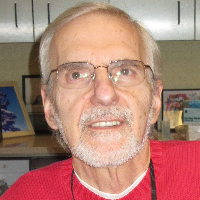
About Kenneth
Kenneth Catalanotte is a Licensed Clinical Social Worker (LCSW) with three decades of clinical experience. He focuses on practical, person-centered work to help people manage anxiety, stress, grief, and life transitions. Kenneth aims to create a straightforward, respectful space where clients lead the pace and goals of therapy.
He blends client-centered listening with cognitive behavioral tools to help people notice unhelpful thoughts and try different behaviors. He also draws on existential ideas to address life purpose and meaning when clients feel stuck.
Background and approach
Sessions tend to be conversational and goal-focused, with steps that can be used between meetings. Kenneth has supported people coping with trauma, abuse, relationship and intimacy concerns, addictions, and mood challenges such as depression and bipolar symptoms. He also works with common struggles like sleep problems, anger, career stress, and feelings of isolation or low self-worth.
Forgiveness and reconnecting with personal values are additional areas he explores with clients. In sessions he emphasizes collaboration and respect. He avoids telling people what to do and instead helps them weigh options and try practical changes.
Kenneth keeps language plain and focuses on skills a person can use in daily life. Clients who choose him can expect steady, experience-based guidance and a mix of listening, problem solving, and skill practice. He bases his approach on what each person needs and adjusts methods as goals evolve.
How therapeutic approaches translate to online care
Client-Centered Therapy focuses on listening and building trust so clients feel heard and respected. In this approach the therapist follows the client's concerns, reflects what is said, and helps people clarify their goals and choices. Cognitive Behavioral Therapy, or CBT, looks at the link between thoughts, emotions, and behaviors and gives practical exercises to test new ways of responding. CBT can be useful for anxiety, stress, sleep problems, and mood changes.Finding the right approach is part of the work. The therapist will talk with each person about their needs, goals, and preferences and then try methods that match those priorities. This is a collaborative process and the plan can change as progress is made or new issues come up.
Online sessions are offered by video calls, phone sessions, live chat, or text-based messaging to give flexibility. Video is useful for a fuller conversation and visual cues. Phone sessions work well when bandwidth is limited or a shorter check-in is needed. Live chat and text messaging let people send notes or brief updates between meetings and fit into busy schedules. These options make it easier to keep continuity of care and to use therapeutic tools in real time.
Questions people ask
What kinds of problems does this therapist help with?
How would you describe the therapy style here?
What experience does the therapist bring?
Where is the therapist licensed and based?
In which languages are sessions offered?
What formats are available for sessions?
How are fees and payment handled?
What are the first steps to begin therapy?
What this therapist works with
Most often
Also listed
- Addictions
- ADHD
- Anger management
- Bipolar disorder
- Career difficulties
- Compassion fatigue
- Coping with life changes
- Depression
- Eating disorders
- Family conflicts
- Forgiveness
- Intimacy-related issues
- Isolation / loneliness
- LGBT
- Life purpose
- Relationship issues
- Sleeping disorders
- Stress, Anxiety
Therapeutic approaches
- Experience
- 30 years
- Licensed
- Illinois
- Languages
- English
We will earn a commission if you sign up through our link, at no cost to you.