
Velma Jones, LCSW
New York · 29 yrs exp
Works with Stress, Anxiety / Relationship / Trauma and abuse +11
Works by Attachment-Based Therapy / Client-Centered Therapy
View ProfileSolution-Focused Therapy is a practical, goal-oriented approach that emphasizes building solutions and identifying strengths rather than focusing on problems. Below you can browse therapists who list this approach among their services and review profiles to learn more.
New York · 29 yrs exp
Works with Stress, Anxiety / Relationship / Trauma and abuse +11
Works by Attachment-Based Therapy / Client-Centered Therapy
View Profile
Oklahoma · 21 yrs exp
Works with Stress, Anxiety / Relationship / Family +9
Works by Client-Centered Therapy / Cognitive Behavioral Therapy (CBT)
View Profile
North Carolina · 25 yrs exp
Works with Stress, Anxiety / Relationship / Family +16
Works by Attachment-Based Therapy / Client-Centered Therapy
View Profile
Texas · 20 yrs exp
Works with Stress, Anxiety / LGBT / Relationship +17
Works by Acceptance and Commitment Therapy (ACT) / Cognitive Behavioral Therapy (CBT)
View Profile
Georgia · 20 yrs exp
Works with Stress, Anxiety / Addictions / Relationship +13
Works by Client-Centered Therapy / Cognitive Behavioral Therapy (CBT)
View Profile
North Carolina · 30 yrs exp · 2 languages
Works with Relationship / Parenting / Anger +6
Works by Cognitive Behavioral Therapy (CBT) / Mindfulness Therapy
View Profile
Florida · 16 yrs exp
Works with Stress, Anxiety / Relationship / Trauma and abuse +7
Works by Cognitive Behavioral Therapy (CBT) / Solution-Focused Therapy
View Profile
Michigan · 25 yrs exp
Works with Stress, Anxiety / LGBT / Relationship +11
Works by Attachment-Based Therapy / Cognitive Behavioral Therapy (CBT)
View Profile
Colorado · 19 yrs exp · 2 languages
Works with Stress, Anxiety / Relationship / Trauma and abuse +13
Works by Acceptance and Commitment Therapy (ACT) / Attachment-Based Therapy
View Profile
California · 14 yrs exp
Works with Stress, Anxiety / Relationship / Family +10
Works by Attachment-Based Therapy / Client-Centered Therapy
View Profile
Texas · 13 yrs exp
Works with Stress, Anxiety / Relationship / Trauma and abuse +12
Works by Attachment-Based Therapy / Client-Centered Therapy
View Profile
North Carolina · 21 yrs exp
Works with Stress, Anxiety / Grief / Eating +13
Works by Acceptance and Commitment Therapy (ACT) / Client-Centered Therapy
View Profile
Florida · 20 yrs exp · 2 languages
Works with Stress, Anxiety / Addictions / Relationship +17
Works by Acceptance and Commitment Therapy (ACT) / Attachment-Based Therapy
View Profile
Oregon · 17 yrs exp
Works with Stress, Anxiety / Anger / Self esteem +13
Works by Client-Centered Therapy / Cognitive Behavioral Therapy (CBT)
View Profile
Georgia · 10 yrs exp
Works with Stress, Anxiety / Grief / Self esteem +11
Works by Client-Centered Therapy / Cognitive Behavioral Therapy (CBT)
View Profile
New Jersey · 15 yrs exp
Works with Stress, Anxiety / Family / Trauma and abuse +11
Works by Cognitive Behavioral Therapy (CBT) / Psychodynamic Therapy
View Profile
New York · 24 yrs exp
Works with Stress, Anxiety / Relationship / Anger +13
Works by Client-Centered Therapy / Cognitive Behavioral Therapy (CBT)
View Profile
Maine · 12 yrs exp
Works with Stress, Anxiety / Self esteem / Depression +17
Works by Client-Centered Therapy / Cognitive Behavioral Therapy (CBT)
View Profile
Oregon · 26 yrs exp
Works with Stress, Anxiety / Trauma and abuse / Grief +11
Works by Acceptance and Commitment Therapy (ACT) / Attachment-Based Therapy
View Profile
Kansas · 12 yrs exp
Works with Stress, Anxiety / Relationship / Intimacy-related issues +14
Works by Client-Centered Therapy / Cognitive Behavioral Therapy (CBT)
View Profile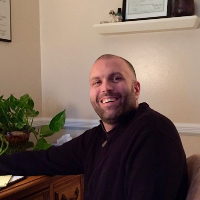
South Carolina · 14 yrs exp
Works with Stress, Anxiety / Parenting / Depression +15
Works by Client-Centered Therapy / Solution-Focused Therapy
View Profile
Pennsylvania · 15 yrs exp
Works with Stress, Anxiety / Addictions / Trauma and abuse +14
Works by Cognitive Behavioral Therapy (CBT) / Dialectical Behavior Therapy (DBT)
View Profile
Texas · 11 yrs exp
Works with Stress, Anxiety / Bipolar / Depression +3
Works by Client-Centered Therapy / Cognitive Behavioral Therapy (CBT)
View Profile
Kentucky · 18 yrs exp
Works with LGBT / Relationship / Family +15
Works by Attachment-Based Therapy / Client-Centered Therapy
View Profile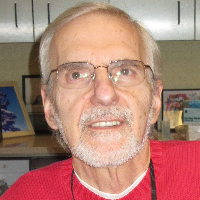
Illinois · 30 yrs exp
Works with Trauma and abuse / Grief / Self esteem +15
Works by Client-Centered Therapy / Cognitive Behavioral Therapy (CBT)
View Profile
Colorado · 15 yrs exp
Works with Stress, Anxiety / Relationship / Intimacy-related issues +11
Works by Acceptance and Commitment Therapy (ACT) / Attachment-Based Therapy
View Profile
Louisiana · 7 yrs exp
Works with Stress, Anxiety / Family / Trauma and abuse +16
Works by Acceptance and Commitment Therapy (ACT) / Attachment-Based Therapy
View Profile
North Carolina · 28 yrs exp
Works with Stress, Anxiety / Addictions / LGBT +13
Works by Client-Centered Therapy / Mindfulness Therapy
View Profile
Oklahoma · 7 yrs exp
Works with Stress, Anxiety / Relationship / Grief +9
Works by Client-Centered Therapy / Cognitive Behavioral Therapy (CBT)
View Profile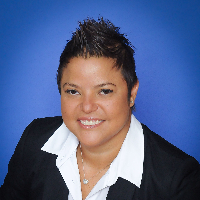
Florida · 21 yrs exp
Works with Stress, Anxiety / Addictions / LGBT +10
Works by Acceptance and Commitment Therapy (ACT) / Client-Centered Therapy
View Profile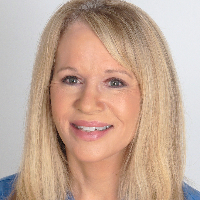
Massachusetts · 25 yrs exp
Works with Stress, Anxiety / Addictions / Relationship +10
Works by Cognitive Behavioral Therapy (CBT) / Mindfulness Therapy
View Profile
Maryland · 6 yrs exp
Works with Stress, Anxiety / Trauma and abuse / Self esteem +11
Works by Attachment-Based Therapy / Client-Centered Therapy
View Profile
Florida · 23 yrs exp
Works with Stress, Anxiety / Addictions / Self esteem +11
Works by Client-Centered Therapy / Cognitive Behavioral Therapy (CBT)
View Profile
New York · 25 yrs exp · 2 languages
Works with Stress, Anxiety / Addictions / Trauma and abuse +12
Works by Client-Centered Therapy / Cognitive Behavioral Therapy (CBT)
View Profile
New York · 5 yrs exp · 2 languages
Works with Stress, Anxiety / LGBT / Trauma and abuse +13
Works by Acceptance and Commitment Therapy (ACT) / Attachment-Based Therapy
View Profile
Michigan · 5 yrs exp
Works with Stress, Anxiety / Relationship / Family +13
Works by Acceptance and Commitment Therapy (ACT) / Cognitive Behavioral Therapy (CBT)
View Profile
Pennsylvania · 12 yrs exp
Works with Stress, Anxiety / Relationship / Self esteem +12
Works by Client-Centered Therapy / Cognitive Behavioral Therapy (CBT)
View Profile
Arizona · 6 yrs exp
Works with Stress, Anxiety / Relationship / Family +12
Works by Client-Centered Therapy / Cognitive Behavioral Therapy (CBT)
View Profile
Texas · 22 yrs exp
Works with Stress, Anxiety / Grief / Career +10
Works by Client-Centered Therapy / Cognitive Behavioral Therapy (CBT)
View Profile
Missouri · 16 yrs exp
Works with Stress, Anxiety / Trauma and abuse / Self esteem +13
Works by Client-Centered Therapy / Cognitive Behavioral Therapy (CBT)
View Profile
North Carolina · 10 yrs exp
Works with Stress, Anxiety / Relationship / Family +17
Works by Acceptance and Commitment Therapy (ACT) / Client-Centered Therapy
View Profile
Virginia · 9 yrs exp
Works with Stress, Anxiety / Relationship / Self esteem +8
Works by Client-Centered Therapy / Cognitive Behavioral Therapy (CBT)
View Profile
Texas · 6 yrs exp
Works with Stress, Anxiety / Relationship / Trauma and abuse +5
Works by Client-Centered Therapy / Cognitive Behavioral Therapy (CBT)
View Profile
New York · 11 yrs exp
Works with Stress, Anxiety / Grief / Self esteem +9
Works by Acceptance and Commitment Therapy (ACT) / Attachment-Based Therapy
View Profile
Missouri · 7 yrs exp
Works with Stress, Anxiety / Addictions / Relationship +14
Works by Client-Centered Therapy / Cognitive Behavioral Therapy (CBT)
View Profile
New York · 35 yrs exp
Works with Stress, Anxiety / Self esteem / Career +11
Works by Client-Centered Therapy / Mindfulness Therapy
View Profile
Louisiana · 10 yrs exp
Works with Stress, Anxiety / Relationship / Family +13
Works by Attachment-Based Therapy / Client-Centered Therapy
View Profile
Kentucky · 10 yrs exp
Works with Stress, Anxiety / Family / Self esteem +13
Works by Acceptance and Commitment Therapy (ACT) / Client-Centered Therapy
View ProfileSolution-Focused Therapy is a short-term, forward-looking approach that centers on clarifying where you want to go rather than dwelling on where you have been. It emerged from a desire to make therapy practical and efficient, privileging questions that uncover exceptions - times when a problem is less intense or absent - and goals that are concrete and observable. The core idea is that people already possess resources and abilities that can be mobilized to create meaningful change. In practice, therapists guide you to define small, achievable steps toward the outcomes you want, and then to build on the gains you notice.
The theoretical base of this approach is pragmatic: change can be achieved through incremental shifts in thought and behavior, and these shifts are reinforced by noticing and amplifying what works. Rather than attempting to trace the origins of difficulties in long historical accounts, the work focuses on the present and the near future. Questions about exceptions, scaling progress from zero to ten, and imagining a future in which the problem is diminished are all common techniques. This makes the approach accessible for people who prefer action-oriented sessions that produce tangible progress over weeks or months.
When you engage with this method, you will commonly hear the therapist ask about times when the situation was better, what you did differently then, and what small steps you might take next. The language emphasizes strengths, possibilities, and measurable change. This perspective can create momentum because it spotlights realistic improvements that you can test and refine between sessions. The overall goal is to help you develop a practical path forward that fits your life and priorities.
People turn to Solution-Focused Therapy for a wide range of concerns where clear, practical goals can be identified. You might pursue it for relationship concerns, stress related to work or school, recurring patterns of worry, or difficulties with motivation and habit change. Because the approach is focused on short-term goal attainment, it often appeals to those seeking to manage specific problems or make targeted improvements rather than exploring deep historical roots of distress.
The method is also often used in contexts such as couples work and family conversations, where small shifts in communication or behavior can ripple into larger improvements. For issues like anxiety symptoms, mood fluctuations, workplace stress, or transitions such as starting a new job or adjusting to life changes, the emphasis on practical strategies and measurable steps can be useful. You should expect the work to be collaborative - you and your therapist will define what success looks like and track progress together. That said, Solution-Focused Therapy is not limited to minor issues; some people use it alongside other supports to manage ongoing challenges by breaking them into actionable goals.
There are situations where a long-term, exploratory approach may be more appropriate. If you are seeking in-depth exploration of developmental history or complex trauma narratives, other methods might address those needs more directly. However, some people combine the short-term focus of Solution-Focused Therapy with other approaches over time, moving between strategies as priorities change.
A typical session in this approach is structured around clear questions and quick application. You can expect your therapist to begin by asking what you hope to accomplish or how you will know a session was helpful. Early sessions often include a question that invites you to imagine waking up tomorrow and finding the problem significantly reduced - what would be different? From that vision, you and your therapist identify small, concrete next steps you might try.
Sessions tend to be collaborative and directive, with attention to concrete behaviors and outcomes. Your therapist will check in on what you tried since the last session, what worked, and what barriers you encountered. The emphasis is on what you are already doing that supports your goal and how to do more of it. Measurement is often informal - you may use a scaling question to rate the degree of progress on a scale from zero to ten, and then discuss what would move you one point up. Homework between sessions typically involves experimenting with new behaviors or ways of thinking and observing any differences.
Pacing is generally brisk. Sessions are designed to yield incremental improvements rather than lengthy deconstruction of past events. This can be liberating if you prefer active problem solving and want tangible outcomes in a defined timeframe. Over several sessions you will likely refine goals and expand on strategies that show promise, allowing progress to build in a practical, measurable way.
Solution-Focused Therapy contrasts with many traditional therapies in its emphasis on the future and on solutions rather than problems. Where some approaches dedicate time to understanding the origins of a difficulty, this method intentionally minimizes historical exploration to allocate energy toward building change. Cognitive-behavioral approaches share a focus on present symptoms and strategies, but Solution-Focused Therapy tends to be less about restructuring thought patterns and more about identifying and amplifying actions and exceptions that already work.
Compared with insight-oriented therapies, the work is more pragmatic and shorter in duration. The therapist's role often includes providing structured questions and exercises that help you generate and test small changes. There is also an orientation toward client expertise - you are seen as the person with the best sense of what will work in your life. This collaborative stance positions the therapist as a facilitator of your solutions rather than as an interpreter of unconscious material.
The method is frequently combined with other approaches depending on need. You may find therapists who list Solution-Focused Therapy among their approaches and also use cognitive tools, skills training, or systems-oriented perspectives in their work. That blend can allow the immediacy of solution-building to sit alongside targeted interventions when deeper skills or insights are helpful.
Solution-Focused Therapy tends to suit people who want a practical, time-efficient path toward specific changes. If you prefer goal-driven conversations, enjoy experimenting with new behaviors, and want measurable progress, you may find this approach aligns with your style. It also fits well when there are clear, discrete issues to address - improving communication in a relationship, reducing a specific pattern of avoidance, or making progress on a life transition, for example. That said, many people use it as part of a broader plan of support, tailoring the pace and focus to their needs.
When searching for a therapist who uses this approach, look for profiles that describe a collaborative, goal-oriented style and mention solution-focused methods among their approaches. Pay attention to areas of focus listed by therapists - such as work stress, relationships, or anxiety - and consider how those align with your priorities. It is helpful to read about therapists' stated approaches, experience, and languages to find a good match for how you like to work. Some therapists include short descriptions of what sessions typically involve, which can give you a sense of whether their style emphasizes practical steps and short-term strategies.
Before reaching out, think about what you hope to accomplish and what a successful outcome would look like for you. Having a few concrete goals can make initial conversations more efficient and give a therapist a clear sense of how they might work with you. You can ask about how they structure sessions, what kinds of questions they use, and whether they often set specific tasks between meetings. That information will help you determine whether a solution-focused path is likely to align with your expectations.
Overall, Solution-Focused Therapy offers a practical framework for making forward progress by building on strengths and small wins. If you are seeking an approach that emphasizes actionable goals and measurable change, browsing therapists who list this approach on Anxiety Insights can help you find professionals whose stated methods and focus areas fit your needs.
Alabama
356 therapists
Alaska
38 therapists
Arizona
324 therapists
Arkansas
179 therapists
Australia
619 therapists
California
2459 therapists
Colorado
531 therapists
Connecticut
217 therapists
Delaware
69 therapists
District of Columbia
65 therapists
Florida
2398 therapists
Georgia
872 therapists
Hawaii
90 therapists
Idaho
142 therapists
Illinois
794 therapists
Indiana
411 therapists
Iowa
112 therapists
Kansas
171 therapists
Kentucky
299 therapists
Louisiana
463 therapists
Maine
103 therapists
Maryland
421 therapists
Massachusetts
324 therapists
Michigan
792 therapists
Minnesota
304 therapists
Mississippi
240 therapists
Missouri
569 therapists
Montana
137 therapists
Nebraska
123 therapists
Nevada
134 therapists
New Hampshire
63 therapists
New Jersey
555 therapists
New Mexico
128 therapists
New York
1295 therapists
North Carolina
955 therapists
North Dakota
26 therapists
Ohio
576 therapists
Oklahoma
372 therapists
Oregon
177 therapists
Pennsylvania
807 therapists
Rhode Island
48 therapists
South Carolina
437 therapists
South Dakota
44 therapists
Tennessee
382 therapists
Texas
2519 therapists
United Kingdom
4241 therapists
Utah
224 therapists
Vermont
46 therapists
Virginia
516 therapists
Washington
326 therapists
West Virginia
75 therapists
Wisconsin
382 therapists
Wyoming
69 therapists