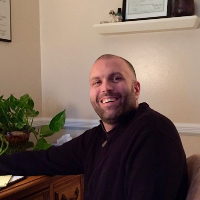
About Michael
Michael Pfisterer is a licensed clinical social worker who helps people manage anxiety and other concerns. He focuses on finding practical steps clients can use right away. Michael emphasizes strengths and clear goals so people can see progress early on.
He begins by listening to each person's story and identifying what already works for them. From there he helps set short-term steps and longer-term goals. The work is collaborative and paced to fit a person's life and responsibilities.
Background and approach
Michael uses a blend of client-centered and solution-focused methods to guide sessions. That means conversations concentrate on current needs, realistic actions, and building on strengths rather than long, abstract explanations. These tools are often useful for stress, panic, mood shifts, and the fallout from trauma or life transitions.
He has practiced in a range of settings over 14 years and has experience supporting people with developmental differences, addiction concerns, and relationship strain. Michael describes therapy as a place to practice new approaches and build routines that support daily life. Michael lives in South Carolina with his wife, daughters, and two dogs.
He aims to help clients match their actions to their goals so they can move forward with less overwhelm.
Approaches that guide online sessions
Client-Centered Therapy focuses on listening and working from each person's perspective. The therapist helps people name their goals and supports them as they try new behaviors that feel manageable. This approach suits anyone who wants a collaborative, respectful conversation about current struggles.Solution-Focused Therapy concentrates on small, practical steps that lead to change. Sessions identify what is already working and build short-term tasks to reach clearer outcomes. It can be especially helpful for anxiety, stress, panic, and getting through life transitions.
Finding the right approach is part of the work together. The therapist will discuss goals, preferences, and what feels most useful. Treatment is adjusted over time so methods match changing needs and progress.
Online sessions are offered by video calls, phone sessions, live chat, or text-based messaging to make therapy fit into busy lives. Video allows face-to-face conversation, phone can be easier when bandwidth is limited, and messaging is useful for brief check-ins or ongoing support between meetings. These options make it possible to schedule therapy around work, family, or travel while keeping the focus on practical steps and steady progress.
Questions people ask
What issues does Michael help with?
What is his approach to therapy?
How long has he been practicing?
What credentials and location should I know about?
Can I work with him if I live outside the United States?
Which session formats are available?
How does payment and cost work?
What are the first steps to begin therapy?
What this therapist works with
Most often
- Stress, Anxiety
- Parenting issues
- Depression
Also listed
- Addictions
- Anger management
- Autism and Asperger Syndrome
- Bipolar disorder
- Career difficulties
- Codependency
- Compassion fatigue
- Coping with life changes
- Drug and alcohol addiction
- Eating disorders
- Family conflicts
- Grief
- Impulsivity
- Intellectual disability
- Intimacy-related issues
- LGBT
- Life purpose
- Mood disorders
- Panic disorder and panic attacks
- Polyamory / non-monogamous relationships
- Relationship issues
- Seasonal Affective Disorder (SAD)
- Self esteem
- Sleeping disorders
- Smoking / vaping cessation
- Social anxiety and phobia
- Trauma and abuse
- Young adult issues
Therapeutic approaches
- Experience
- 14 years
- Licensed
- New York, South Carolina, Nevada
- Languages
- English
We will earn a commission if you sign up through our link, at no cost to you.