
Velma Jones, LCSW
New York · 29 yrs exp
Works with Stress, Anxiety / Relationship / Trauma and abuse +11
Works by Attachment-Based Therapy / Client-Centered Therapy
View ProfileBrowse therapist profiles focused on addictions to learn about approaches, credentials, languages, and areas of focus. Use the listings below to explore therapists who work with substance use, behavioral addictions, and recovery-related concerns.
New York · 29 yrs exp
Works with Stress, Anxiety / Relationship / Trauma and abuse +11
Works by Attachment-Based Therapy / Client-Centered Therapy
View Profile
Oklahoma · 21 yrs exp
Works with Stress, Anxiety / Relationship / Family +9
Works by Client-Centered Therapy / Cognitive Behavioral Therapy (CBT)
View Profile
North Carolina · 25 yrs exp
Works with Stress, Anxiety / Relationship / Family +16
Works by Attachment-Based Therapy / Client-Centered Therapy
View Profile
Texas · 30 yrs exp
Works with Stress, Anxiety / Addictions / Anger +14
Works by Cognitive Behavioral Therapy (CBT) / Mindfulness Therapy
View Profile
Texas · 20 yrs exp
Works with Stress, Anxiety / LGBT / Relationship +17
Works by Acceptance and Commitment Therapy (ACT) / Cognitive Behavioral Therapy (CBT)
View Profile
Louisiana · 15 yrs exp
Works with Stress, Anxiety / Relationship / Family +13
Works by Acceptance and Commitment Therapy (ACT) / Attachment-Based Therapy
View Profile
Georgia · 20 yrs exp
Works with Stress, Anxiety / Addictions / Relationship +13
Works by Client-Centered Therapy / Cognitive Behavioral Therapy (CBT)
View Profile
Florida · 16 yrs exp
Works with Stress, Anxiety / Relationship / Trauma and abuse +7
Works by Cognitive Behavioral Therapy (CBT) / Solution-Focused Therapy
View Profile
Colorado · 19 yrs exp · 2 languages
Works with Stress, Anxiety / Relationship / Trauma and abuse +13
Works by Acceptance and Commitment Therapy (ACT) / Attachment-Based Therapy
View Profile
California · 14 yrs exp
Works with Stress, Anxiety / Relationship / Family +10
Works by Attachment-Based Therapy / Client-Centered Therapy
View Profile
Texas · 13 yrs exp
Works with Stress, Anxiety / Relationship / Trauma and abuse +12
Works by Attachment-Based Therapy / Client-Centered Therapy
View Profile
Florida · 20 yrs exp · 2 languages
Works with Stress, Anxiety / Addictions / Relationship +17
Works by Acceptance and Commitment Therapy (ACT) / Attachment-Based Therapy
View Profile
Missouri · 23 yrs exp
Works with Stress, Anxiety / Addictions / Trauma and abuse +11
Works by Client-Centered Therapy / Cognitive Behavioral Therapy (CBT)
View Profile
Oregon · 17 yrs exp
Works with Stress, Anxiety / Anger / Self esteem +13
Works by Client-Centered Therapy / Cognitive Behavioral Therapy (CBT)
View Profile
Georgia · 19 yrs exp
Works with Stress, Anxiety / Relationship / Family +8
View Profile
New Jersey · 15 yrs exp
Works with Stress, Anxiety / Family / Trauma and abuse +11
Works by Cognitive Behavioral Therapy (CBT) / Psychodynamic Therapy
View Profile
New York · 24 yrs exp
Works with Stress, Anxiety / Relationship / Anger +13
Works by Client-Centered Therapy / Cognitive Behavioral Therapy (CBT)
View Profile
Maine · 12 yrs exp
Works with Stress, Anxiety / Self esteem / Depression +17
Works by Client-Centered Therapy / Cognitive Behavioral Therapy (CBT)
View Profile
Illinois · 32 yrs exp
Works with Stress, Anxiety / Addictions / Relationship +10
View Profile
New York · 13 yrs exp
Works with Relationship / Trauma and abuse / Grief +10
Works by Client-Centered Therapy / Cognitive Behavioral Therapy (CBT)
View Profile
Kansas · 12 yrs exp
Works with Stress, Anxiety / Relationship / Intimacy-related issues +14
Works by Client-Centered Therapy / Cognitive Behavioral Therapy (CBT)
View Profile
South Carolina · 14 yrs exp
Works with Stress, Anxiety / Parenting / Depression +15
Works by Client-Centered Therapy / Solution-Focused Therapy
View Profile
Pennsylvania · 15 yrs exp
Works with Stress, Anxiety / Addictions / Trauma and abuse +14
Works by Cognitive Behavioral Therapy (CBT) / Dialectical Behavior Therapy (DBT)
View Profile
Georgia · 8 yrs exp
Works with Stress, Anxiety / Relationship / Family +12
Works by Client-Centered Therapy / Cognitive Behavioral Therapy (CBT)
View Profile
Illinois · 30 yrs exp
Works with Trauma and abuse / Grief / Self esteem +15
Works by Client-Centered Therapy / Cognitive Behavioral Therapy (CBT)
View Profile
Colorado · 15 yrs exp
Works with Stress, Anxiety / Relationship / Intimacy-related issues +11
Works by Acceptance and Commitment Therapy (ACT) / Attachment-Based Therapy
View Profile
Louisiana · 7 yrs exp
Works with Stress, Anxiety / Family / Trauma and abuse +16
Works by Acceptance and Commitment Therapy (ACT) / Attachment-Based Therapy
View Profile
North Carolina · 28 yrs exp
Works with Stress, Anxiety / Addictions / LGBT +13
Works by Client-Centered Therapy / Mindfulness Therapy
View Profile
Florida · 25 yrs exp · 2 languages
Works with Relationship / Trauma and abuse / Grief +13
Works by Client-Centered Therapy / Eye Movement Desensitization and Reprocessing (EMDR)
View Profile
New Jersey · 5 yrs exp
Works with Stress, Anxiety / Relationship / Family +13
Works by Client-Centered Therapy / Cognitive Behavioral Therapy (CBT)
View Profile
Florida · 21 yrs exp
Works with Stress, Anxiety / Addictions / LGBT +10
Works by Acceptance and Commitment Therapy (ACT) / Client-Centered Therapy
View Profile
Massachusetts · 25 yrs exp
Works with Stress, Anxiety / Addictions / Relationship +10
Works by Cognitive Behavioral Therapy (CBT) / Mindfulness Therapy
View Profile
Maryland · 6 yrs exp
Works with Stress, Anxiety / Trauma and abuse / Self esteem +11
Works by Attachment-Based Therapy / Client-Centered Therapy
View Profile
Florida · 23 yrs exp
Works with Stress, Anxiety / Addictions / Self esteem +11
Works by Client-Centered Therapy / Cognitive Behavioral Therapy (CBT)
View Profile
Maryland · 10 yrs exp
Works with Stress, Anxiety / Relationship / Family +13
Works by Client-Centered Therapy / Cognitive Behavioral Therapy (CBT)
View Profile
New York · 25 yrs exp · 2 languages
Works with Stress, Anxiety / Addictions / Trauma and abuse +12
Works by Client-Centered Therapy / Cognitive Behavioral Therapy (CBT)
View Profile
New York · 5 yrs exp · 2 languages
Works with Stress, Anxiety / LGBT / Trauma and abuse +13
Works by Acceptance and Commitment Therapy (ACT) / Attachment-Based Therapy
View Profile
Michigan · 5 yrs exp
Works with Stress, Anxiety / Relationship / Family +13
Works by Acceptance and Commitment Therapy (ACT) / Cognitive Behavioral Therapy (CBT)
View Profile
Pennsylvania · 12 yrs exp
Works with Stress, Anxiety / Relationship / Self esteem +12
Works by Client-Centered Therapy / Cognitive Behavioral Therapy (CBT)
View Profile
Missouri · 16 yrs exp
Works with Stress, Anxiety / Trauma and abuse / Self esteem +13
Works by Client-Centered Therapy / Cognitive Behavioral Therapy (CBT)
View Profile
North Carolina · 10 yrs exp
Works with Stress, Anxiety / Relationship / Family +17
Works by Acceptance and Commitment Therapy (ACT) / Client-Centered Therapy
View Profile
Virginia · 9 yrs exp
Works with Stress, Anxiety / Relationship / Self esteem +8
Works by Client-Centered Therapy / Cognitive Behavioral Therapy (CBT)
View Profile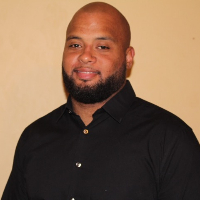
Florida · 8 yrs exp
Works with Stress, Anxiety / Relationship / Family +13
View Profile
Missouri · 7 yrs exp
Works with Stress, Anxiety / Addictions / Relationship +14
Works by Client-Centered Therapy / Cognitive Behavioral Therapy (CBT)
View Profile
Louisiana · 10 yrs exp
Works with Stress, Anxiety / Relationship / Family +13
Works by Attachment-Based Therapy / Client-Centered Therapy
View Profile
New York · 9 yrs exp
Works with Stress, Anxiety / Anger / Self esteem +14
Works by Acceptance and Commitment Therapy (ACT) / Client-Centered Therapy
View Profile
Oregon · 32 yrs exp
Works with Stress, Anxiety / Relationship / Trauma and abuse +10
View Profile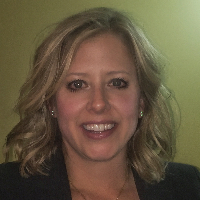
Kentucky · 10 yrs exp
Works with Stress, Anxiety / Family / Self esteem +13
Works by Acceptance and Commitment Therapy (ACT) / Client-Centered Therapy
View ProfileAddictions can involve compulsive patterns of behavior or repeated use of substances that feel difficult to control despite negative consequences. For some people this centers on alcohol or drugs, while for others it involves behaviors such as gambling, shopping, gaming, or sexual activity. Addiction often affects more than the area of direct use - it can shape relationships, work or school performance, sleep and appetite, and general interest in activities you once enjoyed. You may find that thoughts about the substance or behavior take up a lot of mental energy and that attempts to cut back lead to stress, irritability, or a sense of loss.
People experience addictions differently. For some, the pattern develops quickly after a stressful life event. For others, it emerges gradually as habits intensify over months or years. Social and cultural factors, genetics, co-occurring mental health concerns such as anxiety or depression, and access to substances or activities all play a role. While the word addiction is widely used, clinicians may describe these patterns as substance use disorders or behavioral addictions depending on the context and specific diagnostic frameworks. Whatever the label, the practical effect is similar: these patterns can interfere with your goals and well-being, and many people seek therapeutic help to regain balance.
There is no single threshold that dictates when to look for therapy, but there are common signals that suggest outside support could be helpful. You might notice an increase in secrecy, arguments with family or friends about your behavior, missed obligations at work or school, or financial strain related to spending or substance use. You may find that you use a substance or behavior to cope with emotions more often than you intend, or that cravings become stronger and more frequent. Withdrawal symptoms or repeated unsuccessful attempts to cut back are also important signs that the pattern has become difficult to manage on your own.
Therapy can be appropriate whether you are looking to stop completely, reduce harm, regain control, or address underlying issues that fuel the pattern. If you have co-occurring symptoms such as persistent low mood, panic, trauma-related memories, or sleep disruption, a therapist can help you address those alongside addictive behavior. Bringing a readiness to reflect and try new strategies helps, but you do not need to have all the answers before reaching out. Many people find therapy helpful even when their goals are uncertain or they feel ambivalent about change.
Therapy for addictions often begins with assessment and collaborative goal-setting. In early sessions you and a therapist will typically explore your history with the substance or behavior, patterns around use, triggers, and the effects on daily life. This helps create a tailored plan that can include short-term safety strategies, coping skills, relapse prevention planning, and exploration of underlying emotional factors. Sessions may balance practical problem-solving with deeper work on beliefs, relationships, or past experiences that contribute to the pattern.
The pace of therapy varies with the goals you set. Some people prioritize immediate harm-reduction steps such as managing withdrawal risks or reducing risky situations. Others focus on long-term behavioral change, building a network of supports, or addressing trauma and mood symptoms that maintain use. Expect a mix of skill teaching, reflective conversation, and structured exercises. Therapists often help you track progress and adjust strategies as circumstances change. Because addiction commonly affects many areas of life, therapy may also involve coordination with medical providers, family therapies, or community resources when appropriate.
Therapists use a range of approaches when working with addictions, and many draw on more than one framework. Cognitive behavioral approaches emphasize identifying thought and behavior patterns that maintain use and practicing alternative coping strategies. Motivational approaches focus on resolving ambivalence and strengthening your own reasons for change so you can move toward goals at a sustainable pace. Family-oriented work looks at relational patterns and how support systems can be mobilized to support recovery. Some therapists describe using mindfulness-based methods to increase awareness of cravings and reduce reactive responses.
Other approaches you may encounter include therapies that address trauma-related experiences, since difficult life events can contribute to the development and persistence of addictive behaviors. There are also therapists who list specific modalities such as EMDR among their approaches; when you see that language, it means they include that approach in their practice descriptions rather than indicating formal certification. Likewise, you may find therapists who list contingency management strategies, relapse prevention, or behavioral activation as part of their approach. It can be helpful to read therapist descriptions to understand which strategies they emphasize and how they frame goals for change.
Online therapy has become a common way to work on addictions-related issues. Video sessions let you meet with a therapist from your home or another comfortable setting, while some therapists also offer phone sessions or messaging for additional check-ins. In the context of addiction work, online therapy can make it easier to access clinicians who specialize in specific areas, languages, or cultural perspectives that matter to you. It also allows you to continue treatment if geography, mobility, or scheduling would otherwise be barriers.
When choosing a therapist for addictions, consider the match between the therapist's described approaches and your goals. Look for descriptions that mention the issues you want to address, such as substance use, gambling, or behavioral concerns, and note any populations they highlight if that matters to you. Pay attention to whether they note coordination with medical providers or community programs if you expect to need referrals. You may value a therapist who lists approaches you resonate with - for example, cognitive behavioral strategies for skill-building, motivational work for ambivalence, or trauma-informed methods if past events are relevant. Remember that a therapist listing an approach is a description of their practice, not a guarantee of a particular outcome.
It can also help to consider practical factors described in profiles such as languages spoken, years of experience with certain populations, and whether they mention working with co-occurring mental health concerns. Think about the kind of therapeutic relationship that feels most supportive to you - collaborative and practical, reflective and exploratory, or structured and skills-focused - and seek profiles that describe that orientation. Finally, plan to use initial sessions to assess fit: your experience of being heard, understood, and able to set meaningful goals is a strong indicator of whether a particular therapist is a good match for your needs.
Alabama
356 therapists
Alaska
38 therapists
Arizona
324 therapists
Arkansas
179 therapists
Australia
619 therapists
California
2459 therapists
Colorado
531 therapists
Connecticut
217 therapists
Delaware
69 therapists
District of Columbia
65 therapists
Florida
2398 therapists
Georgia
872 therapists
Hawaii
90 therapists
Idaho
142 therapists
Illinois
794 therapists
Indiana
411 therapists
Iowa
112 therapists
Kansas
171 therapists
Kentucky
299 therapists
Louisiana
463 therapists
Maine
103 therapists
Maryland
421 therapists
Massachusetts
324 therapists
Michigan
792 therapists
Minnesota
304 therapists
Mississippi
240 therapists
Missouri
569 therapists
Montana
137 therapists
Nebraska
123 therapists
Nevada
134 therapists
New Hampshire
63 therapists
New Jersey
555 therapists
New Mexico
128 therapists
New York
1295 therapists
North Carolina
955 therapists
North Dakota
26 therapists
Ohio
576 therapists
Oklahoma
372 therapists
Oregon
177 therapists
Pennsylvania
807 therapists
Rhode Island
48 therapists
South Carolina
437 therapists
South Dakota
44 therapists
Tennessee
382 therapists
Texas
2519 therapists
United Kingdom
4241 therapists
Utah
224 therapists
Vermont
46 therapists
Virginia
516 therapists
Washington
326 therapists
West Virginia
75 therapists
Wisconsin
382 therapists
Wyoming
69 therapists