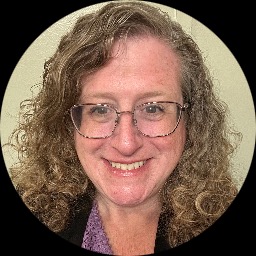
About Margaret
Margaret Paine is a Licensed Professional Counselor and Licensed Mental Health Counselor who helps adults facing stress, anxiety, depression, grief, and related struggles. She focuses on building self-esteem and self-compassion so people can feel steadier in daily life. Her manner is warm and non-judgmental, aimed at practical steps that fit each person’s situation.
She draws on cognitive behavioral methods to spot and shift unhelpful thinking patterns. She also uses Acceptance and Commitment Therapy ideas to help people act in line with what matters to them, even when emotions are strong.
Background and approach
Motivational Interviewing helps when change feels hard or uncertain. Margaret has nine years of clinical experience and practices in New York. Her background includes work in community mental health settings supporting people through trauma, caregiver fatigue, substance use concerns, and life transitions.
She holds LPC and LMHC credentials that are noted for her practice. In sessions she focuses on clear goals and simple skills you can use between meetings. Conversations are collaborative - she helps people name priorities and try small, manageable steps toward them.
She also pays attention to relationships, communication challenges, and social anxiety when those issues come up. Therapy with her can include video calls, phone sessions, live chat, or text messaging depending on what fits your life. She encourages people to take the first step by completing a short matching questionnaire and then scheduling a time to talk.
How her approaches translate to online therapy
Acceptance and Commitment Therapy (ACT) helps people notice difficult thoughts and feelings without getting stuck, then take values-based actions. It’s useful for anxiety, avoidance, and coping with life changes. Cognitive Behavioral Therapy (CBT) focuses on identifying unhelpful thoughts and testing them with practical exercises to reduce symptoms like anxiety and low mood. Motivational Interviewing is a collaborative way to explore ambivalence and build commitment to change, which can help with addictions and behavior shifts.Finding the right approach is part of the work. The therapist will collaborate with each person to choose techniques that match their goals and preferences. Sessions can combine elements from different methods so the plan fits the issue and what feels doable.
Online therapy offers flexible ways to connect. Video calls let people meet face-to-face when a longer session or visual cues matter. Phone sessions can be easier when bandwidth is limited or for brief check-ins. Live chat and text messaging work well for quick support, reminders, or when writing out thoughts helps more than speaking. These options make it easier to fit counseling into a busy day and try tools between sessions.
Questions people ask
What concerns does she commonly help with?
What is her therapeutic style like?
How much clinical experience does she have?
What credentials and location apply to her practice?
Which languages are supported for sessions?
Can people outside the country work with her?
What session formats are available?
How do fees and scheduling work?
What this therapist works with
Most often
- Stress, Anxiety
- Anger management
- Self esteem
Also listed
- Addictions
- ADHD
- Bipolar disorder
- Career difficulties
- Caregiver issues and stress
- Communication problems
- Compassion fatigue
- Coping with life changes
- Depression
- Eating disorders
- Family conflicts
- Forgiveness
- Grief
- Guilt and shame
- Isolation / loneliness
- LGBT
- Life purpose
- Parenting issues
- Relationship issues
- Self-love
- Social anxiety and phobia
- Trauma and abuse
Therapeutic approaches
- Experience
- 9 years
- Licensed
- New York, North Carolina, South Carolina
- Languages
- English
We will earn a commission if you sign up through our link, at no cost to you.