
Audrey Kelly, LMFT
Oklahoma · 21 yrs exp
Works with Stress, Anxiety / Relationship / Family +9
Works by Client-Centered Therapy / Cognitive Behavioral Therapy (CBT)
View ProfileThis page highlights therapists who work with forgiveness, whether you are processing harm from others or struggling with self-forgiveness. Browse the listings below to compare therapists by approach, credentials, languages, and focus areas.
Oklahoma · 21 yrs exp
Works with Stress, Anxiety / Relationship / Family +9
Works by Client-Centered Therapy / Cognitive Behavioral Therapy (CBT)
View Profile
Texas · 30 yrs exp
Works with Stress, Anxiety / Addictions / Anger +14
Works by Cognitive Behavioral Therapy (CBT) / Mindfulness Therapy
View Profile
Louisiana · 15 yrs exp
Works with Stress, Anxiety / Relationship / Family +13
Works by Acceptance and Commitment Therapy (ACT) / Attachment-Based Therapy
View Profile
Florida · 16 yrs exp
Works with Stress, Anxiety / Relationship / Trauma and abuse +7
Works by Cognitive Behavioral Therapy (CBT) / Solution-Focused Therapy
View Profile
Michigan · 25 yrs exp
Works with Stress, Anxiety / LGBT / Relationship +11
Works by Attachment-Based Therapy / Cognitive Behavioral Therapy (CBT)
View Profile
Colorado · 19 yrs exp · 2 languages
Works with Stress, Anxiety / Relationship / Trauma and abuse +13
Works by Acceptance and Commitment Therapy (ACT) / Attachment-Based Therapy
View Profile
California · 14 yrs exp
Works with Stress, Anxiety / Relationship / Family +10
Works by Attachment-Based Therapy / Client-Centered Therapy
View Profile
Texas · 13 yrs exp
Works with Stress, Anxiety / Relationship / Trauma and abuse +12
Works by Attachment-Based Therapy / Client-Centered Therapy
View Profile
North Carolina · 21 yrs exp
Works with Stress, Anxiety / Grief / Eating +13
Works by Acceptance and Commitment Therapy (ACT) / Client-Centered Therapy
View Profile
Florida · 20 yrs exp · 2 languages
Works with Stress, Anxiety / Addictions / Relationship +17
Works by Acceptance and Commitment Therapy (ACT) / Attachment-Based Therapy
View Profile
Georgia · 19 yrs exp
Works with Stress, Anxiety / Relationship / Family +8
View Profile
New York · 24 yrs exp
Works with Stress, Anxiety / Relationship / Anger +13
Works by Client-Centered Therapy / Cognitive Behavioral Therapy (CBT)
View Profile
New York · 13 yrs exp
Works with Relationship / Trauma and abuse / Grief +10
Works by Client-Centered Therapy / Cognitive Behavioral Therapy (CBT)
View Profile
Mississippi · 16 yrs exp
Works with Stress, Anxiety / Relationship / Family +7
Works by Cognitive Behavioral Therapy (CBT) / Gottman Method
View Profile
Oregon · 26 yrs exp
Works with Stress, Anxiety / Trauma and abuse / Grief +11
Works by Acceptance and Commitment Therapy (ACT) / Attachment-Based Therapy
View Profile
Kansas · 12 yrs exp
Works with Stress, Anxiety / Relationship / Intimacy-related issues +14
Works by Client-Centered Therapy / Cognitive Behavioral Therapy (CBT)
View Profile
Texas · 11 yrs exp
Works with Stress, Anxiety / Bipolar / Depression +3
Works by Client-Centered Therapy / Cognitive Behavioral Therapy (CBT)
View Profile
Georgia · 8 yrs exp
Works with Stress, Anxiety / Relationship / Family +12
Works by Client-Centered Therapy / Cognitive Behavioral Therapy (CBT)
View Profile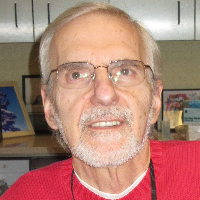
Illinois · 30 yrs exp
Works with Trauma and abuse / Grief / Self esteem +15
Works by Client-Centered Therapy / Cognitive Behavioral Therapy (CBT)
View Profile
Colorado · 15 yrs exp
Works with Stress, Anxiety / Relationship / Intimacy-related issues +11
Works by Acceptance and Commitment Therapy (ACT) / Attachment-Based Therapy
View Profile
Florida · 25 yrs exp · 2 languages
Works with Relationship / Trauma and abuse / Grief +13
Works by Client-Centered Therapy / Eye Movement Desensitization and Reprocessing (EMDR)
View Profile
New Jersey · 5 yrs exp
Works with Stress, Anxiety / Relationship / Family +13
Works by Client-Centered Therapy / Cognitive Behavioral Therapy (CBT)
View Profile
Oklahoma · 7 yrs exp
Works with Stress, Anxiety / Relationship / Grief +9
Works by Client-Centered Therapy / Cognitive Behavioral Therapy (CBT)
View Profile
Maryland · 10 yrs exp
Works with Stress, Anxiety / Relationship / Family +13
Works by Client-Centered Therapy / Cognitive Behavioral Therapy (CBT)
View Profile
New York · 25 yrs exp · 2 languages
Works with Stress, Anxiety / Addictions / Trauma and abuse +12
Works by Client-Centered Therapy / Cognitive Behavioral Therapy (CBT)
View Profile
Alaska · 26 yrs exp
Works with Stress, Anxiety
View Profile
Michigan · 5 yrs exp
Works with Stress, Anxiety / Relationship / Family +13
Works by Acceptance and Commitment Therapy (ACT) / Cognitive Behavioral Therapy (CBT)
View Profile
Pennsylvania · 12 yrs exp
Works with Stress, Anxiety / Relationship / Self esteem +12
Works by Client-Centered Therapy / Cognitive Behavioral Therapy (CBT)
View Profile
Arizona · 6 yrs exp
Works with Stress, Anxiety / Relationship / Family +12
Works by Client-Centered Therapy / Cognitive Behavioral Therapy (CBT)
View Profile
Texas · 22 yrs exp
Works with Stress, Anxiety / Grief / Career +10
Works by Client-Centered Therapy / Cognitive Behavioral Therapy (CBT)
View Profile
Missouri · 16 yrs exp
Works with Stress, Anxiety / Trauma and abuse / Self esteem +13
Works by Client-Centered Therapy / Cognitive Behavioral Therapy (CBT)
View Profile
North Carolina · 10 yrs exp
Works with Stress, Anxiety / Relationship / Family +17
Works by Acceptance and Commitment Therapy (ACT) / Client-Centered Therapy
View Profile
New York · 11 yrs exp
Works with Stress, Anxiety / Grief / Self esteem +9
Works by Acceptance and Commitment Therapy (ACT) / Attachment-Based Therapy
View Profile
Missouri · 7 yrs exp
Works with Stress, Anxiety / Addictions / Relationship +14
Works by Client-Centered Therapy / Cognitive Behavioral Therapy (CBT)
View Profile
New York · 35 yrs exp
Works with Stress, Anxiety / Self esteem / Career +11
Works by Client-Centered Therapy / Mindfulness Therapy
View Profile
Louisiana · 10 yrs exp
Works with Stress, Anxiety / Relationship / Family +13
Works by Attachment-Based Therapy / Client-Centered Therapy
View Profile
New York · 9 yrs exp
Works with Stress, Anxiety / Anger / Self esteem +14
Works by Acceptance and Commitment Therapy (ACT) / Client-Centered Therapy
View Profile
Oregon · 32 yrs exp
Works with Stress, Anxiety / Relationship / Trauma and abuse +10
View Profile
Texas · 10 yrs exp
Works with Stress, Anxiety / Relationship / Family +15
Works by Acceptance and Commitment Therapy (ACT) / Attachment-Based Therapy
View Profile
Florida · 26 yrs exp
Works with Stress, Anxiety / Relationship / Anger +14
Works by Client-Centered Therapy / Cognitive Behavioral Therapy (CBT)
View Profile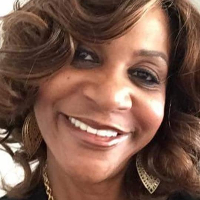
Ohio · 18 yrs exp
Works with Stress, Anxiety / Trauma and abuse / Grief +12
Works by Acceptance and Commitment Therapy (ACT) / Client-Centered Therapy
View Profile
Illinois · 10 yrs exp
Works with Stress, Anxiety / LGBT / Relationship +11
Works by Client-Centered Therapy / Emotionally-Focused Therapy (EFT)
View Profile
Oklahoma · 30 yrs exp
Works with Stress, Anxiety / Grief / Intimacy-related issues +9
Works by Client-Centered Therapy / Cognitive Behavioral Therapy (CBT)
View Profile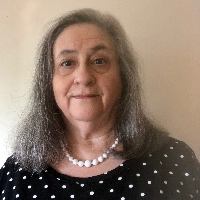
Mississippi · 23 yrs exp
Works with Stress, Anxiety / Grief / Anger +9
Works by Cognitive Behavioral Therapy (CBT) / Mindfulness Therapy
View Profile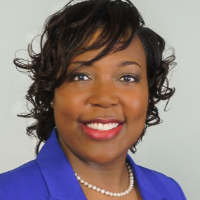
Florida · 10 yrs exp
Works with Relationship / Family / Self esteem +5
Works by Client-Centered Therapy / Cognitive Behavioral Therapy (CBT)
View Profile
Minnesota · 23 yrs exp
Works with Stress, Anxiety / Relationship / Trauma and abuse +14
Works by Attachment-Based Therapy / Client-Centered Therapy
View Profile
Florida · 30 yrs exp
Works with Stress, Anxiety / Trauma and abuse / Bipolar +17
Works by Client-Centered Therapy / Cognitive Behavioral Therapy (CBT)
View Profile
South Carolina · 10 yrs exp
Works with Stress, Anxiety / Relationship / Family +2
Works by Client-Centered Therapy / Cognitive Behavioral Therapy (CBT)
View ProfileForgiveness is often described as a deliberate decision to change how you relate to a real or perceived harm. It is not the same thing as forgetting, excusing wrongdoing, or necessarily restoring a relationship. For many people forgiveness is an internal shift - a reordering of emotions, expectations, and narratives that lets you move forward with less ongoing resentment, anger, or rumination. How that shift plays out depends on your history, cultural background, values, and the nature of the harm. Some people experience relief and a renewed sense of agency after working toward forgiveness, while others focus on boundary setting and safety first before considering any reconciliation.
The impact of forgiveness - or the lack of it - can reach into daily life. Unresolved grievance can affect your mood, sleep, concentration, and relationships. You might find yourself replaying events, expecting similar harm in new contexts, or reacting strongly to reminders. At the same time, the path to forgiveness is rarely linear. You may feel moments of compassion alongside pain, or find that forgiveness for one episode does not erase the need for accountability. Therapy can help you explore these nuances and decide what forgiveness means for you in a way that honors your experience while supporting emotional health.
You might consider therapy for forgiveness if you notice persistent patterns that feel tied to past hurts. These can include replaying an event in your mind, experiencing intense reactions to reminders, avoiding people or places that trigger memories, or feeling stuck when attempting to move on. Some people find that unresolved anger or guilt affects their ability to trust, maintain close relationships, or feel content in day-to-day life. If attempts to process the event on your own leave you exhausted, confused, or still emotionally entangled, a therapist can offer tools to unpack what is happening and help you find a direction forward.
Therapy can also be useful when forgiveness feels confusing or conflicted. You may want to forgive but worry that doing so diminishes what happened, or you may want reconciliation when the other person is not interested or present. In cases of complex trauma, repeated harm, or abuse, the work around forgiveness often includes safety planning, boundary work, and clarifying what forgiveness would mean for you. A therapist can help you separate the idea of forgiving from the pressure to reconcile or to minimize harm, and can support you in developing a plan that respects your needs.
When you begin forgiveness-focused therapy, you can expect a pace that follows your readiness. Initial sessions typically involve creating a sense of clarity about the events, your emotional responses, and your goals. A therapist will usually invite you to tell the story in your own words, notice how your body responds, and identify the beliefs that keep the hurt alive. From there, therapy can include exploring the context of the harm, the meanings you attach to it, and the costs of holding on. Sessions often balance emotional processing with practical tools for coping outside the room.
Over time you may practice new ways of relating to memories - for example, changing internal narratives, learning emotion regulation strategies, or experimenting with self-compassion exercises. The work might include role plays, letter writing that you do or choose not to send, meaning-making exercises, and attention to boundaries. Your therapist will typically aim to help you find choices that feel authentic rather than prescribing a single path. Some people move toward forgiveness as a personal release, while others prioritize forgiveness as part of rebuilding relationships. Either way, the focus is on helping you define a course that aligns with your values and well-being.
Therapists bring a variety of approaches to work around forgiveness. You may find therapists who list cognitive behavioral therapy among their approaches, which often helps you notice and reframe unhelpful thoughts that maintain anger or guilt. Some therapists include mindfulness-based approaches that cultivate present-moment awareness and reduce reactivity, while others describe narrative therapy techniques that help you rewrite the story you tell about what happened. There are therapists who list emotionally focused or interpersonal methods that emphasize attachment patterns and relational repair, and there are those who include trauma-informed practices to address deeper, longstanding wounds. You may also encounter therapists who list expressive methods such as writing, imagery, or guided exercises that allow feelings to be processed in different ways.
It is important to remember that a listed approach does not guarantee a particular outcome or formal certification. Instead, think of approaches as tools that therapists may draw on to support exploration, regulation, and meaning-making. You can look for a therapist who describes an approach that resonates with how you prefer to work - whether that is through structured skill-building, relational exploration, reflective inquiry, or creative expression. A good match often involves both the approach and the therapist's style, so pay attention to how the described methods align with your needs.
Online therapy has become a common way to address forgiveness because it can offer access to a wider range of clinicians and flexible communication formats. Sessions usually occur by video call or phone, and some therapists combine scheduled sessions with messaging for check-ins and reflections between appointments. When you work on forgiveness online, you can expect many of the same processes as in-person therapy - telling your story, emotional processing, skill practice, and homework exercises - adapted to a remote setting. Online work can be especially helpful if you prefer the convenience of your own home, need a therapist who speaks a particular language, or want someone with a specific focus who is not local to your area.
To make online therapy effective, you will likely discuss practical matters such as how to manage intense emotions during or after a session, what to do if you lose connection, and how to create a comfortable setting for the work. A therapist can help you plan for these moments and suggest grounding practices to use on your own. While the format changes how you meet, the interpersonal aspects of the work - trust, empathy, and a collaborative plan - remain central.
When choosing a therapist for forgiveness, focus on several practical considerations. Look at how therapists describe their specialties and whether they mention forgiveness, relational wounds, or related themes. Note the approaches therapists list and think about how those approaches match your preferred style of working - for example, whether you want more structured techniques or reflective relational exploration. Pay attention to credentials and professional background to understand their training pathway, and consider language and cultural fit if that matters to you. Experience with similar issues can be helpful, but it is also important to feel that a therapist's tone and values align with yours.
Beyond descriptions, trust your sense of fit. Many people benefit from an initial conversation to get a feel for a therapist's communication style and whether you can talk openly with them. Think about logistical factors such as session length, frequency, and format, and how those will integrate with your life. Remember that the therapeutic relationship itself is a key ingredient; a therapist who listens, respects your boundaries, and helps you outline concrete steps for the work is often more important than specific labels. By considering approach, credentials, language, and relational style, you can find a therapeutic partner who supports your goals around forgiveness in a way that feels authentic to you.
Alabama
356 therapists
Alaska
38 therapists
Arizona
324 therapists
Arkansas
179 therapists
Australia
619 therapists
California
2459 therapists
Colorado
531 therapists
Connecticut
217 therapists
Delaware
69 therapists
District of Columbia
65 therapists
Florida
2398 therapists
Georgia
872 therapists
Hawaii
90 therapists
Idaho
142 therapists
Illinois
794 therapists
Indiana
411 therapists
Iowa
112 therapists
Kansas
171 therapists
Kentucky
299 therapists
Louisiana
463 therapists
Maine
103 therapists
Maryland
421 therapists
Massachusetts
324 therapists
Michigan
792 therapists
Minnesota
304 therapists
Mississippi
240 therapists
Missouri
569 therapists
Montana
137 therapists
Nebraska
123 therapists
Nevada
134 therapists
New Hampshire
63 therapists
New Jersey
555 therapists
New Mexico
128 therapists
New York
1295 therapists
North Carolina
955 therapists
North Dakota
26 therapists
Ohio
576 therapists
Oklahoma
372 therapists
Oregon
177 therapists
Pennsylvania
807 therapists
Rhode Island
48 therapists
South Carolina
437 therapists
South Dakota
44 therapists
Tennessee
382 therapists
Texas
2519 therapists
United Kingdom
4241 therapists
Utah
224 therapists
Vermont
46 therapists
Virginia
516 therapists
Washington
326 therapists
West Virginia
75 therapists
Wisconsin
382 therapists
Wyoming
69 therapists