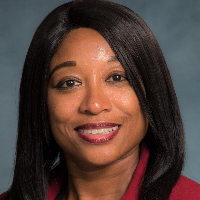
About Vivia
Dr. Vivia Hill-Silcott helps people manage anxiety, stress, grief, and relationship pain. She is an LPC who brings a practical, warm approach.
Her style aims to make therapy feel straightforward and helpful from the first session. She draws on a mix of approaches to match each person’s needs. That can look like identifying unhelpful thinking patterns, practicing mindful awareness, or strengthening emotional connections in relationships.
Sessions tend to focus on small, doable steps that reduce anxiety and build confidence.
Background and approach
Dr. Hill-Silcott has eight years of experience in counseling and holds a PhD in Counselor Education and Supervision. She has worked with college students and with clients who face identity and multicultural concerns.
Her work includes support for people dealing with trauma, grief, compulsions, panic, and discrimination. Her conversations are described as warm and direct. She uses assessments when helpful to clarify concerns and track progress.
The goal is to help people feel more in control, more resilient, and more able to handle life’s changes. Sessions are offered in English and she practices from Georgia while also accepting international clients. Dr.
Hill-Silcott combines compassion with practical tools so people can make steady changes in daily life.
Approaches for online anxiety and relationship work
Dr. Hill-Silcott uses Client-Centered Therapy to focus on the person rather than a list of problems. That means conversations center on what matters to the client, with the therapist offering reflection and empathy to help people sort their feelings and choices.She also uses Cognitive Behavioral Therapy (CBT) to help identify and change unhelpful thoughts and behaviors. CBT includes practical exercises you can try between sessions to reduce worry, panic, or compulsive habits.
Finding the right approach is part of the process and happens together. The therapist will discuss goals, try methods that match those goals, and adjust approaches based on what helps most. This collaborative process makes it easier to focus on techniques that fit the client's needs and preferences.
Online sessions are offered via video calls, phone sessions, live chat, or text-based messaging to increase flexibility. Video sessions allow face-to-face interaction for deeper emotional work, while phone sessions use less bandwidth and can be easier on busy days. Live chat and text messaging are useful for brief check-ins, coaching-style support, or when someone prefers writing to speaking. These options make it simpler to keep continuity and fit therapy into a busy life.
Questions people ask
What concerns does this therapist address?
What is the therapy style like?
What background and experience does she bring?
What are her credentials and where is she based?
Which languages and international options are supported?
How are sessions delivered online?
How does pricing and billing work?
What is the first step to begin working together?
What this therapist works with
Most often
- Stress, Anxiety
- Relationship issues
- Family conflicts
Also listed
- Abandonment
- Addictions
- Anger management
- Career difficulties
- Coaching
- Compassion fatigue
- Coping with life changes
- Depression
- Forgiveness
- Grief
- Guilt and shame
- Intimacy-related issues
- LGBT
- Multicultural concerns
- Obsessions, compulsions, and OCD
- Panic disorder and panic attacks
- Post-traumatic stress
- Prejudice and discrimination
- Self esteem
- Self-harm
- Self-love
- Social anxiety and phobia
- Trauma and abuse
Therapeutic approaches
- Experience
- 8 years
- Licensed
- Georgia
- Languages
- English
We will earn a commission if you sign up through our link, at no cost to you.