
Velma Jones, LCSW
New York · 29 yrs exp
Works with Stress, Anxiety / Relationship / Trauma and abuse +11
Works by Attachment-Based Therapy / Client-Centered Therapy
View ProfileThis page lists therapists who work with obsession and intrusive thoughts. Browse the profiles below to compare specialties, therapeutic approaches, credentials, languages, and experience.
New York · 29 yrs exp
Works with Stress, Anxiety / Relationship / Trauma and abuse +11
Works by Attachment-Based Therapy / Client-Centered Therapy
View Profile
North Carolina · 25 yrs exp
Works with Stress, Anxiety / Relationship / Family +16
Works by Attachment-Based Therapy / Client-Centered Therapy
View Profile
Texas · 30 yrs exp
Works with Stress, Anxiety / Addictions / Anger +14
Works by Cognitive Behavioral Therapy (CBT) / Mindfulness Therapy
View Profile
Texas · 20 yrs exp
Works with Stress, Anxiety / LGBT / Relationship +17
Works by Acceptance and Commitment Therapy (ACT) / Cognitive Behavioral Therapy (CBT)
View Profile
Louisiana · 15 yrs exp
Works with Stress, Anxiety / Relationship / Family +13
Works by Acceptance and Commitment Therapy (ACT) / Attachment-Based Therapy
View Profile
Colorado · 19 yrs exp · 2 languages
Works with Stress, Anxiety / Relationship / Trauma and abuse +13
Works by Acceptance and Commitment Therapy (ACT) / Attachment-Based Therapy
View Profile
Texas · 13 yrs exp
Works with Stress, Anxiety / Relationship / Trauma and abuse +12
Works by Attachment-Based Therapy / Client-Centered Therapy
View Profile
Florida · 20 yrs exp · 2 languages
Works with Stress, Anxiety / Addictions / Relationship +17
Works by Acceptance and Commitment Therapy (ACT) / Attachment-Based Therapy
View Profile
Oregon · 26 yrs exp
Works with Stress, Anxiety / Trauma and abuse / Grief +11
Works by Acceptance and Commitment Therapy (ACT) / Attachment-Based Therapy
View Profile
Pennsylvania · 15 yrs exp
Works with Stress, Anxiety / Addictions / Trauma and abuse +14
Works by Cognitive Behavioral Therapy (CBT) / Dialectical Behavior Therapy (DBT)
View Profile
Georgia · 8 yrs exp
Works with Stress, Anxiety / Relationship / Family +12
Works by Client-Centered Therapy / Cognitive Behavioral Therapy (CBT)
View Profile
Kentucky · 18 yrs exp
Works with LGBT / Relationship / Family +15
Works by Attachment-Based Therapy / Client-Centered Therapy
View Profile
Colorado · 15 yrs exp
Works with Stress, Anxiety / Relationship / Intimacy-related issues +11
Works by Acceptance and Commitment Therapy (ACT) / Attachment-Based Therapy
View Profile
Oklahoma · 7 yrs exp
Works with Stress, Anxiety / Relationship / Grief +9
Works by Client-Centered Therapy / Cognitive Behavioral Therapy (CBT)
View Profile
Maryland · 6 yrs exp
Works with Stress, Anxiety / Trauma and abuse / Self esteem +11
Works by Attachment-Based Therapy / Client-Centered Therapy
View Profile
Michigan · 5 yrs exp
Works with Stress, Anxiety / Relationship / Family +13
Works by Acceptance and Commitment Therapy (ACT) / Cognitive Behavioral Therapy (CBT)
View Profile
Pennsylvania · 12 yrs exp
Works with Stress, Anxiety / Relationship / Self esteem +12
Works by Client-Centered Therapy / Cognitive Behavioral Therapy (CBT)
View Profile
North Carolina · 10 yrs exp
Works with Stress, Anxiety / Relationship / Family +17
Works by Acceptance and Commitment Therapy (ACT) / Client-Centered Therapy
View Profile
Missouri · 7 yrs exp
Works with Stress, Anxiety / Addictions / Relationship +14
Works by Client-Centered Therapy / Cognitive Behavioral Therapy (CBT)
View Profile
Louisiana · 10 yrs exp
Works with Stress, Anxiety / Relationship / Family +13
Works by Attachment-Based Therapy / Client-Centered Therapy
View Profile
Texas · 10 yrs exp
Works with Stress, Anxiety / Relationship / Family +15
Works by Acceptance and Commitment Therapy (ACT) / Attachment-Based Therapy
View Profile
Illinois · 10 yrs exp
Works with Stress, Anxiety / LGBT / Relationship +11
Works by Client-Centered Therapy / Emotionally-Focused Therapy (EFT)
View Profile
Minnesota · 23 yrs exp
Works with Stress, Anxiety / Relationship / Trauma and abuse +14
Works by Attachment-Based Therapy / Client-Centered Therapy
View Profile
Louisiana · 22 yrs exp
Works with Stress, Anxiety / Relationship / Family +12
Works by Client-Centered Therapy / Cognitive Behavioral Therapy (CBT)
View Profile
Florida · 10 yrs exp
Works with Stress, Anxiety / Addictions / Family +9
Works by Client-Centered Therapy / Cognitive Behavioral Therapy (CBT)
View Profile
Colorado · 11 yrs exp
Works with Stress, Anxiety / LGBT / Trauma and abuse +16
Works by Acceptance and Commitment Therapy (ACT) / Client-Centered Therapy
View Profile
Florida · 18 yrs exp
Works with Stress, Anxiety / Relationship / Grief +13
Works by Client-Centered Therapy / Cognitive Behavioral Therapy (CBT)
View Profile
Florida · 30 yrs exp
Works with Stress, Anxiety / Relationship / Trauma and abuse +15
Works by Acceptance and Commitment Therapy (ACT) / Client-Centered Therapy
View Profile
Florida · 15 yrs exp
Works with Stress, Anxiety / Addictions / Trauma and abuse +15
Works by Acceptance and Commitment Therapy (ACT) / Client-Centered Therapy
View Profile
Michigan · 21 yrs exp
Works with Stress, Anxiety / Relationship / Family +15
Works by Acceptance and Commitment Therapy (ACT) / Attachment-Based Therapy
View Profile
Texas · 22 yrs exp
Works with Stress, Anxiety / Relationship / Trauma and abuse +17
Works by Acceptance and Commitment Therapy (ACT) / Attachment-Based Therapy
View Profile
Illinois · 12 yrs exp
Works with Stress, Anxiety / Trauma and abuse / Parenting +13
Works by Client-Centered Therapy / Cognitive Behavioral Therapy (CBT)
View Profile
Massachusetts · 25 yrs exp
Works with Stress, Anxiety / Relationship / Family +15
Works by Attachment-Based Therapy / Client-Centered Therapy
View Profile
New Jersey · 8 yrs exp
Works with Stress, Anxiety / Relationship / Trauma and abuse +15
Works by Acceptance and Commitment Therapy (ACT) / Attachment-Based Therapy
View Profile
Mississippi · 12 yrs exp
Works with Stress, Anxiety / Addictions / Anger +13
Works by Client-Centered Therapy / Cognitive Behavioral Therapy (CBT)
View Profile
Indiana · 8 yrs exp
Works with Stress, Anxiety / Addictions / Family +16
Works by Acceptance and Commitment Therapy (ACT) / Attachment-Based Therapy
View Profile
Florida · 20 yrs exp
Works with Addictions / Relationship / Trauma and abuse +15
Works by Acceptance and Commitment Therapy (ACT) / Attachment-Based Therapy
View Profile
Tennessee · 35 yrs exp
Works with Stress, Anxiety / Grief / Self esteem +9
Works by Acceptance and Commitment Therapy (ACT) / Client-Centered Therapy
View Profile
Virginia · 31 yrs exp
Works with Stress, Anxiety / Relationship / Family +13
Works by Attachment-Based Therapy / Client-Centered Therapy
View Profile
Florida · 17 yrs exp
Works with Stress, Anxiety / Trauma and abuse / Eating +15
Works by Acceptance and Commitment Therapy (ACT) / Client-Centered Therapy
View Profile
Mississippi · 25 yrs exp
Works with Stress, Anxiety / Relationship / Family +16
Works by Acceptance and Commitment Therapy (ACT) / Client-Centered Therapy
View Profile
Georgia · 25 yrs exp
Works with Stress, Anxiety / Parenting / Anger +16
Works by Attachment-Based Therapy / Client-Centered Therapy
View Profile
Florida · 14 yrs exp
Works with Stress, Anxiety / Trauma and abuse / Grief +14
Works by Cognitive Behavioral Therapy (CBT) / Dialectical Behavior Therapy (DBT)
View Profile
Michigan · 11 yrs exp
Works with Stress, Anxiety / Trauma and abuse / Self esteem +7
Works by Acceptance and Commitment Therapy (ACT) / Attachment-Based Therapy
View Profile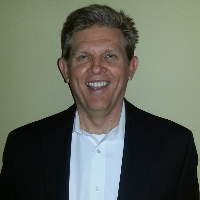
Texas · 18 yrs exp
Works with Stress, Anxiety / Relationship / Family +10
Works by Cognitive Behavioral Therapy (CBT) / Mindfulness Therapy
View Profile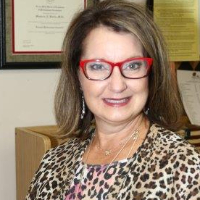
Texas · 4 yrs exp
Works with Stress, Anxiety / Addictions / Relationship +4
Works by Acceptance and Commitment Therapy (ACT) / Client-Centered Therapy
View Profile
New York · 6 yrs exp
Works with Stress, Anxiety / Parenting / Anger +13
Works by Client-Centered Therapy / Cognitive Behavioral Therapy (CBT)
View Profile
Florida · 24 yrs exp
Works with Stress, Anxiety / Addictions / Grief +15
Works by Acceptance and Commitment Therapy (ACT) / Client-Centered Therapy
View ProfileObsessive thoughts are repetitive, persistent ideas, images, or impulses that can feel difficult to dismiss. They can focus on many topics - contamination, harm, morality, symmetry, or interpersonal worries - and they often arrive unbidden, looping in your mind even when you try to shift attention. For many people the struggle is less about the content of the thought and more about the distress and time the thought consumes. When thoughts become intrusive enough to interfere with work, relationships, sleep, or daily routines, you may find yourself feeling exhausted, distracted, or ashamed, which can create a cycle of avoidance and increased rumination.
Because obsessive thinking can be highly personal, it may be easy to minimize its impact or to worry about being judged. You might notice that attempting to suppress a thought actually makes it more persistent, or that you engage in mental rituals - reviewing, checking, or rehearsing - to try to reduce anxiety. Over time this pattern can create a sense of being controlled by your thoughts. Therapy aims to help you develop new relationships to those thoughts and to rebuild daily habits so that intrusive thinking has less power over how you live.
You may want to explore therapy if obsessive thoughts are frequent, distressing, or time-consuming. If you find yourself replaying scenarios in your head, experiencing repeated doubts, or spending large amounts of time on mental rituals or checking behaviors, those patterns can be a signal that extra support could help. It is also worth seeking help if obsession is contributing to avoidance - for example, avoiding social situations, work tasks, or medical procedures because of intrusive fears. Even if the thoughts feel irrational to you, their emotional weight is real and addressing that impact is a valid reason to reach out.
Other signs include changes to your mood like persistent anxiety, difficulty concentrating, sleep disruption, or growing frustration with coping strategies that once helped. You might notice tension in relationships if loved ones are asked to reassure you or to participate in routines that ease your worry. Therapy is not only for severe cases; many people benefit from learning practical tools early on so that thoughts remain manageable and do not escalate into patterns that are harder to change.
In early sessions you and a therapist will typically map the shape of your intrusive thoughts - when they started, what triggers them, and how you respond. This mapping is a collaborative process that helps identify patterns without judgment. Your therapist will ask about your daily life, coping strategies, and what has or has not helped in the past. The goal is to create a clear, personalized plan rather than to force a quick fix. Sessions often combine education about how obsession functions with practical skill-building that you can use between meetings.
Therapy for obsessive thinking tends to be structured and skills-focused, but it also adapts to your pace. You can expect to practice new ways of relating to thoughts, to try exercises that reduce the urge to perform mental rituals, and to gradually expose yourself to situations that trigger anxiety in a supported way. Progress is usually incremental. You will likely work on strategies to tolerate discomfort, to reduce avoidance, and to shift attention back to meaningful activities. Over time many people find their thoughts have less control over their decisions and daily routines.
Several therapeutic approaches are commonly used when addressing obsessive thoughts. Cognitive-behavioral techniques often play a central role by helping you identify the thinking patterns that maintain distress and by teaching skills to change how you respond to those thoughts. Exposure-based methods, which involve approaching feared situations or thoughts in a gradual and planned way, can reduce the urge to perform rituals and can weaken the link between a trigger and a distress reaction. A therapist may combine cognitive and exposure strategies to target both the content and the behavioral responses that keep obsessive cycles active.
Other approaches that some therapists list among their options include acceptance-based methods and mindfulness practices, which emphasize noticing thoughts without acting on them and developing tolerance for uncomfortable feelings. Some clinicians mention approaches that focus on emotion processing or on relational dynamics, aiming to broaden the work beyond symptom management to include how obsession affects your identity and relationships. When exploring therapist profiles, look for language that describes how they integrate different methods and how they might tailor techniques to your needs, rather than assuming any single label guarantees a specific outcome.
Online therapy for obsessive thinking often mirrors in-person therapy in structure and goals, with sessions conducted over video or phone. This format can make it easier to connect with clinicians who have experience or particular approaches you are seeking, and it lets you practice strategies in the environments where intrusive thoughts occur. Sessions generally follow a regular schedule and include homework exercises to build skills between meetings. You should expect to discuss information-sharing boundaries practices, session length, fees, and how to reach your clinician outside sessions for scheduling matters. Make sure you understand the communication methods a therapist uses and how they approach crisis planning so you feel prepared for different situations.
When choosing a therapist for obsession, start by reflecting on what matters most to you - whether that is a particular therapeutic approach, experience with certain life stages, language preferences, or cultural understanding. Read therapist profiles for descriptions that mention obsession, intrusive thoughts, or related concerns. Pay attention to how clinicians describe their approaches. For example, a profile may state that a therapist uses cognitive-behavioral techniques or that they incorporate exposure methods, but it is more helpful to notice how they explain the work and how they describe collaborating with clients.
Consider practical details that affect fit, such as the languages a therapist lists, their general clinical focus, and whether they emphasize skills practice, emotional processing, or behavioral exposure. You might also look for descriptions of the populations they work with - age groups, life stages, or cultural backgrounds - to find someone whose experience aligns with your context. During an initial conversation you can ask about how they typically structure sessions for obsession, how they measure progress, and what kinds of between-session exercises they prioritize. Trust your sense of whether you feel heard and understood, because a working relationship that feels respectful and clear tends to support better engagement with the therapeutic process.
Ultimately, finding a therapist for obsessive thinking is about matching the therapeutic style and experience to your goals. Take time to read profiles, reflect on what matters most to you, and reach out to a few clinicians whose descriptions resonate. With consistent practice and a collaborative approach, therapy can help you change how you relate to intrusive thoughts so they take up less space in daily life.
Alabama
356 therapists
Alaska
38 therapists
Arizona
324 therapists
Arkansas
179 therapists
Australia
619 therapists
California
2459 therapists
Colorado
531 therapists
Connecticut
217 therapists
Delaware
69 therapists
District of Columbia
65 therapists
Florida
2398 therapists
Georgia
872 therapists
Hawaii
90 therapists
Idaho
142 therapists
Illinois
794 therapists
Indiana
411 therapists
Iowa
112 therapists
Kansas
171 therapists
Kentucky
299 therapists
Louisiana
463 therapists
Maine
103 therapists
Maryland
421 therapists
Massachusetts
324 therapists
Michigan
792 therapists
Minnesota
304 therapists
Mississippi
240 therapists
Missouri
569 therapists
Montana
137 therapists
Nebraska
123 therapists
Nevada
134 therapists
New Hampshire
63 therapists
New Jersey
555 therapists
New Mexico
128 therapists
New York
1295 therapists
North Carolina
955 therapists
North Dakota
26 therapists
Ohio
576 therapists
Oklahoma
372 therapists
Oregon
177 therapists
Pennsylvania
807 therapists
Rhode Island
48 therapists
South Carolina
437 therapists
South Dakota
44 therapists
Tennessee
382 therapists
Texas
2519 therapists
United Kingdom
4241 therapists
Utah
224 therapists
Vermont
46 therapists
Virginia
516 therapists
Washington
326 therapists
West Virginia
75 therapists
Wisconsin
382 therapists
Wyoming
69 therapists