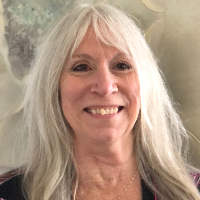
About Lynne
Lynne Campbell is a Licensed Professional Counselor with 11 years of clinical experience. She combines counseling skills with practical workplace knowledge to help people manage stress, anxiety, depression, and life transitions. Lynne works from Michigan and speaks English.
Her background includes a Master’s degree in Clinical Counseling from Oakland University and a Bachelor’s degree in Social Work from Wayne State University. She also holds a Master’s in Human Resources Administration from Central Michigan University, which gives her insight into workplace dynamics like bullying and competition for resources.
Background and approach
Lynne has worked in a variety of settings, including intensive outpatient programs, outpatient rehabilitation clinics, assisted living environments, and large personal practices. That range means she has experience talking with adults across different stages and situations. Her clinical tools include Cognitive Behavioral Therapy (CBT), Acceptance and Commitment Therapy (ACT), Attachment-Based Therapy, Client-Centered Therapy, and Eye Movement Desensitization and Reprocessing (EMDR).
She uses these approaches flexibly to match the issue someone brings in. In sessions she focuses on helping people make sense of hard events, revise unhelpful stories about themselves, and set realistic goals. She aims to create a calm, supportive atmosphere where small steps add up to lasting change.
How Lynne’s Approaches Work Online
Acceptance and Commitment Therapy, or ACT, helps people clarify their values and take small steps toward what matters. It focuses on accepting difficult thoughts while committing to actions that align with personal goals, which can help with anxiety and life changes.Eye Movement Desensitization and Reprocessing, EMDR, is a structured method for processing traumatic memories. It guides clients through focused recall and bilateral stimulation to reduce the intensity of painful memories and the distress they cause.
Attachment-Based Therapy looks at patterns formed in close relationships and how they affect current behavior. It helps people understand connection and trust issues and build healthier ways of relating to others.
Choosing the right approach is a collaborative process. The therapist will listen to the client’s goals, try methods that match those goals, and adjust over time. Many people try an approach for a few sessions to see how it fits and then refine the plan together.
Online sessions make it easier to keep therapy consistent. Video calls let the therapist and client work face to face when visual cues matter. Phone sessions work well for lower bandwidth or when being on camera isn’t desired. Live chat and text messaging are useful for brief check-ins, tracking progress, or getting support between sessions. These options offer flexibility so therapy can fit into a busy life.
Questions people ask
What concerns does Lynne help with?
What is her therapy style like?
How long has she been practicing?
Where is she licensed and based?
Which languages are supported?
Can people outside the U.S. work with her?
What session formats are available?
How does cost and scheduling work?
What this therapist works with
Also listed
- Aging and geriatric issues
- Attachment issues
- Bipolar disorder
- Career difficulties
- Codependency
- Commitment issues
- Coping with life changes
- Depression
- Divorce and separation
- Family of origin issues
- Grief
- Guilt and shame
- Intimacy-related issues
- Midlife crisis
- Mood disorders
- Obsessions, compulsions, and OCD
- Post-traumatic stress
- Relationship issues
- Seasonal Affective Disorder (SAD)
- Social anxiety and phobia
- Workplace issues
Therapeutic approaches
- Experience
- 11 years
- Licensed
- Michigan
- Languages
- English
We will earn a commission if you sign up through our link, at no cost to you.