
Velma Jones, LCSW
New York · 29 yrs exp
Works with Stress, Anxiety / Relationship / Trauma and abuse +11
Works by Attachment-Based Therapy / Client-Centered Therapy
View ProfileThis page gathers clinician profiles listed under the post-traumatic stress specialty, with details on therapeutic approaches, languages and clinical focus. Browse the listings below to review profiles and learn more about how different therapists describe their work with post-traumatic stress.
New York · 29 yrs exp
Works with Stress, Anxiety / Relationship / Trauma and abuse +11
Works by Attachment-Based Therapy / Client-Centered Therapy
View Profile
North Carolina · 25 yrs exp
Works with Stress, Anxiety / Relationship / Family +16
Works by Attachment-Based Therapy / Client-Centered Therapy
View Profile
Texas · 30 yrs exp
Works with Stress, Anxiety / Addictions / Anger +14
Works by Cognitive Behavioral Therapy (CBT) / Mindfulness Therapy
View Profile
Texas · 20 yrs exp
Works with Stress, Anxiety / LGBT / Relationship +17
Works by Acceptance and Commitment Therapy (ACT) / Cognitive Behavioral Therapy (CBT)
View Profile
Louisiana · 15 yrs exp
Works with Stress, Anxiety / Relationship / Family +13
Works by Acceptance and Commitment Therapy (ACT) / Attachment-Based Therapy
View Profile
North Carolina · 30 yrs exp · 2 languages
Works with Relationship / Parenting / Anger +6
Works by Cognitive Behavioral Therapy (CBT) / Mindfulness Therapy
View Profile
Florida · 16 yrs exp
Works with Stress, Anxiety / Relationship / Trauma and abuse +7
Works by Cognitive Behavioral Therapy (CBT) / Solution-Focused Therapy
View Profile
Colorado · 19 yrs exp · 2 languages
Works with Stress, Anxiety / Relationship / Trauma and abuse +13
Works by Acceptance and Commitment Therapy (ACT) / Attachment-Based Therapy
View Profile
California · 14 yrs exp
Works with Stress, Anxiety / Relationship / Family +10
Works by Attachment-Based Therapy / Client-Centered Therapy
View Profile
Texas · 13 yrs exp
Works with Stress, Anxiety / Relationship / Trauma and abuse +12
Works by Attachment-Based Therapy / Client-Centered Therapy
View Profile
Florida · 20 yrs exp · 2 languages
Works with Stress, Anxiety / Addictions / Relationship +17
Works by Acceptance and Commitment Therapy (ACT) / Attachment-Based Therapy
View Profile
Missouri · 23 yrs exp
Works with Stress, Anxiety / Addictions / Trauma and abuse +11
Works by Client-Centered Therapy / Cognitive Behavioral Therapy (CBT)
View Profile
Georgia · 10 yrs exp
Works with Stress, Anxiety / Grief / Self esteem +11
Works by Client-Centered Therapy / Cognitive Behavioral Therapy (CBT)
View Profile
New York · 24 yrs exp
Works with Stress, Anxiety / Relationship / Anger +13
Works by Client-Centered Therapy / Cognitive Behavioral Therapy (CBT)
View Profile
Oregon · 26 yrs exp
Works with Stress, Anxiety / Trauma and abuse / Grief +11
Works by Acceptance and Commitment Therapy (ACT) / Attachment-Based Therapy
View Profile
Kansas · 12 yrs exp
Works with Stress, Anxiety / Relationship / Intimacy-related issues +14
Works by Client-Centered Therapy / Cognitive Behavioral Therapy (CBT)
View Profile
Pennsylvania · 15 yrs exp
Works with Stress, Anxiety / Addictions / Trauma and abuse +14
Works by Cognitive Behavioral Therapy (CBT) / Dialectical Behavior Therapy (DBT)
View Profile
Georgia · 8 yrs exp
Works with Stress, Anxiety / Relationship / Family +12
Works by Client-Centered Therapy / Cognitive Behavioral Therapy (CBT)
View Profile
Kentucky · 18 yrs exp
Works with LGBT / Relationship / Family +15
Works by Attachment-Based Therapy / Client-Centered Therapy
View Profile
Colorado · 15 yrs exp
Works with Stress, Anxiety / Relationship / Intimacy-related issues +11
Works by Acceptance and Commitment Therapy (ACT) / Attachment-Based Therapy
View Profile
Louisiana · 7 yrs exp
Works with Stress, Anxiety / Family / Trauma and abuse +16
Works by Acceptance and Commitment Therapy (ACT) / Attachment-Based Therapy
View Profile
Florida · 25 yrs exp · 2 languages
Works with Relationship / Trauma and abuse / Grief +13
Works by Client-Centered Therapy / Eye Movement Desensitization and Reprocessing (EMDR)
View Profile
Oklahoma · 7 yrs exp
Works with Stress, Anxiety / Relationship / Grief +9
Works by Client-Centered Therapy / Cognitive Behavioral Therapy (CBT)
View Profile
Maryland · 6 yrs exp
Works with Stress, Anxiety / Trauma and abuse / Self esteem +11
Works by Attachment-Based Therapy / Client-Centered Therapy
View Profile
Maryland · 10 yrs exp
Works with Stress, Anxiety / Relationship / Family +13
Works by Client-Centered Therapy / Cognitive Behavioral Therapy (CBT)
View Profile
New York · 5 yrs exp · 2 languages
Works with Stress, Anxiety / LGBT / Trauma and abuse +13
Works by Acceptance and Commitment Therapy (ACT) / Attachment-Based Therapy
View Profile
Michigan · 5 yrs exp
Works with Stress, Anxiety / Relationship / Family +13
Works by Acceptance and Commitment Therapy (ACT) / Cognitive Behavioral Therapy (CBT)
View Profile
Pennsylvania · 12 yrs exp
Works with Stress, Anxiety / Relationship / Self esteem +12
Works by Client-Centered Therapy / Cognitive Behavioral Therapy (CBT)
View Profile
Texas · 22 yrs exp
Works with Stress, Anxiety / Grief / Career +10
Works by Client-Centered Therapy / Cognitive Behavioral Therapy (CBT)
View Profile
Missouri · 16 yrs exp
Works with Stress, Anxiety / Trauma and abuse / Self esteem +13
Works by Client-Centered Therapy / Cognitive Behavioral Therapy (CBT)
View Profile
North Carolina · 10 yrs exp
Works with Stress, Anxiety / Relationship / Family +17
Works by Acceptance and Commitment Therapy (ACT) / Client-Centered Therapy
View Profile
Missouri · 7 yrs exp
Works with Stress, Anxiety / Addictions / Relationship +14
Works by Client-Centered Therapy / Cognitive Behavioral Therapy (CBT)
View Profile
New York · 35 yrs exp
Works with Stress, Anxiety / Self esteem / Career +11
Works by Client-Centered Therapy / Mindfulness Therapy
View Profile
Louisiana · 10 yrs exp
Works with Stress, Anxiety / Relationship / Family +13
Works by Attachment-Based Therapy / Client-Centered Therapy
View Profile
Oregon · 32 yrs exp
Works with Stress, Anxiety / Relationship / Trauma and abuse +10
View Profile
Texas · 10 yrs exp
Works with Stress, Anxiety / Relationship / Family +15
Works by Acceptance and Commitment Therapy (ACT) / Attachment-Based Therapy
View Profile
Ohio · 18 yrs exp
Works with Stress, Anxiety / Trauma and abuse / Grief +12
Works by Acceptance and Commitment Therapy (ACT) / Client-Centered Therapy
View Profile
Illinois · 10 yrs exp
Works with Stress, Anxiety / LGBT / Relationship +11
Works by Client-Centered Therapy / Emotionally-Focused Therapy (EFT)
View Profile
Texas · 11 yrs exp
Works with Stress, Anxiety / Trauma and abuse / Career +10
Works by Acceptance and Commitment Therapy (ACT) / Cognitive Behavioral Therapy (CBT)
View Profile
Oklahoma · 30 yrs exp
Works with Stress, Anxiety / Grief / Intimacy-related issues +9
Works by Client-Centered Therapy / Cognitive Behavioral Therapy (CBT)
View Profile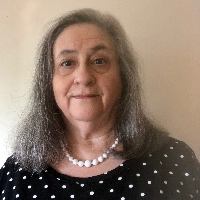
Mississippi · 23 yrs exp
Works with Stress, Anxiety / Grief / Anger +9
Works by Cognitive Behavioral Therapy (CBT) / Mindfulness Therapy
View Profile
Minnesota · 23 yrs exp
Works with Stress, Anxiety / Relationship / Trauma and abuse +14
Works by Attachment-Based Therapy / Client-Centered Therapy
View Profile
Florida · 30 yrs exp
Works with Stress, Anxiety / Trauma and abuse / Bipolar +17
Works by Client-Centered Therapy / Cognitive Behavioral Therapy (CBT)
View Profile
Georgia · 14 yrs exp
Works with Stress, Anxiety / LGBT / Trauma and abuse +10
Works by Client-Centered Therapy / Cognitive Behavioral Therapy (CBT)
View Profile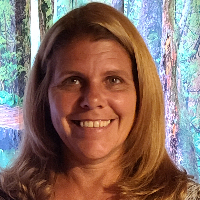
South Carolina · 10 yrs exp
Works with Stress, Anxiety / Relationship / Family +2
Works by Client-Centered Therapy / Cognitive Behavioral Therapy (CBT)
View Profile
Louisiana · 22 yrs exp
Works with Stress, Anxiety / Relationship / Family +12
Works by Client-Centered Therapy / Cognitive Behavioral Therapy (CBT)
View Profile
South Carolina · 36 yrs exp
Works with Stress, Anxiety / Addictions / Family +4
Works by Client-Centered Therapy / Cognitive Behavioral Therapy (CBT)
View Profile
Colorado · 11 yrs exp
Works with Stress, Anxiety / LGBT / Trauma and abuse +16
Works by Acceptance and Commitment Therapy (ACT) / Client-Centered Therapy
View ProfilePost-traumatic stress refers to the lasting impact that traumatic events can have on thoughts, emotions and behavior. Trauma can come from many sources - single-incident events, repeated exposure to harm, accidents, medical emergencies, interpersonal violence or witnessing life-threatening situations. For some people the immediate reactions to a traumatic event naturally ease over weeks or months. For others, reactions persist and shape daily life in ways that feel overwhelming or unmanageable.
You may notice that memories of the event intrude unexpectedly, that certain reminders trigger intense emotional or physical reactions, or that you work hard to avoid places or conversations that feel linked to the trauma. Sleep and concentration often suffer, irritability or hypervigilance can increase, and relationships may distance under the strain of symptoms. People also describe feeling emotionally numb, disconnected from themselves or uncertain about the future. These experiences are common and understandable responses to difficult events, and many people find that focused therapeutic work helps them regain a sense of safety and agency.
Not everyone responds to trauma in the same way. Cultural background, past experiences, social supports and current stressors shape how symptoms appear. Some people experience primarily physical reactions such as startle responses, headaches or gastrointestinal distress, while others struggle mainly with mood, intrusive thoughts or avoidance behaviors. Recognizing this variability can help you describe your experience accurately when you review therapist profiles and during an initial conversation.
If your day-to-day functioning is affected by reactions to a traumatic experience, therapy may help you develop tools to manage symptoms and improve quality of life. You might be having more trouble than usual getting through work or school, maintaining relationships, or taking part in activities you used to enjoy. Persistent nightmares or flashbacks that impair sleep or cause intense distress are often signs that focused intervention could be helpful.
Other indicators include ongoing avoidance of people, places or conversations that remind you of the trauma, a growing sense of isolation, or a pattern of substance use or other behaviors intended to numb distress. You do not need to reach a crisis point to benefit from therapy - many people seek support when symptoms start to interfere with daily routines, parenting or their ability to cope with stress. If you find yourself feeling stuck, overwhelmed, or unsure how to move forward after an event, exploring therapy options can be a constructive step.
Consider reaching out if symptoms persist beyond a few weeks and do not seem to be improving, or if they are worsening. You might also look for therapeutic support when you notice changes in mood, relationships or work performance that you attribute to past trauma. A therapist can help you evaluate whether focused trauma work, symptom management strategies, or a combination of approaches would fit your needs.
Therapy for post-traumatic stress typically begins with a careful assessment and a conversation about your goals. During early sessions you and your therapist will review your history, current concerns and what you hope to gain from treatment. This assessment period is an opportunity to build a working relationship, clarify priorities and outline practical steps for moving forward.
Sessions often include a mix of symptom education, strategies for managing intense emotions, and gradual exposure to traumatic memories or triggers when appropriate. Your therapist may help you develop grounding skills to reduce immediate distress, sleep hygiene recommendations, and ways to manage intrusive memories or avoidance. Therapy is usually paced to match your tolerance and readiness - some people begin with stabilizing techniques and coping plans before engaging in more direct trauma processing.
Progress can look different for each person. You might notice fewer nights disrupted by nightmares, less reactivity to reminders, a return to activities you had been avoiding, or improved relationships and concentration. Your therapist will typically check in about what feels helpful and adjust the plan over time. The aim is practical: to reduce the impact of trauma on daily life and increase your capacity to manage stressors that arise.
Therapists describe a range of approaches on their profiles, and several are commonly used when addressing post-traumatic stress. You may find therapists who list cognitive-behavioral approaches that focus on identifying and shifting unhelpful thoughts and behaviors linked to trauma, or those who describe exposure-based work that helps you approach and process distressing memories in a supported way. Mindfulness and emotion-regulation strategies are frequently included to help stabilize intense reactions.
Some profiles mention trauma-focused narrative methods that help you make sense of the event and its meaning within your life story, while others describe somatic or body-oriented approaches that attend to physical responses to trauma. You will also see therapists who list integrative or relational approaches that emphasize the therapeutic relationship as a source of safety and change. When a profile lists modalities such as EMDR, somatic approaches or other named methods, remember that this indicates the approach the clinician uses, not an external certification profile. Looking at how a therapist describes their work with trauma - their emphasis on skills, pacing and collaboration - can be more informative than the label alone.
Online therapy offers multiple ways to connect - video sessions, phone calls and asynchronous messaging are common options. For many people, online sessions can make it easier to fit care into a busy schedule and to connect with clinicians who offer particular languages or areas of focus. If you choose virtual sessions, plan to select a quiet place where you will not be interrupted and where you feel comfortable speaking about personal experiences. You may prefer a desk or a room where you can close a door, or you might identify a trusted friend or family member who can be nearby without overhearing if you need extra support after an intense session.
When you review profiles, look for descriptions that align with your priorities. Consider the ways therapists describe their experience with trauma, the approaches they use, the populations they mention and the languages they list. Pay attention to how they talk about pacing - whether they emphasize stabilizing skills, gradual processing or body-based techniques - and whether that emphasis feels like a match for how you want to work. Reading how a clinician describes collaboration, session structure and goals can give you a sense of whether their style will suit you.
Think about practical match points such as shared language, cultural understanding, and clinical focus. You may value a therapist who explicitly mentions experience working with similar types of trauma or similar life circumstances. If you are seeking short-term symptom relief or longer-term relationship and meaning work, look for profiles that describe those orientations. It can also be helpful to note whether a therapist outlines how they approach safety planning and crisis support in their descriptions, so you know how they handle intense moments that might arise during treatment.
Finally, trust your impressions. Profiles are a starting point that help you narrow options, but the way you feel after an initial conversation or intake will often determine whether a therapist is the right fit. You deserve a working relationship that feels respectful, clear and focused on your goals. Use the listings below to explore profiles and approaches so you can identify therapists whose descriptions resonate with your needs and preferences.
Alabama
356 therapists
Alaska
38 therapists
Arizona
324 therapists
Arkansas
179 therapists
Australia
619 therapists
California
2459 therapists
Colorado
531 therapists
Connecticut
217 therapists
Delaware
69 therapists
District of Columbia
65 therapists
Florida
2398 therapists
Georgia
872 therapists
Hawaii
90 therapists
Idaho
142 therapists
Illinois
794 therapists
Indiana
411 therapists
Iowa
112 therapists
Kansas
171 therapists
Kentucky
299 therapists
Louisiana
463 therapists
Maine
103 therapists
Maryland
421 therapists
Massachusetts
324 therapists
Michigan
792 therapists
Minnesota
304 therapists
Mississippi
240 therapists
Missouri
569 therapists
Montana
137 therapists
Nebraska
123 therapists
Nevada
134 therapists
New Hampshire
63 therapists
New Jersey
555 therapists
New Mexico
128 therapists
New York
1295 therapists
North Carolina
955 therapists
North Dakota
26 therapists
Ohio
576 therapists
Oklahoma
372 therapists
Oregon
177 therapists
Pennsylvania
807 therapists
Rhode Island
48 therapists
South Carolina
437 therapists
South Dakota
44 therapists
Tennessee
382 therapists
Texas
2519 therapists
United Kingdom
4241 therapists
Utah
224 therapists
Vermont
46 therapists
Virginia
516 therapists
Washington
326 therapists
West Virginia
75 therapists
Wisconsin
382 therapists
Wyoming
69 therapists