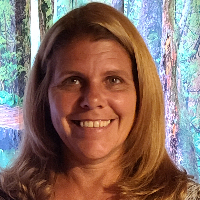
About Amanda
Amanda Polk is a licensed independent social worker with clinical practice (LISW-CP) who focuses on anxiety, stress, depression, and trauma. She brings ten years of clinical experience and a straightforward, person-first approach to sessions. Amanda aims to make therapy feel practical and understandable for people under pressure.
She draws on client-centered methods to build trust and identify what matters most to each person. Cognitive Behavioral Therapy is used to spot unhelpful thinking and test new behaviors.
Background and approach
Dialectical Behavior Therapy and mindfulness practices help with emotional regulation and staying present during intense moments. Her background includes work with adoption and foster care concerns, first responder and veteran issues, and trauma-related problems like post-traumatic stress and dissociation. Amanda also supports people dealing with relationship strain, guilt and shame, impulsivity, and mood or personality challenges.
Sessions are practical and skills-oriented. She helps people break problems into steps, try changes between sessions, and build habits that reduce panic and worry. When trauma is central, she uses focused trauma work alongside coping skills.
Amanda works with adults who want clear strategies and steady support during stressful periods. Her style is direct, compassionate, and focused on daily functioning. She aims to leave people with tools they can use the next day.
Clients access her work through video, phone, live chat, or text-based messaging, which allows flexibility for different schedules and needs. Her South Carolina practice reflects ten years of varied clinical roles and community-based experience.
Approaches that translate well to online therapy
Amanda commonly uses Cognitive Behavioral Therapy and Dialectical Behavior Therapy to help people manage anxiety and stress. CBT focuses on identifying and testing thoughts that worsen worry and on trying small behavior changes to reduce symptoms. DBT teaches concrete skills for emotion regulation, distress tolerance, and improving interpersonal effectiveness to ease conflicts and impulsive reactions.Finding the right approach is collaborative. The therapist will talk with the client about their goals, symptoms, and what has or hasn’t helped before. Together they decide which methods to try first and adjust the plan as progress is made.
Online sessions offer practical flexibility. Video calls are useful for face-to-face conversation and skills practice. Phone sessions can work when bandwidth is limited or a hands-free option is needed. Live chat and text-based messaging allow quick check-ins, brief coaching, and written reminders of skills between sessions. These options make it easier to fit therapy into work, caregiving, or busy schedules while keeping a steady course of skill-building and support.
Questions people ask
What concerns does Amanda commonly address?
What is her general therapeutic style?
How much clinical experience does she have?
What credentials and location are listed for this therapist?
In which languages are sessions offered and can international clients connect?
Which session formats are available for online work?
How does cost and billing work for sessions?
What are the first steps to begin therapy?
What this therapist works with
Most often
- Stress, Anxiety
- Relationship issues
- Family conflicts
Also listed
- Adoption and foster care
- Depression
- Dissociation
- First responder issues
- Forgiveness
- Guilt and shame
- Impulsivity
- Life purpose
- Mood disorders
- Panic disorder and panic attacks
- Personality disorders
- Phobias
- Post-traumatic stress
- Self-harm
- Self-love
- Social anxiety and phobia
- Trauma and abuse
- Trichotillomania
- Veteran and Armed Forces Issues
Therapeutic approaches
- Experience
- 10 years
- Licensed
- South Carolina
- Languages
- English
We will earn a commission if you sign up through our link, at no cost to you.