
Velma Jones, LCSW
New York · 29 yrs exp
Works with Stress, Anxiety / Relationship / Trauma and abuse +11
Works by Attachment-Based Therapy / Client-Centered Therapy
View ProfileThis page lists therapists who focus on phobias and related anxiety concerns. You will find clinicians with a range of approaches, credentials and languages - browse the listings below to review profiles and approaches that may suit you.
New York · 29 yrs exp
Works with Stress, Anxiety / Relationship / Trauma and abuse +11
Works by Attachment-Based Therapy / Client-Centered Therapy
View Profile
North Carolina · 25 yrs exp
Works with Stress, Anxiety / Relationship / Family +16
Works by Attachment-Based Therapy / Client-Centered Therapy
View Profile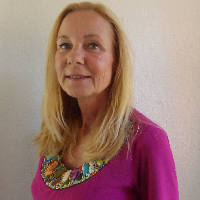
North Carolina · 30 yrs exp · 2 languages
Works with Relationship / Parenting / Anger +6
Works by Cognitive Behavioral Therapy (CBT) / Mindfulness Therapy
View Profile
California · 14 yrs exp
Works with Stress, Anxiety / Relationship / Family +10
Works by Attachment-Based Therapy / Client-Centered Therapy
View Profile
Texas · 13 yrs exp
Works with Stress, Anxiety / Relationship / Trauma and abuse +12
Works by Attachment-Based Therapy / Client-Centered Therapy
View Profile
Florida · 20 yrs exp · 2 languages
Works with Stress, Anxiety / Addictions / Relationship +17
Works by Acceptance and Commitment Therapy (ACT) / Attachment-Based Therapy
View Profile
Oregon · 26 yrs exp
Works with Stress, Anxiety / Trauma and abuse / Grief +11
Works by Acceptance and Commitment Therapy (ACT) / Attachment-Based Therapy
View Profile
Louisiana · 7 yrs exp
Works with Stress, Anxiety / Family / Trauma and abuse +16
Works by Acceptance and Commitment Therapy (ACT) / Attachment-Based Therapy
View Profile
Maryland · 6 yrs exp
Works with Stress, Anxiety / Trauma and abuse / Self esteem +11
Works by Attachment-Based Therapy / Client-Centered Therapy
View Profile
Florida · 23 yrs exp
Works with Stress, Anxiety / Addictions / Self esteem +11
Works by Client-Centered Therapy / Cognitive Behavioral Therapy (CBT)
View Profile
Michigan · 5 yrs exp
Works with Stress, Anxiety / Relationship / Family +13
Works by Acceptance and Commitment Therapy (ACT) / Cognitive Behavioral Therapy (CBT)
View Profile
North Carolina · 10 yrs exp
Works with Stress, Anxiety / Relationship / Family +17
Works by Acceptance and Commitment Therapy (ACT) / Client-Centered Therapy
View Profile
Ohio · 18 yrs exp
Works with Stress, Anxiety / Trauma and abuse / Grief +12
Works by Acceptance and Commitment Therapy (ACT) / Client-Centered Therapy
View Profile
Illinois · 10 yrs exp
Works with Stress, Anxiety / LGBT / Relationship +11
Works by Client-Centered Therapy / Emotionally-Focused Therapy (EFT)
View Profile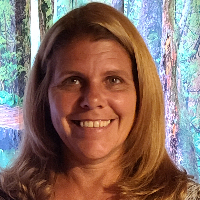
South Carolina · 10 yrs exp
Works with Stress, Anxiety / Relationship / Family +2
Works by Client-Centered Therapy / Cognitive Behavioral Therapy (CBT)
View Profile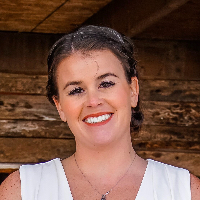
Colorado · 11 yrs exp
Works with Stress, Anxiety / LGBT / Trauma and abuse +16
Works by Acceptance and Commitment Therapy (ACT) / Client-Centered Therapy
View Profile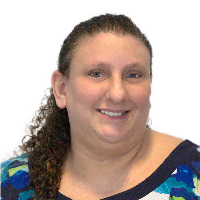
Florida · 15 yrs exp
Works with Stress, Anxiety / Addictions / Trauma and abuse +15
Works by Acceptance and Commitment Therapy (ACT) / Client-Centered Therapy
View Profile
Michigan · 21 yrs exp
Works with Stress, Anxiety / Relationship / Family +15
Works by Acceptance and Commitment Therapy (ACT) / Attachment-Based Therapy
View Profile
Texas · 22 yrs exp
Works with Stress, Anxiety / Relationship / Trauma and abuse +17
Works by Acceptance and Commitment Therapy (ACT) / Attachment-Based Therapy
View Profile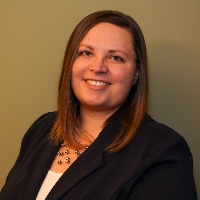
Illinois · 12 yrs exp
Works with Stress, Anxiety / Trauma and abuse / Parenting +13
Works by Client-Centered Therapy / Cognitive Behavioral Therapy (CBT)
View Profile
Massachusetts · 25 yrs exp
Works with Stress, Anxiety / Relationship / Family +15
Works by Attachment-Based Therapy / Client-Centered Therapy
View Profile
Texas · 25 yrs exp
Works with Stress, Anxiety / Family / Intimacy-related issues +16
Works by Attachment-Based Therapy / Client-Centered Therapy
View Profile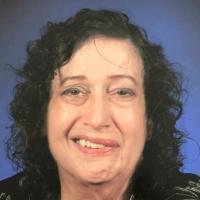
Florida · 30 yrs exp
Works with Stress, Anxiety / Grief / Anger +16
Works by Cognitive Behavioral Therapy (CBT) / Solution-Focused Therapy
View Profile
Indiana · 8 yrs exp
Works with Stress, Anxiety / Addictions / Family +16
Works by Acceptance and Commitment Therapy (ACT) / Attachment-Based Therapy
View Profile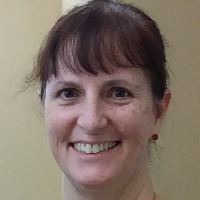
Florida · 32 yrs exp
Works with Stress, Anxiety / Addictions / Relationship +14
Works by Attachment-Based Therapy / Client-Centered Therapy
View Profile
Florida · 20 yrs exp
Works with Addictions / Relationship / Trauma and abuse +15
Works by Acceptance and Commitment Therapy (ACT) / Attachment-Based Therapy
View Profile
Virginia · 31 yrs exp
Works with Stress, Anxiety / Relationship / Family +13
Works by Attachment-Based Therapy / Client-Centered Therapy
View Profile
Florida · 17 yrs exp
Works with Stress, Anxiety / Trauma and abuse / Eating +15
Works by Acceptance and Commitment Therapy (ACT) / Client-Centered Therapy
View Profile
Mississippi · 25 yrs exp
Works with Stress, Anxiety / Relationship / Family +16
Works by Acceptance and Commitment Therapy (ACT) / Client-Centered Therapy
View Profile
Georgia · 25 yrs exp
Works with Stress, Anxiety / Parenting / Anger +16
Works by Attachment-Based Therapy / Client-Centered Therapy
View Profile
Florida · 14 yrs exp
Works with Stress, Anxiety / Trauma and abuse / Grief +14
Works by Cognitive Behavioral Therapy (CBT) / Dialectical Behavior Therapy (DBT)
View Profile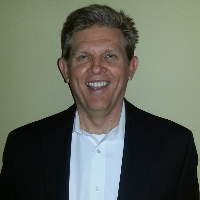
Texas · 18 yrs exp
Works with Stress, Anxiety / Relationship / Family +10
Works by Cognitive Behavioral Therapy (CBT) / Mindfulness Therapy
View Profile
Florida · 24 yrs exp
Works with Stress, Anxiety / Addictions / Grief +15
Works by Acceptance and Commitment Therapy (ACT) / Client-Centered Therapy
View Profile
Illinois · 20 yrs exp
Works with Stress, Anxiety / Grief / Self esteem +12
Works by Client-Centered Therapy / Cognitive Behavioral Therapy (CBT)
View Profile
Hawaii · 3 yrs exp
Works with Stress, Anxiety / Addictions / Relationship +2
Works by Client-Centered Therapy / Cognitive Behavioral Therapy (CBT)
View Profile
Louisiana · 10 yrs exp
Works with Stress, Anxiety / Trauma and abuse / Anger +13
Works by Attachment-Based Therapy / Client-Centered Therapy
View Profile
Alaska · 11 yrs exp
Works with Stress, Anxiety / Relationship / Family +10
Works by Client-Centered Therapy / Cognitive Behavioral Therapy (CBT)
View Profile
Ohio · 17 yrs exp
Works with Stress, Anxiety / Family / Parenting +13
Works by Attachment-Based Therapy / Client-Centered Therapy
View Profile
California · 38 yrs exp
Works with Stress, Anxiety / Addictions / Relationship +2
View Profile
Arkansas · 44 yrs exp
Works with Stress, Anxiety / Trauma and abuse / Grief +17
Works by Acceptance and Commitment Therapy (ACT) / Client-Centered Therapy
View Profile
Michigan · 31 yrs exp
Works with Stress, Anxiety / Family / Trauma and abuse +17
Works by Attachment-Based Therapy / Client-Centered Therapy
View Profile
Florida · 33 yrs exp
Works with Stress, Anxiety / LGBT / Relationship +9
Works by Client-Centered Therapy / Cognitive Behavioral Therapy (CBT)
View Profile
North Carolina · 16 yrs exp
Works with Stress, Anxiety / Addictions / Trauma and abuse +14
Works by Acceptance and Commitment Therapy (ACT) / Client-Centered Therapy
View Profile
Kansas · 17 yrs exp
Works with Stress, Anxiety / Relationship / Family +11
Works by Attachment-Based Therapy / Client-Centered Therapy
View Profile
New York · 18 yrs exp · 3 languages
Works with Stress, Anxiety / Relationship / Parenting +2
View Profile
Missouri · 17 yrs exp
Works with Stress, Anxiety / Addictions / Relationship +10
Works by Attachment-Based Therapy / Client-Centered Therapy
View Profile
Texas · 11 yrs exp · 2 languages
Works with Stress, Anxiety / Anger / Self esteem +9
Works by Acceptance and Commitment Therapy (ACT) / Client-Centered Therapy
View Profile
Wyoming · 14 yrs exp
Works with Addictions / Relationship / Depression +12
Works by Client-Centered Therapy / Cognitive Behavioral Therapy (CBT)
View ProfileA phobia is an intense, often persistent fear of a specific object, situation or activity that leads to avoidance and distress. Common examples include fears of heights, spiders, flying, needles and social situations. For many people a phobia is more than a momentary fear - it can shape choices about where you go, who you see and how you manage everyday tasks. Some phobias appear in childhood while others develop later in life, and the experience of fear can range from mild discomfort to overwhelming panic.
You may find that a phobia limits activities you once enjoyed, increases stress around certain tasks, or leads to extensive planning to avoid feared triggers. The physical sensations that accompany a phobic reaction - rapid heartbeat, sweating, shortness of breath or shaking - can be frightening and make avoidance feel like the safest option. Over time avoidance can narrow your routines and increase anxiety about encountering the trigger, which in turn reinforces the fear cycle. Understanding this pattern is the first step toward meaningful change.
You might consider seeking therapy if fear or avoidance regularly interferes with your goals, relationships or day-to-day functioning. If you find yourself turning down work assignments, social events or travel because of a fear, or if worry about a specific object or situation causes long-term stress, therapy can offer strategies to reduce the impact. Another sign is when you experience repeated intense reactions such as panic attacks in response to the trigger, or when attempts to self-manage - like gradual exposure on your own - are not producing change.
People who benefit from therapy often report that their fear feels disproportionate to the danger, that it persists despite rational understanding, or that it causes ongoing tension with family, friends or coworkers. You might also notice avoidance behaviors that add time, cost or complexity to everyday tasks. Therapy is appropriate whether your phobia is long-standing or recently developed, and whether it is causing mild discomfort or significant disruption. Talking with a clinician can help you clarify goals, learn strategies and set realistic steps toward improvement.
Your early sessions will usually focus on understanding the specifics of your fear, how it began or changed over time, and what you want to achieve. You and the clinician will talk about how the phobia affects your life and identify measurable goals, such as reducing avoidance, attending a specific event, or lowering the intensity of panic-like reactions. These conversations help shape a plan tailored to your experience, preferences and pace.
Therapy for phobias typically progresses in a structured way. Sessions may include education about how fear and avoidance work, practice of skills to manage anxiety, and gradual, supported steps toward confronting triggers. You will often work on coping strategies you can use between sessions, such as breathing techniques or cognitive reframing, and then apply those strategies in real-life situations. Progress may feel steady or uneven - setbacks are common and can be used as learning experiences rather than signs of failure.
Exposure-based work is frequently used to address phobias because it focuses on helping you face feared situations in a controlled, step-by-step way so the fear response can decrease over time. Many clinicians combine exposure with cognitive approaches that help you examine and reframe thoughts that amplify fear. You may encounter clinicians who list cognitive behavioral therapy, prolonged exposure or systematic desensitization among their approaches. When exposure is introduced it is typically guided and paced to fit your tolerance and goals.
Some therapists describe approaches such as acceptance-based methods, mindfulness-informed work, or somatic techniques that focus on bodily sensations. You will also find therapists who list EMDR among their approaches; some people find trauma-focused methods helpful when a phobia is linked to a distressing event. Each approach offers different tools - some emphasize changing thought patterns, others the body’s response or the relationship to fear itself. It can be helpful to read therapist profiles to learn which combinations of approaches they list and how they describe their work.
Online therapy allows you to meet a clinician from your home or another comfortable setting, using video or phone sessions. For some phobias online work can be advantageous because you can practice exposure in the actual environment where the fear occurs, with clinician support. Therapists may use live coaching, guided exercises during video calls, or homework assignments that you practice between sessions. If you prefer in-person work for certain exposures, some clinicians blend in-person and remote options - look for descriptions in therapist profiles to learn how they work.
When evaluating therapists for phobias, consider the ways they describe their approach, their experience with anxiety and fear-based conditions, and any notes about the populations they work with. Think about practical details that matter to you - languages spoken, therapeutic orientation as described by the clinician, and whether they mention exposure-related work or acceptance-based strategies. Reading profiles can give you a sense of whether a therapist emphasizes gradual exposure, cognitive restructuring, or body-focused approaches. It may help to prioritize clinicians who communicate a clear plan for how they address phobias and who describe how they tailor treatment to individual goals.
Before you reach out you might note a few questions you want to ask, such as how the clinician typically structures exposure work, how they measure progress, and what kinds of between-session practice they recommend. You can also ask how they adapt their methods for online sessions if remote work is important to you. While therapist profiles are a useful starting point, an initial conversation can clarify whether their approach matches your expectations and comfort level. Choosing a clinician is a personal decision - looking for a good fit in style, approach and communication can increase the chances that your work together will be productive.
Phobias are common and treatable concerns, and many people experience meaningful change with consistent, focused work. Use the listings above to explore clinicians who list phobia-focused approaches and to read about the ways they describe their practice, then follow up with those who align with your goals and preferences.
Alabama
356 therapists
Alaska
38 therapists
Arizona
324 therapists
Arkansas
179 therapists
Australia
619 therapists
California
2459 therapists
Colorado
531 therapists
Connecticut
217 therapists
Delaware
69 therapists
District of Columbia
65 therapists
Florida
2398 therapists
Georgia
872 therapists
Hawaii
90 therapists
Idaho
142 therapists
Illinois
794 therapists
Indiana
411 therapists
Iowa
112 therapists
Kansas
171 therapists
Kentucky
299 therapists
Louisiana
463 therapists
Maine
103 therapists
Maryland
421 therapists
Massachusetts
324 therapists
Michigan
792 therapists
Minnesota
304 therapists
Mississippi
240 therapists
Missouri
569 therapists
Montana
137 therapists
Nebraska
123 therapists
Nevada
134 therapists
New Hampshire
63 therapists
New Jersey
555 therapists
New Mexico
128 therapists
New York
1295 therapists
North Carolina
955 therapists
North Dakota
26 therapists
Ohio
576 therapists
Oklahoma
372 therapists
Oregon
177 therapists
Pennsylvania
807 therapists
Rhode Island
48 therapists
South Carolina
437 therapists
South Dakota
44 therapists
Tennessee
382 therapists
Texas
2519 therapists
United Kingdom
4241 therapists
Utah
224 therapists
Vermont
46 therapists
Virginia
516 therapists
Washington
326 therapists
West Virginia
75 therapists
Wisconsin
382 therapists
Wyoming
69 therapists