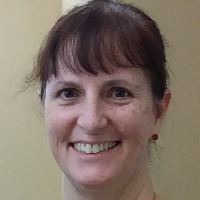
About Melinda
Dr. Melinda Lawless Coker helps people manage anxiety, stress, addiction, depression, and relationship strain. She is a licensed marriage and family therapist with more than three decades of clinical work.
She practices in Florida and offers therapy in English. She uses a relational lens to understand problems. That means she looks at patterns in how people connect with others and how those patterns affect feelings and choices.
Sessions focus on building emotional awareness, clearer boundaries, and practical skills to handle distressing moments.
Background and approach
Her approach blends talk therapy with action. Cognitive Behavioral Therapy helps people spot and change unhelpful thoughts. Dialectical Behavior Therapy teaches skills for emotion regulation and distress tolerance.
Attachment-based work explores how early bonds shape current relationships. Dr. Coker's background includes inpatient substance treatment, county programs, high school counseling, outpatient psychotherapy, drug court work, and women's prison services.
She has supported people facing trauma such as sexual assault, domestic violence, and other abuse, as well as those coping with mood disorders and personality challenges. In sessions she aims to set clear boundaries and identify emotional needs so each person can make healthier choices. She invites questions and conversation about goals, preferences, and what will make therapy useful.
People who prefer remote options can choose video, phone, chat, or text formats.
Therapeutic approaches and online options
Attachment-Based Therapy looks at how early relationships shape current patterns. It helps people understand why they react a certain way in close relationships and works on building more stable connections. Cognitive Behavioral Therapy, or CBT, focuses on the link between thoughts, feelings, and behaviors. It teaches practical tools to challenge unhelpful thoughts and try different actions that reduce anxiety and mood symptoms. Dialectical Behavior Therapy, or DBT, emphasizes emotion regulation and distress tolerance and is useful for intense emotions and relationship conflict.Choosing the right approach is a collaborative process. The therapist will talk with each person about goals, what has or hasn’t helped before, and preferences for skills-based work versus exploration of relationship patterns. Together they will adjust methods as progress unfolds.
Online therapy offers flexibility for varied schedules and needs. Video calls let people work face-to-face from wherever they are, while phone sessions can fit into a work break or require less bandwidth. Live chat and text-based messaging provide brief check-ins and ongoing support between longer sessions. These options make it easier to maintain continuity of care when life gets busy or travel is necessary.
Questions people ask
What kinds of concerns does she address?
How would you describe her therapy style?
What is her clinical background?
What credentials and location are listed?
Which languages and international options are available?
What session formats are offered?
How are costs handled?
What are the first steps to begin therapy?
What this therapist works with
Most often
- Stress, Anxiety
- Addictions
- Relationship issues
Also listed
- Abandonment
- ADHD
- Anger management
- Attachment issues
- Avoidant personality
- Bipolar disorder
- Blended family issues
- Body image
- Career difficulties
- Caregiver issues and stress
- Co-morbidity
- Codependency
- Commitment issues
- Communication problems
- Compassion fatigue
- Control issues
- Coping with life changes
- Coping with natural or human-caused disaster
- Dependent personality
- Depression
- Disruptive Mood Dysregulation Disorder (DMDD)
- Dissociation
- Divorce and separation
- Domestic violence
- Drug and alcohol addiction
- Emptiness
- Family conflicts
- Family of origin issues
- Family problems
- Fatherhood issues
- First responder issues
- Gender dysphoria
- Grief
- Guilt and shame
- HIV / AIDS
- Hospice and end-of-life counseling
- Impulsivity
- Intimacy-related issues
- Isolation / loneliness
- Jealousy
- LGBT
- Life purpose
- Men's issues
- Mood disorders
- Multicultural concerns
- Panic disorder and panic attacks
- Parenting issues
- Personality disorders
- Phobias
- Polyamory / non-monogamous relationships
- Post-traumatic stress
- Postpartum depression
- Prejudice and discrimination
- Process addiction (porn, exercise, gambling)
- Seasonal Affective Disorder (SAD)
- Self esteem
- Self-harm
- Self-love
- Sexual assault and abuse
- Sexuality
- Smoking / vaping cessation
- Social anxiety and phobia
- Somatization
- Trauma and abuse
- Traumatic brain injury
- Veteran and Armed Forces Issues
- Women's issues
- Workplace issues
- Young adult issues
Therapeutic approaches
- Experience
- 32 years
- Licensed
- Florida
- Languages
- English
We will earn a commission if you sign up through our link, at no cost to you.