
Anne Douglas, LMFT
North Carolina · 25 yrs exp
Works with Stress, Anxiety / Relationship / Family +16
Works by Attachment-Based Therapy / Client-Centered Therapy
View ProfileOn this page you'll find therapists who focus on hospice and end-of-life counseling, offering support around grief, legacy, and caregiving. Browse the listings below to review approaches, languages, and professional backgrounds and find someone who may match your needs.
North Carolina · 25 yrs exp
Works with Stress, Anxiety / Relationship / Family +16
Works by Attachment-Based Therapy / Client-Centered Therapy
View Profile
Michigan · 25 yrs exp
Works with Stress, Anxiety / LGBT / Relationship +11
Works by Attachment-Based Therapy / Cognitive Behavioral Therapy (CBT)
View Profile
Colorado · 19 yrs exp · 2 languages
Works with Stress, Anxiety / Relationship / Trauma and abuse +13
Works by Acceptance and Commitment Therapy (ACT) / Attachment-Based Therapy
View Profile
Missouri · 23 yrs exp
Works with Stress, Anxiety / Addictions / Trauma and abuse +11
Works by Client-Centered Therapy / Cognitive Behavioral Therapy (CBT)
View Profile
Mississippi · 16 yrs exp
Works with Stress, Anxiety / Relationship / Family +7
Works by Cognitive Behavioral Therapy (CBT) / Gottman Method
View Profile
Oregon · 26 yrs exp
Works with Stress, Anxiety / Trauma and abuse / Grief +11
Works by Acceptance and Commitment Therapy (ACT) / Attachment-Based Therapy
View Profile
Colorado · 15 yrs exp
Works with Stress, Anxiety / Relationship / Intimacy-related issues +11
Works by Acceptance and Commitment Therapy (ACT) / Attachment-Based Therapy
View Profile
Louisiana · 7 yrs exp
Works with Stress, Anxiety / Family / Trauma and abuse +16
Works by Acceptance and Commitment Therapy (ACT) / Attachment-Based Therapy
View Profile
Maryland · 6 yrs exp
Works with Stress, Anxiety / Trauma and abuse / Self esteem +11
Works by Attachment-Based Therapy / Client-Centered Therapy
View Profile
Texas · 22 yrs exp
Works with Stress, Anxiety / Grief / Career +10
Works by Client-Centered Therapy / Cognitive Behavioral Therapy (CBT)
View Profile
Missouri · 16 yrs exp
Works with Stress, Anxiety / Trauma and abuse / Self esteem +13
Works by Client-Centered Therapy / Cognitive Behavioral Therapy (CBT)
View Profile
New York · 11 yrs exp
Works with Stress, Anxiety / Grief / Self esteem +9
Works by Acceptance and Commitment Therapy (ACT) / Attachment-Based Therapy
View Profile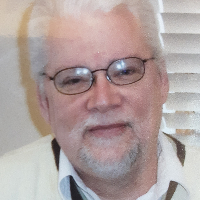
Michigan · 45 yrs exp
Works with Stress, Anxiety / Addictions / Trauma and abuse +11
Works by Client-Centered Therapy / Cognitive Behavioral Therapy (CBT)
View Profile
Ohio · 33 yrs exp
Works with Stress, Anxiety / Family / Trauma and abuse +13
Works by Client-Centered Therapy / Cognitive Behavioral Therapy (CBT)
View Profile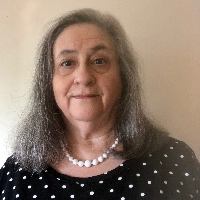
Mississippi · 23 yrs exp
Works with Stress, Anxiety / Grief / Anger +9
Works by Cognitive Behavioral Therapy (CBT) / Mindfulness Therapy
View Profile
Georgia · 14 yrs exp
Works with Stress, Anxiety / LGBT / Trauma and abuse +10
Works by Client-Centered Therapy / Cognitive Behavioral Therapy (CBT)
View Profile
Florida · 18 yrs exp
Works with Stress, Anxiety / Relationship / Grief +13
Works by Client-Centered Therapy / Cognitive Behavioral Therapy (CBT)
View Profile
Texas · 21 yrs exp
Works with Stress, Anxiety / Relationship / Trauma and abuse +16
Works by Acceptance and Commitment Therapy (ACT) / Client-Centered Therapy
View Profile
Louisiana · 10 yrs exp
Works with Stress, Anxiety / Grief / Anger +9
Works by Client-Centered Therapy / Cognitive Behavioral Therapy (CBT)
View Profile
Missouri · 14 yrs exp
Works with Stress, Anxiety / Self esteem / Career +14
Works by Acceptance and Commitment Therapy (ACT) / Attachment-Based Therapy
View Profile
Delaware · 8 yrs exp
Works with Relationship / Family / Trauma and abuse +12
View Profile
Illinois · 25 yrs exp
Works with Stress, Anxiety / Self esteem / Career +11
Works by Client-Centered Therapy / Cognitive Behavioral Therapy (CBT)
View Profile
Florida · 32 yrs exp
Works with Stress, Anxiety / Addictions / Relationship +14
Works by Attachment-Based Therapy / Client-Centered Therapy
View Profile
Virginia · 31 yrs exp
Works with Stress, Anxiety / Relationship / Family +13
Works by Attachment-Based Therapy / Client-Centered Therapy
View Profile
Mississippi · 25 yrs exp
Works with Stress, Anxiety / Relationship / Family +16
Works by Acceptance and Commitment Therapy (ACT) / Client-Centered Therapy
View Profile
Texas · 20 yrs exp
Works with Stress, Anxiety / Addictions / Family +16
Works by Client-Centered Therapy / Cognitive Behavioral Therapy (CBT)
View Profile
North Carolina · 10 yrs exp
Works with Stress, Anxiety / LGBT / Relationship +14
Works by Existential Therapy / Mindfulness Therapy
View Profile
Florida · 10 yrs exp
Works with Stress, Anxiety / Trauma and abuse / Grief +13
Works by Client-Centered Therapy / Cognitive Behavioral Therapy (CBT)
View Profile
Pennsylvania · 25 yrs exp
Works with Stress, Anxiety / Family / Grief +2
Works by Client-Centered Therapy / Cognitive Behavioral Therapy (CBT)
View Profile
Illinois · 12 yrs exp
Works with Trauma and abuse / Self esteem / Coping with life changes +9
Works by Acceptance and Commitment Therapy (ACT) / Attachment-Based Therapy
View Profile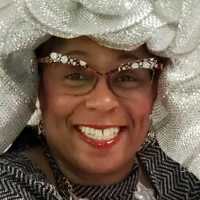
Michigan · 24 yrs exp
Works with Stress, Anxiety / Addictions / Relationship +2
Works by Client-Centered Therapy / Cognitive Behavioral Therapy (CBT)
View Profile
Ohio · 17 yrs exp
Works with Stress, Anxiety / Family / Parenting +13
Works by Attachment-Based Therapy / Client-Centered Therapy
View Profile
Louisiana · 28 yrs exp
Works with Stress, Anxiety / Relationship / Grief +16
Works by Acceptance and Commitment Therapy (ACT) / Attachment-Based Therapy
View Profile
Florida · 13 yrs exp
Works with Stress, Anxiety / Self esteem / Depression +8
Works by Acceptance and Commitment Therapy (ACT) / Client-Centered Therapy
View Profile
Arkansas · 44 yrs exp
Works with Stress, Anxiety / Trauma and abuse / Grief +17
Works by Acceptance and Commitment Therapy (ACT) / Client-Centered Therapy
View Profile
California · 20 yrs exp
Works with Stress, Anxiety / Relationship / Family +16
Works by Cognitive Behavioral Therapy (CBT) / Motivational Interviewing
View Profile
Missouri · 35 yrs exp
Works with Stress, Anxiety / Trauma and abuse / Anger +14
Works by Acceptance and Commitment Therapy (ACT) / Client-Centered Therapy
View Profile
Texas · 10 yrs exp
Works with Stress, Anxiety / LGBT / Relationship +13
Works by Attachment-Based Therapy / Client-Centered Therapy
View Profile
Florida · 33 yrs exp
Works with Stress, Anxiety / LGBT / Relationship +9
Works by Client-Centered Therapy / Cognitive Behavioral Therapy (CBT)
View Profile
Texas · 5 yrs exp
Works with Stress, Anxiety / Relationship / Family +10
View Profile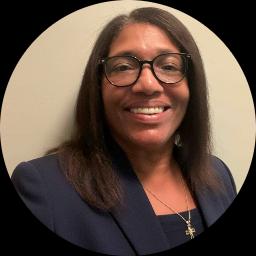
Mississippi · 36 yrs exp
Works with Family / Parenting / Anger +12
Works by Acceptance and Commitment Therapy (ACT) / Attachment-Based Therapy
View Profile
Florida · 20 yrs exp
Works with Stress, Anxiety / Trauma and abuse / Grief +13
Works by Client-Centered Therapy / Cognitive Behavioral Therapy (CBT)
View Profile
Illinois · 25 yrs exp
Works with Stress, Anxiety / Grief / Parenting +2
Works by Client-Centered Therapy / Emotionally-Focused Therapy (EFT)
View Profile
Missouri · 17 yrs exp
Works with Stress, Anxiety / Addictions / Relationship +10
Works by Attachment-Based Therapy / Client-Centered Therapy
View Profile
California · 5 yrs exp
Works with Stress, Anxiety / Relationship / Family +14
Works by Acceptance and Commitment Therapy (ACT) / Client-Centered Therapy
View Profile
Colorado · 15 yrs exp
Works with Stress, Anxiety / Grief / Depression +11
Works by Acceptance and Commitment Therapy (ACT) / Client-Centered Therapy
View Profile
New York · 25 yrs exp · 2 languages
Works with Stress, Anxiety / Grief / Anger +7
Works by Client-Centered Therapy / Cognitive Behavioral Therapy (CBT)
View Profile
North Carolina · 13 yrs exp
Works with Stress, Anxiety / Addictions / Intimacy-related issues +11
Works by Acceptance and Commitment Therapy (ACT) / Client-Centered Therapy
View ProfileHospice and end-of-life counseling is a form of emotional and practical support offered to people who are facing terminal illness, nearing the end of life, or navigating grief after a loss. When you encounter life-limiting illness or the death of someone close, your world can shift in sudden and unpredictable ways. You may find yourself confronting questions about meaning, identity, relationships, and the practicalities of care and decision-making. Those shifts often bring a complex mix of emotions - sadness, anger, relief, guilt, and fear - and they can show up in how you sleep, how you relate to family, and how you make plans.
Counseling in this context often focuses on helping you manage emotional distress while also supporting communication, planning, and the creation of meaningful rituals or legacies. It is not only for people who are dying. Caregivers, family members, and friends frequently seek this specialty to navigate caregiving stress, grief before a death occurs, and the transition to bereavement afterward. The work can be practical and emotional, combining short-term coping strategies with deeper exploration of values and what matters most as life changes.
You might consider counseling if you notice persistent emotional or relational strain related to a terminal diagnosis or the prospect of loss. If you are having trouble focusing, sleeping, or performing daily tasks because of worry about illness or impending bereavement, therapy can offer structured support to manage those symptoms and create strategies to function. When conversations with family break down, or when you avoid talking about plans and wishes because they feel overwhelming, a counselor can help you communicate more clearly and compassionately. Caregiver burnout is another common sign - when constant care duties leave you exhausted, resentful, or withdrawn, counseling can help you balance responsibilities with your own emotional needs.
Grief that feels stuck or that intensifies rather than gradually eases after a loss may also indicate a need for professional support. You do not need to wait until distress becomes severe to seek help. Many people reach out to therapists during the anticipatory phase - while a loved one is ill - to prepare emotionally and practically. Others come after a death to work through complicated feelings or to process unfinished conversations. If you are questioning values, exploring legacy concerns, or struggling to find ways to remember and honor a life, counseling can provide tools and space to do that work.
Therapy in this specialty typically begins with an initial conversation to understand your current situation, your goals, and the people involved. That assessment helps the therapist shape a plan that might include individual sessions focused on emotion regulation, family sessions to improve communication, or bereavement-focused support after a death. You can expect a blend of practical problem-solving and reflective work. Practical elements could include coping techniques for anxiety or sleep disruption, guidance on conversation starters for wishes and caregiving, and strategies to manage caregiving tasks without sacrificing your own well-being.
Reflective work often involves exploring meaning, regrets, and what legacy looks like for you and your loved ones. Some sessions may focus on memory work, life review, or creating rituals that help mark transitions. The pace and focus depend on your priorities. Counselors may also support advance care planning conversations by helping you clarify values and prepare language for healthcare discussions, though they do not replace medical or legal advisors. Family sessions can be particularly helpful for aligning expectations and reducing conflict, allowing everyone to express fears and wishes in a guided setting. You should expect the therapist to listen for your cultural background, spiritual beliefs, and personal values and to adapt the work accordingly.
Practitioners working in this area draw on a variety of approaches to meet different needs. You may find therapists who list meaning-centered therapy among their approaches, which focuses on cultivating a sense of purpose and coherence in the face of mortality. Narrative approaches invite you to tell and reorganize the story of your life or the life of a loved one, creating a framework that can reduce distress and highlight resilience. Grief-focused therapies address the emotional and behavioral responses to loss, helping you navigate stages of mourning and integrate the loss into ongoing life.
Other approaches that commonly appear include mindfulness-based strategies and acceptance-oriented therapies that teach ways to tolerate difficult emotions without becoming overwhelmed. Cognitive-behavioral techniques can help you identify and shift unhelpful thought patterns that exacerbate anxiety or guilt. Emotion-focused methods support the expression and processing of strong feelings, while expressive practices such as life review, letter writing, or guided imagery can aid in legacy work. You may also encounter therapists who list spiritual or pastoral approaches among their methods, which can be useful if faith or spiritual questions are central to your concerns. When reviewing profiles, look for therapists who describe the approaches that resonate with your needs and values, remembering that a listed approach indicates an interest or use rather than a formal credential.
Online therapy has become an important option for people seeking hospice and end-of-life counseling, especially when mobility, caregiving duties, or distance make in-person meetings difficult. In online sessions you may meet with a therapist by video, phone, or text-based messaging depending on the service and your preferences. Video sessions allow face-to-face communication and the ability to include family members in separate locations. Phone sessions can be easier when video is logistically or emotionally challenging. Messaging programs offer ongoing check-ins and may supplement synchronous sessions.
When choosing a therapist, consider several practical and personal factors. Start by reading profiles to learn about the therapist's focus areas, approaches, languages spoken, and professional credentials. A therapist who lists experience with caregiving stress, grief, or end-of-life conversations among their specialties may be a good match for your needs. Think about whether you prefer someone who centers meaning-based work, practical coping strategies, family facilitation, or spiritual considerations. Pay attention to how a therapist describes their approach to family involvement, since end-of-life work often benefits from coordinated support.
Ask about logistics that matter to you - the typical session format, how they work with family members or care teams, and what kinds of resources they may provide between sessions. It is reasonable to ask about their experience with bereavement, advance care discussions, or legacy projects without expecting guarantees about outcomes. Consider language and cultural competency if those aspects of care are important, and look for therapists who indicate familiarity with the cultural or faith frameworks that inform your perspective. Finally, trust your sense of fit. The therapeutic relationship is central to effective support, so if a therapist's communication style and stated approach align with what you need, that is often the best starting point for meaningful work.
Whether you connect online or in person, counseling for hospice and end-of-life concerns aims to help you navigate a difficult chapter with greater clarity, communication, and emotional coping. The process can help you and the people you love make choices that reflect what matters most, build ways to remember and honor lives, and find practical strategies to manage day-to-day stress. Take your time reviewing profiles below and reach out to a few therapists to ask questions and learn how they describe their work with people facing similar concerns.
Alabama
356 therapists
Alaska
38 therapists
Arizona
324 therapists
Arkansas
179 therapists
Australia
619 therapists
California
2459 therapists
Colorado
531 therapists
Connecticut
217 therapists
Delaware
69 therapists
District of Columbia
65 therapists
Florida
2398 therapists
Georgia
872 therapists
Hawaii
90 therapists
Idaho
142 therapists
Illinois
794 therapists
Indiana
411 therapists
Iowa
112 therapists
Kansas
171 therapists
Kentucky
299 therapists
Louisiana
463 therapists
Maine
103 therapists
Maryland
421 therapists
Massachusetts
324 therapists
Michigan
792 therapists
Minnesota
304 therapists
Mississippi
240 therapists
Missouri
569 therapists
Montana
137 therapists
Nebraska
123 therapists
Nevada
134 therapists
New Hampshire
63 therapists
New Jersey
555 therapists
New Mexico
128 therapists
New York
1295 therapists
North Carolina
955 therapists
North Dakota
26 therapists
Ohio
576 therapists
Oklahoma
372 therapists
Oregon
177 therapists
Pennsylvania
807 therapists
Rhode Island
48 therapists
South Carolina
437 therapists
South Dakota
44 therapists
Tennessee
382 therapists
Texas
2519 therapists
United Kingdom
4241 therapists
Utah
224 therapists
Vermont
46 therapists
Virginia
516 therapists
Washington
326 therapists
West Virginia
75 therapists
Wisconsin
382 therapists
Wyoming
69 therapists