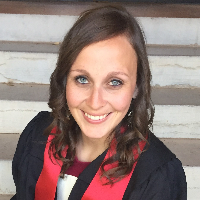
About Sydney
Dr. Sydney Crane is a Licensed Marriage and Family Therapist (LMFT) based in Texas with ten years of clinical experience. She focuses on helping people who are stressed or anxious and those facing grief, depression, relationship struggles, and other life changes.
She brings a calm, steady presence and a practical approach to sessions. She begins by listening to what matters most to each person. Her style is client-centered and collaborative - she helps people set goals and chooses tools that fit their needs.
Background and approach
Sessions often include talking through patterns, learning new coping skills, and practicing small changes between meetings. Dr. Crane draws on attachment-based ideas to look at how early relationships affect current bonds.
She also uses cognitive behavioral techniques to help people notice and shift unhelpful thoughts and behaviors. Mindfulness practices are introduced when helpful to reduce stress and build moment-to-moment awareness. Because she has worked in both a children’s behavioral health clinic and a hospice-related nonprofit, she is familiar with loss, caregiver stress, and complex family dynamics.
That background shapes how she helps people cope with chronic illness, end-of-life concerns, and major transitions. Her work is practical and paced to each person. Expect clear explanations, respectful conversation, and steps to try between sessions.
Dr. Crane aims to help people feel steadier, think more clearly, and move toward the life they want.
Approaches and how they work online
Dr. Crane commonly uses Attachment-Based Therapy to examine how early relationships affect current connections; this helps when people notice repeating patterns in close relationships or feel unsafe in intimacy. She also draws on Cognitive Behavioral Therapy (CBT) to identify unhelpful thoughts and test new behaviors, which is useful for managing anxiety and mood. Mindfulness techniques are used alongside these approaches to build skills for staying present and reducing stress.Finding the right approach is part of the work. The therapist collaborates with each person to choose methods that match their needs, goals, and preferences. Together they review what feels helpful, adjust methods over time, and set small, achievable steps to practice between sessions.
Online therapy offers flexibility in how sessions are delivered. Video calls allow face-to-face conversation and visual cues, phone sessions work well when bandwidth or camera use is limited, and live chat or text-based messaging can support shorter check-ins or ongoing reflection between meetings. These options make it easier to fit therapy into a busy schedule and to keep continuity when travel or changes in routine occur.
Questions people ask
What kinds of problems does she help with?
What is her therapeutic style like?
How much clinical experience does she have?
Where is she licensed and located?
Can I work with her if I live in another country?
What session formats are available?
How does payment and cost work?
How do I begin working with her?
What this therapist works with
Most often
- Stress, Anxiety
- LGBT
- Relationship issues
Also listed
- Abandonment
- Addictions
- Aging and geriatric issues
- Anger management
- Attachment issues
- Cancer
- Career difficulties
- Caregiver issues and stress
- Chronic pain, illness, and disability
- Codependency
- Communication problems
- Compassion fatigue
- Coping with life changes
- Depression
- Divorce and separation
- Eating disorders
- Emptiness
- Family conflicts
- Family problems
- Forgiveness
- Grief
- Guilt and shame
- Hospice and end-of-life counseling
- Intimacy-related issues
- Isolation / loneliness
- Life purpose
- Parenting issues
- Self esteem
- Self-love
- Sexuality
- Trauma and abuse
- Workplace issues
Therapeutic approaches
- Experience
- 10 years
- Licensed
- Texas, Massachusetts
- Languages
- English
We will earn a commission if you sign up through our link, at no cost to you.