
Anne Douglas, LMFT
North Carolina · 25 yrs exp
Works with Stress, Anxiety / Relationship / Family +16
Works by Attachment-Based Therapy / Client-Centered Therapy
View ProfileThis page lists therapists who list sexuality as a specialty, including support for desire, orientation, gender expression and sexual health. Browse the listings below to compare approaches, credentials, languages and experience and find a therapist who feels like a good match.
North Carolina · 25 yrs exp
Works with Stress, Anxiety / Relationship / Family +16
Works by Attachment-Based Therapy / Client-Centered Therapy
View Profile
Texas · 30 yrs exp
Works with Stress, Anxiety / Addictions / Anger +14
Works by Cognitive Behavioral Therapy (CBT) / Mindfulness Therapy
View Profile
Texas · 20 yrs exp
Works with Stress, Anxiety / LGBT / Relationship +17
Works by Acceptance and Commitment Therapy (ACT) / Cognitive Behavioral Therapy (CBT)
View Profile
Michigan · 25 yrs exp
Works with Stress, Anxiety / LGBT / Relationship +11
Works by Attachment-Based Therapy / Cognitive Behavioral Therapy (CBT)
View Profile
Colorado · 19 yrs exp · 2 languages
Works with Stress, Anxiety / Relationship / Trauma and abuse +13
Works by Acceptance and Commitment Therapy (ACT) / Attachment-Based Therapy
View Profile
California · 14 yrs exp
Works with Stress, Anxiety / Relationship / Family +10
Works by Attachment-Based Therapy / Client-Centered Therapy
View Profile
Florida · 20 yrs exp · 2 languages
Works with Stress, Anxiety / Addictions / Relationship +17
Works by Acceptance and Commitment Therapy (ACT) / Attachment-Based Therapy
View Profile
Missouri · 23 yrs exp
Works with Stress, Anxiety / Addictions / Trauma and abuse +11
Works by Client-Centered Therapy / Cognitive Behavioral Therapy (CBT)
View Profile
Kansas · 12 yrs exp
Works with Stress, Anxiety / Relationship / Intimacy-related issues +14
Works by Client-Centered Therapy / Cognitive Behavioral Therapy (CBT)
View Profile
Kentucky · 18 yrs exp
Works with LGBT / Relationship / Family +15
Works by Attachment-Based Therapy / Client-Centered Therapy
View Profile
Colorado · 15 yrs exp
Works with Stress, Anxiety / Relationship / Intimacy-related issues +11
Works by Acceptance and Commitment Therapy (ACT) / Attachment-Based Therapy
View Profile
North Carolina · 28 yrs exp
Works with Stress, Anxiety / Addictions / LGBT +13
Works by Client-Centered Therapy / Mindfulness Therapy
View Profile
Florida · 25 yrs exp · 2 languages
Works with Relationship / Trauma and abuse / Grief +13
Works by Client-Centered Therapy / Eye Movement Desensitization and Reprocessing (EMDR)
View Profile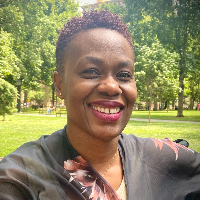
Oklahoma · 7 yrs exp
Works with Stress, Anxiety / Relationship / Grief +9
Works by Client-Centered Therapy / Cognitive Behavioral Therapy (CBT)
View Profile
Maryland · 6 yrs exp
Works with Stress, Anxiety / Trauma and abuse / Self esteem +11
Works by Attachment-Based Therapy / Client-Centered Therapy
View Profile
New York · 5 yrs exp · 2 languages
Works with Stress, Anxiety / LGBT / Trauma and abuse +13
Works by Acceptance and Commitment Therapy (ACT) / Attachment-Based Therapy
View Profile
Pennsylvania · 12 yrs exp
Works with Stress, Anxiety / Relationship / Self esteem +12
Works by Client-Centered Therapy / Cognitive Behavioral Therapy (CBT)
View Profile
North Carolina · 10 yrs exp
Works with Stress, Anxiety / Relationship / Family +17
Works by Acceptance and Commitment Therapy (ACT) / Client-Centered Therapy
View Profile
Florida · 15 yrs exp
Works with Relationship / Family / Intimacy-related issues +5
View Profile
Texas · 10 yrs exp
Works with Stress, Anxiety / Relationship / Family +15
Works by Acceptance and Commitment Therapy (ACT) / Attachment-Based Therapy
View Profile
Florida · 26 yrs exp
Works with Stress, Anxiety / Relationship / Anger +14
Works by Client-Centered Therapy / Cognitive Behavioral Therapy (CBT)
View Profile
Illinois · 10 yrs exp
Works with Stress, Anxiety / LGBT / Relationship +11
Works by Client-Centered Therapy / Emotionally-Focused Therapy (EFT)
View Profile
Oklahoma · 30 yrs exp
Works with Stress, Anxiety / Grief / Intimacy-related issues +9
Works by Client-Centered Therapy / Cognitive Behavioral Therapy (CBT)
View Profile
Georgia · 14 yrs exp
Works with Stress, Anxiety / LGBT / Trauma and abuse +10
Works by Client-Centered Therapy / Cognitive Behavioral Therapy (CBT)
View Profile
New Jersey · 22 yrs exp
Works with Stress, Anxiety / LGBT / Relationship +11
Works by Acceptance and Commitment Therapy (ACT) / Attachment-Based Therapy
View Profile
Colorado · 11 yrs exp
Works with Stress, Anxiety / LGBT / Trauma and abuse +16
Works by Acceptance and Commitment Therapy (ACT) / Client-Centered Therapy
View Profile
Texas · 21 yrs exp
Works with Stress, Anxiety / Relationship / Trauma and abuse +16
Works by Acceptance and Commitment Therapy (ACT) / Client-Centered Therapy
View Profile
California · 8 yrs exp
Works with Stress, Anxiety / Addictions / Relationship +16
Works by Attachment-Based Therapy / Client-Centered Therapy
View Profile
Illinois · 12 yrs exp
Works with Stress, Anxiety / Trauma and abuse / Parenting +13
Works by Client-Centered Therapy / Cognitive Behavioral Therapy (CBT)
View Profile
Georgia · 19 yrs exp
Works with Stress, Anxiety / Addictions / Trauma and abuse +12
View Profile
Delaware · 8 yrs exp
Works with Relationship / Family / Trauma and abuse +12
View Profile
Texas · 25 yrs exp
Works with Stress, Anxiety / Family / Intimacy-related issues +16
Works by Attachment-Based Therapy / Client-Centered Therapy
View Profile
Florida · 30 yrs exp
Works with Stress, Anxiety / Relationship / Intimacy-related issues +9
Works by Client-Centered Therapy / Cognitive Behavioral Therapy (CBT)
View Profile
Louisiana · 14 yrs exp
Works with Stress, Anxiety / Anger / Self esteem +10
View Profile
Indiana · 8 yrs exp
Works with Stress, Anxiety / Addictions / Family +16
Works by Acceptance and Commitment Therapy (ACT) / Attachment-Based Therapy
View Profile
Florida · 32 yrs exp
Works with Stress, Anxiety / Addictions / Relationship +14
Works by Attachment-Based Therapy / Client-Centered Therapy
View Profile
Florida · 20 yrs exp
Works with Addictions / Relationship / Trauma and abuse +15
Works by Acceptance and Commitment Therapy (ACT) / Attachment-Based Therapy
View Profile
Tennessee · 35 yrs exp
Works with Stress, Anxiety / Grief / Self esteem +9
Works by Acceptance and Commitment Therapy (ACT) / Client-Centered Therapy
View Profile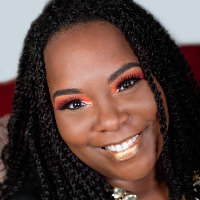
North Carolina · 30 yrs exp
Works with LGBT / Relationship / Family +14
Works by Acceptance and Commitment Therapy (ACT) / Attachment-Based Therapy
View Profile
Georgia · 25 yrs exp
Works with Stress, Anxiety / Parenting / Anger +16
Works by Attachment-Based Therapy / Client-Centered Therapy
View Profile
Florida · 14 yrs exp
Works with Stress, Anxiety / Trauma and abuse / Grief +14
Works by Cognitive Behavioral Therapy (CBT) / Dialectical Behavior Therapy (DBT)
View Profile
Texas · 20 yrs exp
Works with Stress, Anxiety / Addictions / Family +16
Works by Client-Centered Therapy / Cognitive Behavioral Therapy (CBT)
View Profile
North Carolina · 10 yrs exp
Works with Stress, Anxiety / LGBT / Relationship +14
Works by Existential Therapy / Mindfulness Therapy
View Profile
Florida · 24 yrs exp
Works with Stress, Anxiety / Addictions / Grief +15
Works by Acceptance and Commitment Therapy (ACT) / Client-Centered Therapy
View Profile
Florida · 10 yrs exp
Works with Stress, Anxiety / Trauma and abuse / Grief +13
Works by Client-Centered Therapy / Cognitive Behavioral Therapy (CBT)
View Profile
Louisiana · 16 yrs exp
Works with Stress, Anxiety / Relationship / Career +15
Works by Client-Centered Therapy / Cognitive Behavioral Therapy (CBT)
View Profile
Oregon · 15 yrs exp
Works with Stress, Anxiety / Addictions / Relationship +13
Works by Client-Centered Therapy / Cognitive Behavioral Therapy (CBT)
View Profile
Illinois · 12 yrs exp
Works with Trauma and abuse / Self esteem / Coping with life changes +9
Works by Acceptance and Commitment Therapy (ACT) / Attachment-Based Therapy
View ProfileSexuality is a broad, personal aspect of who you are. It includes sexual orientation, attraction, desire, behavior, gender identity, intimacy, and how you relate to others emotionally and physically. For many people sexuality is intertwined with self-esteem, relationships and overall wellbeing. When aspects of sexuality feel confusing, distressing, or out of sync with the life you want to lead, it can shape your mood, stress levels and relationship patterns.
Sexual questions can emerge at any life stage. You might find yourself rethinking desire after a relationship change, exploring identity, struggling with changes after a medical event, or navigating differences with a partner. Cultural messages, religious upbringing and past experiences can add layers of complexity. Therapy that attends to sexuality aims to create space for honest exploration and practical steps you can use outside sessions to feel more integrated in your life.
You may consider seeking help when sexuality-related issues feel overwhelming or interfere with what matters most to you. If you notice persistent distress about desire, difficulty forming or keeping intimate relationships, anxiety around sexual encounters, or confusion about identity, these are common reasons people reach out. Sexual pain, performance anxiety, and the emotional fallout of infidelity or coercive experiences are also frequent concerns.
Other signs include recurring shame or avoidance related to sexual thoughts or behaviors, disagreements with a partner that resist resolution, or situations where sexual concerns are affecting work or daily functioning. Therapy can help you sort out what is causing distress, learn tools for communication and sexual wellbeing, and develop a clearer sense of what you want and how to pursue it thoughtfully. If you are managing related mental health symptoms such as depression, anxiety, or trauma responses, addressing sexuality can be an important part of a broader treatment plan.
Early sessions typically focus on listening and understanding your goals. Your therapist will invite you to share what brought you in, what a meaningful improvement would look like, and any history that feels relevant. Discussions might include your sexual history, relationship patterns, cultural background, health factors and current stressors. You should expect a gradual pace - some topics are sensitive and require time to feel comfortable discussing.
Therapy often blends emotional processing with skill-building. You might work on communication strategies for talking about needs and boundaries, learn anxiety management techniques for performance concerns, or practice exercises to reconnect with bodily sensation and desire. Sessions can also involve partners when appropriate, with attention to consent and mutual goals. Your therapist may suggest coordinating with medical providers if there are health or medication factors that relate to sexual functioning. Throughout, the focus is on practical steps and personal insight tailored to your priorities.
Therapists take different theoretical routes when addressing sexuality. Some use approaches that emphasize thoughts and behavior, helping you identify patterns that increase anxiety or avoidance and teaching skills to shift them. Others focus on emotions and attachment, exploring how early relationships shape intimacy and patterns in adult connections. There are also therapists who list trauma-informed approaches among their methods, which can be important when sexual concerns are linked to past harm. When reading therapist profiles you will often see descriptions like "therapists who list cognitive-behavioral therapy among their approaches" or "therapists who list psychodynamic work among their approaches". Those phrases reflect how a therapist describes their way of working rather than an external credential.
Online therapy has expanded options for people seeking help with sexuality. Working remotely allows you to connect from a familiar environment, and it can increase access to therapists who have experience with specific identity or relationship concerns. Telehealth sessions typically use video or phone calls, and some clinicians combine synchronous sessions with written exercises or worksheets. If you prefer in-person support, many therapists offer it as well. When you choose online work, consider the technology you prefer, whether you want to include a partner, and how you'll manage privacy and a quiet setting during sessions.
Choosing a therapist is a personal process. Start by clarifying what you want to change and what matters most in a therapist - for example, someone who uses a particular approach, speaks your language, or has experience with your identity or relationship structure. Look for profiles that mention work with sexual orientation, gender identity, desire differences or sexual functioning if those areas are relevant for you. When a therapist lists specific approaches, remember that means they include those methods among their tools; it does not by itself indicate training levels.
Pay attention to language that feels affirming and respectful. Many people find it helpful to read a therapist's description for explicit mention of inclusivity, understanding of cultural or religious contexts, and experience with relationship diversity. You may also want to think about logistics such as session length, fee structure, and whether you prefer online or in-person meetings. A first conversation or intake call can give you a sense of rapport and whether the therapist's style matches your needs. Trust your experience - the relationship you build with your therapist is a central part of the work and a strong indicator of whether you will feel supported and heard.
Before beginning therapy, consider what questions are most important to you. You might ask about a therapist's approach to couples work, how they handle sensitive topics, or how they involve medical providers when necessary. It is reasonable to enquire about their experience with particular identities or community concerns. If cost is a concern, ask about sliding scale options or whether insurance is accepted. If you are using online sessions, make plans for a quiet space where you can speak freely and uninterrupted for the duration of a session.
Therapy for sexuality is often a mix of conversation and practice. You may leave sessions with small exercises, new communication scripts, or strategies to reduce anxiety. Progress can be nonlinear - some weeks will feel clearer than others - and patience is part of the journey. If you feel uncertain about the fit after a few sessions, it is acceptable to seek a therapist whose approach aligns more closely with your preferences. The goal is to find support that helps you move toward clearer self-understanding, healthier relationships, and a more comfortable relationship with your sexuality.
Alabama
356 therapists
Alaska
38 therapists
Arizona
324 therapists
Arkansas
179 therapists
Australia
619 therapists
California
2459 therapists
Colorado
531 therapists
Connecticut
217 therapists
Delaware
69 therapists
District of Columbia
65 therapists
Florida
2398 therapists
Georgia
872 therapists
Hawaii
90 therapists
Idaho
142 therapists
Illinois
794 therapists
Indiana
411 therapists
Iowa
112 therapists
Kansas
171 therapists
Kentucky
299 therapists
Louisiana
463 therapists
Maine
103 therapists
Maryland
421 therapists
Massachusetts
324 therapists
Michigan
792 therapists
Minnesota
304 therapists
Mississippi
240 therapists
Missouri
569 therapists
Montana
137 therapists
Nebraska
123 therapists
Nevada
134 therapists
New Hampshire
63 therapists
New Jersey
555 therapists
New Mexico
128 therapists
New York
1295 therapists
North Carolina
955 therapists
North Dakota
26 therapists
Ohio
576 therapists
Oklahoma
372 therapists
Oregon
177 therapists
Pennsylvania
807 therapists
Rhode Island
48 therapists
South Carolina
437 therapists
South Dakota
44 therapists
Tennessee
382 therapists
Texas
2519 therapists
United Kingdom
4241 therapists
Utah
224 therapists
Vermont
46 therapists
Virginia
516 therapists
Washington
326 therapists
West Virginia
75 therapists
Wisconsin
382 therapists
Wyoming
69 therapists