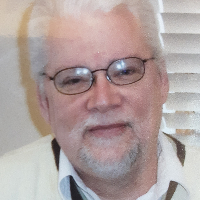
About Mark
Mark Anderson is a Licensed Professional Counselor (LPC) with decades of experience helping people face anxiety, stress, addiction, grief, and depression. He brings a steady, practical approach to conversations about fear, loss, and life transitions. His tone is calm and direct, aimed at people who need clear steps forward.
He uses approaches that focus on the person’s needs and strengths. Sessions often begin by identifying what feels most urgent, then building simple strategies that fit daily life.
Background and approach
Tools may include skills for managing panic, ways to reduce social anxiety, and steps to cope with grief or caregiving stress. Mark draws on 45 years in mental health and substance-abuse work across community and clinical settings. That background informs how he blends short-term problem solving with longer-term coping skills.
He is practiced at helping people regain routine and purpose after loss or major change. Conversations cover practical decisions as well as emotional reactions. Clients work on things like improving sleep, reducing avoidance, handling cravings, and repairing strained relationships.
Sessions are conversational and goal-focused, with homework that matters to daily life. He offers therapy in English and sees people across Michigan and beyond. Online formats include video calls, phone sessions, live chat, and text messaging to provide flexible ways to connect based on each person’s schedule and needs.
How therapeutic approaches fit into online care
Client-Centered Therapy focuses on the person in the room. The therapist listens closely, reflects what matters, and helps the person find their own solutions. This approach is useful for building trust and clarifying goals when anxiety or grief feels overwhelming.Cognitive Behavioral Therapy, or CBT, looks at the links between thoughts, feelings, and actions. It teaches concrete exercises to reduce panic attacks, challenge unhelpful thinking, and change routines that keep anxiety alive. CBT often includes brief between-session tasks to practice new skills.
Finding the right approach is part of the work together. The therapist will discuss options, try different tools, and adjust methods based on the client’s needs and goals. That collaborative process helps shape a plan that fits daily life and current challenges.
Online therapy offers flexibility so sessions can fit work, caregiving, or travel. Video calls allow face-to-face conversation and visual cues, phone sessions can be a quicker check-in or better when bandwidth is limited, and live chat or text messaging can support short updates, coping prompts, or ongoing skill practice. These formats make it easier to maintain continuity and keep progress moving forward.
Questions people ask
What concerns does Mark commonly address?
What is his general therapy style?
How long has he worked in this field?
Where is he licensed and based?
Which languages are supported for sessions?
Can people outside the United States work together with him?
What formats are available for sessions?
How are fees and billing handled?
What this therapist works with
Also listed
- Anger management
- Career difficulties
- Compassion fatigue
- Control issues
- Coping with life changes
- Depression
- Family conflicts
- Grief
- Guilt and shame
- Hospice and end-of-life counseling
- Intimacy-related issues
- LGBT
- Life purpose
- Panic disorder and panic attacks
- Relationship issues
- Self esteem
- Social anxiety and phobia
Therapeutic approaches
- Experience
- 45 years
- Licensed
- Michigan
- Languages
- English
We will earn a commission if you sign up through our link, at no cost to you.