
Anne Douglas, LMFT
North Carolina · 25 yrs exp
Works with Stress, Anxiety / Relationship / Family +16
Works by Attachment-Based Therapy / Client-Centered Therapy
View ProfileThis directory showcases therapists who work with body image concerns and related issues such as self-worth, eating patterns, and appearance-related anxiety. Browse the listings below to review approaches, credentials, languages, and areas of focus.
North Carolina · 25 yrs exp
Works with Stress, Anxiety / Relationship / Family +16
Works by Attachment-Based Therapy / Client-Centered Therapy
View Profile
Texas · 20 yrs exp
Works with Stress, Anxiety / LGBT / Relationship +17
Works by Acceptance and Commitment Therapy (ACT) / Cognitive Behavioral Therapy (CBT)
View Profile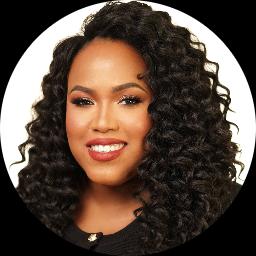
Florida · 16 yrs exp
Works with Stress, Anxiety / Relationship / Trauma and abuse +7
Works by Cognitive Behavioral Therapy (CBT) / Solution-Focused Therapy
View Profile
Michigan · 25 yrs exp
Works with Stress, Anxiety / LGBT / Relationship +11
Works by Attachment-Based Therapy / Cognitive Behavioral Therapy (CBT)
View Profile
Colorado · 19 yrs exp · 2 languages
Works with Stress, Anxiety / Relationship / Trauma and abuse +13
Works by Acceptance and Commitment Therapy (ACT) / Attachment-Based Therapy
View Profile
California · 14 yrs exp
Works with Stress, Anxiety / Relationship / Family +10
Works by Attachment-Based Therapy / Client-Centered Therapy
View Profile
Texas · 13 yrs exp
Works with Stress, Anxiety / Relationship / Trauma and abuse +12
Works by Attachment-Based Therapy / Client-Centered Therapy
View Profile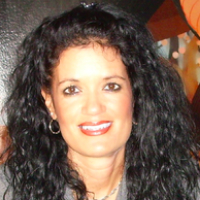
North Carolina · 21 yrs exp
Works with Stress, Anxiety / Grief / Eating +13
Works by Acceptance and Commitment Therapy (ACT) / Client-Centered Therapy
View Profile
Florida · 20 yrs exp · 2 languages
Works with Stress, Anxiety / Addictions / Relationship +17
Works by Acceptance and Commitment Therapy (ACT) / Attachment-Based Therapy
View Profile
Georgia · 10 yrs exp
Works with Stress, Anxiety / Grief / Self esteem +11
Works by Client-Centered Therapy / Cognitive Behavioral Therapy (CBT)
View Profile
Mississippi · 16 yrs exp
Works with Stress, Anxiety / Relationship / Family +7
Works by Cognitive Behavioral Therapy (CBT) / Gottman Method
View Profile
Oregon · 26 yrs exp
Works with Stress, Anxiety / Trauma and abuse / Grief +11
Works by Acceptance and Commitment Therapy (ACT) / Attachment-Based Therapy
View Profile
Kansas · 12 yrs exp
Works with Stress, Anxiety / Relationship / Intimacy-related issues +14
Works by Client-Centered Therapy / Cognitive Behavioral Therapy (CBT)
View Profile
Pennsylvania · 15 yrs exp
Works with Stress, Anxiety / Addictions / Trauma and abuse +14
Works by Cognitive Behavioral Therapy (CBT) / Dialectical Behavior Therapy (DBT)
View Profile
Kentucky · 18 yrs exp
Works with LGBT / Relationship / Family +15
Works by Attachment-Based Therapy / Client-Centered Therapy
View Profile
Louisiana · 7 yrs exp
Works with Stress, Anxiety / Family / Trauma and abuse +16
Works by Acceptance and Commitment Therapy (ACT) / Attachment-Based Therapy
View Profile
New York · 5 yrs exp · 2 languages
Works with Stress, Anxiety / LGBT / Trauma and abuse +13
Works by Acceptance and Commitment Therapy (ACT) / Attachment-Based Therapy
View Profile
Michigan · 5 yrs exp
Works with Stress, Anxiety / Relationship / Family +13
Works by Acceptance and Commitment Therapy (ACT) / Cognitive Behavioral Therapy (CBT)
View Profile
Missouri · 16 yrs exp
Works with Stress, Anxiety / Trauma and abuse / Self esteem +13
Works by Client-Centered Therapy / Cognitive Behavioral Therapy (CBT)
View Profile
North Carolina · 10 yrs exp
Works with Stress, Anxiety / Relationship / Family +17
Works by Acceptance and Commitment Therapy (ACT) / Client-Centered Therapy
View Profile
Louisiana · 10 yrs exp
Works with Stress, Anxiety / Relationship / Family +13
Works by Attachment-Based Therapy / Client-Centered Therapy
View Profile
Texas · 10 yrs exp
Works with Stress, Anxiety / Relationship / Family +15
Works by Acceptance and Commitment Therapy (ACT) / Attachment-Based Therapy
View Profile
Ohio · 18 yrs exp
Works with Stress, Anxiety / Trauma and abuse / Grief +12
Works by Acceptance and Commitment Therapy (ACT) / Client-Centered Therapy
View Profile
Ohio · 33 yrs exp
Works with Stress, Anxiety / Family / Trauma and abuse +13
Works by Client-Centered Therapy / Cognitive Behavioral Therapy (CBT)
View Profile
Illinois · 10 yrs exp
Works with Stress, Anxiety / LGBT / Relationship +11
Works by Client-Centered Therapy / Emotionally-Focused Therapy (EFT)
View Profile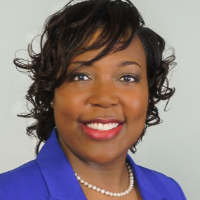
Florida · 10 yrs exp
Works with Relationship / Family / Self esteem +5
Works by Client-Centered Therapy / Cognitive Behavioral Therapy (CBT)
View Profile
Georgia · 14 yrs exp
Works with Stress, Anxiety / LGBT / Trauma and abuse +10
Works by Client-Centered Therapy / Cognitive Behavioral Therapy (CBT)
View Profile
Louisiana · 22 yrs exp
Works with Stress, Anxiety / Relationship / Family +12
Works by Client-Centered Therapy / Cognitive Behavioral Therapy (CBT)
View Profile
Colorado · 11 yrs exp
Works with Stress, Anxiety / LGBT / Trauma and abuse +16
Works by Acceptance and Commitment Therapy (ACT) / Client-Centered Therapy
View Profile
Florida · 18 yrs exp
Works with Stress, Anxiety / Relationship / Grief +13
Works by Client-Centered Therapy / Cognitive Behavioral Therapy (CBT)
View Profile
Florida · 30 yrs exp
Works with Stress, Anxiety / Relationship / Trauma and abuse +15
Works by Acceptance and Commitment Therapy (ACT) / Client-Centered Therapy
View Profile
Wisconsin · 26 yrs exp
Works with Stress, Anxiety / Self esteem / Career +12
Works by Acceptance and Commitment Therapy (ACT) / Attachment-Based Therapy
View Profile
California · 8 yrs exp
Works with Stress, Anxiety / Addictions / Relationship +16
Works by Attachment-Based Therapy / Client-Centered Therapy
View Profile
Texas · 22 yrs exp
Works with Stress, Anxiety / Relationship / Trauma and abuse +17
Works by Acceptance and Commitment Therapy (ACT) / Attachment-Based Therapy
View Profile
Delaware · 8 yrs exp
Works with Relationship / Family / Trauma and abuse +12
View Profile
Texas · 25 yrs exp
Works with Stress, Anxiety / Family / Intimacy-related issues +16
Works by Attachment-Based Therapy / Client-Centered Therapy
View Profile
Texas · 10 yrs exp · 2 languages
Works with Stress, Anxiety / Relationship / Anger +17
Works by Cognitive Behavioral Therapy (CBT) / Solution-Focused Therapy
View Profile
Louisiana · 14 yrs exp
Works with Stress, Anxiety / Anger / Self esteem +10
View Profile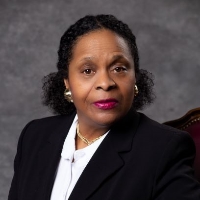
Missouri · 20 yrs exp
Works with Stress, Anxiety / Addictions / Trauma and abuse +15
Works by Client-Centered Therapy / Cognitive Behavioral Therapy (CBT)
View Profile
Indiana · 8 yrs exp
Works with Stress, Anxiety / Addictions / Family +16
Works by Acceptance and Commitment Therapy (ACT) / Attachment-Based Therapy
View Profile
Florida · 32 yrs exp
Works with Stress, Anxiety / Addictions / Relationship +14
Works by Attachment-Based Therapy / Client-Centered Therapy
View Profile
Florida · 20 yrs exp
Works with Addictions / Relationship / Trauma and abuse +15
Works by Acceptance and Commitment Therapy (ACT) / Attachment-Based Therapy
View Profile
Utah · 6 yrs exp
Works with Stress, Anxiety / Trauma and abuse / Self esteem +9
Works by Client-Centered Therapy / Dialectical Behavior Therapy (DBT)
View Profile
Florida · 17 yrs exp
Works with Stress, Anxiety / Trauma and abuse / Eating +15
Works by Acceptance and Commitment Therapy (ACT) / Client-Centered Therapy
View Profile
Mississippi · 25 yrs exp
Works with Stress, Anxiety / Relationship / Family +16
Works by Acceptance and Commitment Therapy (ACT) / Client-Centered Therapy
View Profile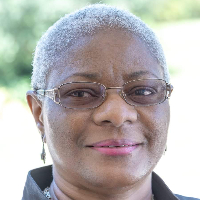
Florida · 19 yrs exp
Works with Stress, Anxiety / Family / Grief +13
Works by Acceptance and Commitment Therapy (ACT) / Client-Centered Therapy
View Profile
Texas · 20 yrs exp
Works with Stress, Anxiety / Addictions / Family +16
Works by Client-Centered Therapy / Cognitive Behavioral Therapy (CBT)
View Profile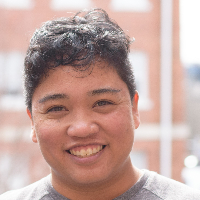
North Carolina · 10 yrs exp
Works with Stress, Anxiety / LGBT / Relationship +14
Works by Existential Therapy / Mindfulness Therapy
View ProfileBody image refers to the way you perceive and feel about your body - its size, shape, appearance, and movement. Those perceptions are influenced by many factors including family messages, cultural ideals, media exposure, life transitions, and past experiences. For some people body image shifts across the lifespan, intensifying during adolescence, pregnancy, recovery from illness, or major weight change. For others it remains a persistent source of distress. When negative body image becomes central to how you evaluate yourself, it can touch many parts of life, from social interactions to work performance and intimate relationships.
You may already notice how appearance-related thoughts occupy mental energy, or how you might change plans to avoid situations where your body will be noticed. Those patterns are common and do not reflect a moral failing. They are responses shaped by experience and environment. Therapy creates an opportunity to explore the origins of your body image, the beliefs that maintain it, and practical ways to shift habits that leave you feeling limited or depleted.
You might consider therapy when body image concerns start to interfere with daily life. This can look like persistent negative self-talk about your appearance, excessive time spent checking mirrors or comparing yourself to others, and avoidance of activities you once enjoyed because of worries about appearance. You might also notice changes in eating patterns, cycles of strict dieting followed by binging, or preoccupation with exercise that feels driven by anxiety rather than enjoyment.
Emotional signs that point toward seeking help include low self-esteem tied to body shape, intense shame, or episodes of panic and social withdrawal. Relationships may feel strained when conversations are dominated by appearance concerns, or when intimacy is avoided because of self-consciousness. If you find that these patterns repeat despite your efforts to change them on your own, therapy can offer structured support, fresh perspectives, and practical tools to build more balanced daily habits.
In early sessions you and your therapist will usually map out what matters most to you, identify current patterns, and set collaborative goals. Expect a conversational beginning that explores history - such as important messages you received about appearance, past experiences that shaped how you relate to your body, and the situations that trigger the most distress today. Sessions often blend reflection with skill-building so that you have tools to use between meetings.
Therapy tends to emphasize both thoughts and behaviors. You will likely work on noticing and reshaping unhelpful internal narratives, testing assumptions through gentle experiments, and practicing different ways of responding in real life. Some sessions may include body-focused exercises that help you reconnect with sensations rather than judgments, while others concentrate on emotion regulation and relational patterns. Homework is commonly offered as a bridge between sessions - small, manageable practices aimed at shifting automatic responses over time.
Multiple therapeutic approaches are used to address body image concerns, and the best fit depends on your preferences and history. Cognitive behavioral approaches focus on identifying and changing unhelpful thoughts and behaviors that maintain body dissatisfaction. Acceptance-based approaches encourage you to make space for difficult feelings while committing to values-guided action. Dialectical principles can help when intense emotions or impulsive behaviors are present, offering skills for distress tolerance and interpersonal effectiveness.
Other modalities address the role of past experiences and relational wounds in shaping how you relate to your body. Somatic-oriented work attends to the body as a source of information and regulation, helping you notice sensations and patterns of tension or avoidance. Some therapists list EMDR among their approaches to address distress linked to specific memories, while others list internal family systems, narrative therapy, or interpersonal therapy among their methods. When exploring listings, look for language that resonates with how you prefer to process material - whether through cognitive techniques, experiential exercises, or reflective conversation.
Online therapy offers practical flexibility that many people find helpful when working on body image. You can meet from a familiar environment, which may make it easier to practice new behaviors and to experiment with in-the-moment strategies between sessions. Sessions conducted by video or phone typically mirror in-person treatment in structure, combining conversation, skill practice, and homework. Some people appreciate being able to access clinicians who speak their language or who describe experience with particular approaches, even if those clinicians are located in a different region.
Because body image work can bring up strong emotions, you and your therapist will often plan for how to manage intense moments during a remote session. This might include agreed-upon grounding techniques, a brief pause to use calming practices, or follow-up between sessions to review progress. Online formats can also make it easier to involve partnered or family conversations when that is part of your goals, while maintaining a focus on the individual work you want to do.
Choosing a therapist is a personal decision. Look for descriptions that align with your concerns and preferred style of work. Pay attention to how a therapist describes their approach - whether they emphasize cognitive strategies, experiential practices, or relational exploration - and imagine how that would feel in a typical session. Notice mentions of populations or life stages they work with, such as adolescence, perinatal periods, sports, or chronic health transitions, and consider whether those align with your context.
Language and cultural sensitivity matter when body image is tied to identity, ethnicity, or gender. If cultural or identity factors are central for you, prioritize clinicians who explicitly refer to that experience in their listings. You may also find it useful to identify therapists who list a range of modalities you are curious about - for example, therapists who list CBT, ACT, or somatic approaches - and to ask about how they integrate those methods in practice during an initial conversation. Trust your instincts about fit; a strong working relationship is often as important as any particular method when it comes to making progress.
Lastly, think about practical considerations that affect how you engage, such as session length, your comfort with remote formats, and whether you want a more directive or exploratory style. Taking the time to read therapist descriptions and to reach out with a brief inquiry can help you find a match that supports the specific changes you hope to make in relation to your body image.
Alabama
356 therapists
Alaska
38 therapists
Arizona
324 therapists
Arkansas
179 therapists
Australia
619 therapists
California
2459 therapists
Colorado
531 therapists
Connecticut
217 therapists
Delaware
69 therapists
District of Columbia
65 therapists
Florida
2398 therapists
Georgia
872 therapists
Hawaii
90 therapists
Idaho
142 therapists
Illinois
794 therapists
Indiana
411 therapists
Iowa
112 therapists
Kansas
171 therapists
Kentucky
299 therapists
Louisiana
463 therapists
Maine
103 therapists
Maryland
421 therapists
Massachusetts
324 therapists
Michigan
792 therapists
Minnesota
304 therapists
Mississippi
240 therapists
Missouri
569 therapists
Montana
137 therapists
Nebraska
123 therapists
Nevada
134 therapists
New Hampshire
63 therapists
New Jersey
555 therapists
New Mexico
128 therapists
New York
1295 therapists
North Carolina
955 therapists
North Dakota
26 therapists
Ohio
576 therapists
Oklahoma
372 therapists
Oregon
177 therapists
Pennsylvania
807 therapists
Rhode Island
48 therapists
South Carolina
437 therapists
South Dakota
44 therapists
Tennessee
382 therapists
Texas
2519 therapists
United Kingdom
4241 therapists
Utah
224 therapists
Vermont
46 therapists
Virginia
516 therapists
Washington
326 therapists
West Virginia
75 therapists
Wisconsin
382 therapists
Wyoming
69 therapists