
Anne Douglas, LMFT
North Carolina · 25 yrs exp
Works with Stress, Anxiety / Relationship / Family +16
Works by Attachment-Based Therapy / Client-Centered Therapy
View ProfileThis page lists therapists who include gender dysphoria among their specialties. You will find clinicians with varied approaches, credentials, languages, and experience to support gender-related concerns. Browse the listings below to learn more about each clinician and their focus.
North Carolina · 25 yrs exp
Works with Stress, Anxiety / Relationship / Family +16
Works by Attachment-Based Therapy / Client-Centered Therapy
View Profile
Texas · 20 yrs exp
Works with Stress, Anxiety / LGBT / Relationship +17
Works by Acceptance and Commitment Therapy (ACT) / Cognitive Behavioral Therapy (CBT)
View Profile
Michigan · 25 yrs exp
Works with Stress, Anxiety / LGBT / Relationship +11
Works by Attachment-Based Therapy / Cognitive Behavioral Therapy (CBT)
View Profile
Colorado · 19 yrs exp · 2 languages
Works with Stress, Anxiety / Relationship / Trauma and abuse +13
Works by Acceptance and Commitment Therapy (ACT) / Attachment-Based Therapy
View Profile
Georgia · 10 yrs exp
Works with Stress, Anxiety / Grief / Self esteem +11
Works by Client-Centered Therapy / Cognitive Behavioral Therapy (CBT)
View Profile
Kentucky · 18 yrs exp
Works with LGBT / Relationship / Family +15
Works by Attachment-Based Therapy / Client-Centered Therapy
View Profile
Louisiana · 7 yrs exp
Works with Stress, Anxiety / Family / Trauma and abuse +16
Works by Acceptance and Commitment Therapy (ACT) / Attachment-Based Therapy
View Profile
North Carolina · 10 yrs exp
Works with Stress, Anxiety / Relationship / Family +17
Works by Acceptance and Commitment Therapy (ACT) / Client-Centered Therapy
View Profile
Illinois · 10 yrs exp
Works with Stress, Anxiety / LGBT / Relationship +11
Works by Client-Centered Therapy / Emotionally-Focused Therapy (EFT)
View Profile
Colorado · 11 yrs exp
Works with Stress, Anxiety / LGBT / Trauma and abuse +16
Works by Acceptance and Commitment Therapy (ACT) / Client-Centered Therapy
View Profile
Florida · 32 yrs exp
Works with Stress, Anxiety / Addictions / Relationship +14
Works by Attachment-Based Therapy / Client-Centered Therapy
View Profile
Florida · 20 yrs exp
Works with Addictions / Relationship / Trauma and abuse +15
Works by Acceptance and Commitment Therapy (ACT) / Attachment-Based Therapy
View Profile
Georgia · 25 yrs exp
Works with Stress, Anxiety / Parenting / Anger +16
Works by Attachment-Based Therapy / Client-Centered Therapy
View Profile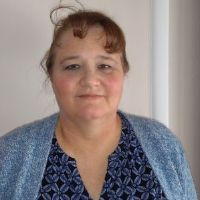
Nebraska · 25 yrs exp
Works with Stress, Anxiety / Family / Trauma and abuse +13
Works by Client-Centered Therapy / Cognitive Behavioral Therapy (CBT)
View Profile
North Carolina · 10 yrs exp
Works with Stress, Anxiety / LGBT / Relationship +14
Works by Existential Therapy / Mindfulness Therapy
View Profile
Florida · 10 yrs exp
Works with Stress, Anxiety / Trauma and abuse / Grief +13
Works by Client-Centered Therapy / Cognitive Behavioral Therapy (CBT)
View Profile
Illinois · 12 yrs exp
Works with Trauma and abuse / Self esteem / Coping with life changes +9
Works by Acceptance and Commitment Therapy (ACT) / Attachment-Based Therapy
View Profile
Florida · 13 yrs exp
Works with Stress, Anxiety / Self esteem / Depression +8
Works by Acceptance and Commitment Therapy (ACT) / Client-Centered Therapy
View Profile
Florida · 33 yrs exp
Works with Stress, Anxiety / LGBT / Relationship +9
Works by Client-Centered Therapy / Cognitive Behavioral Therapy (CBT)
View Profile
Florida · 26 yrs exp
Works with Stress, Anxiety / Addictions / LGBT +2
View Profile
Illinois · 25 yrs exp
Works with Stress, Anxiety / Grief / Parenting +2
Works by Client-Centered Therapy / Emotionally-Focused Therapy (EFT)
View Profile
California · 7 yrs exp
Works with Stress, Anxiety / LGBT / Trauma and abuse +2
View Profile
New York · 25 yrs exp · 2 languages
Works with Stress, Anxiety / Grief / Anger +7
Works by Client-Centered Therapy / Cognitive Behavioral Therapy (CBT)
View Profile
North Carolina · 13 yrs exp
Works with Stress, Anxiety / Addictions / Intimacy-related issues +11
Works by Acceptance and Commitment Therapy (ACT) / Client-Centered Therapy
View Profile
North Carolina · 30 yrs exp
Works with Stress, Anxiety / Addictions / LGBT +2
Works by Client-Centered Therapy / Cognitive Behavioral Therapy (CBT)
View Profile
Texas · 6 yrs exp
Works with Stress, Anxiety / Relationship / Trauma and abuse +2
View Profile
Colorado · 13 yrs exp
Works with Stress, Anxiety / LGBT / Relationship +11
Works by Attachment-Based Therapy / Client-Centered Therapy
View Profile
Texas · 14 yrs exp
Works with Stress, Anxiety / Anger / Depression +8
Works by Acceptance and Commitment Therapy (ACT) / Client-Centered Therapy
View Profile
North Carolina · 20 yrs exp
Works with Stress, Anxiety / Addictions / LGBT +2
Works by Acceptance and Commitment Therapy (ACT) / Client-Centered Therapy
View Profile
Texas · 18 yrs exp
Works with Stress, Anxiety / Addictions / LGBT +15
Works by Attachment-Based Therapy / Client-Centered Therapy
View Profile
Illinois · 5 yrs exp
Works with Stress, Anxiety / Addictions / Self esteem +2
View Profile
Montana · 23 yrs exp
Works with Stress, Anxiety / Family / Trauma and abuse +13
Works by Acceptance and Commitment Therapy (ACT) / Attachment-Based Therapy
View Profile
Nevada · 10 yrs exp
Works with Stress, Anxiety / Trauma and abuse / Parenting +16
Works by Attachment-Based Therapy / Client-Centered Therapy
View Profile
New Mexico · 19 yrs exp
Works with Stress, Anxiety / LGBT / Trauma and abuse +8
Works by Acceptance and Commitment Therapy (ACT) / Attachment-Based Therapy
View Profile
Florida · 32 yrs exp
Works with Stress, Anxiety / Trauma and abuse / Grief +15
Works by Acceptance and Commitment Therapy (ACT) / Client-Centered Therapy
View Profile
Michigan · 15 yrs exp
Works with Stress, Anxiety / LGBT / Relationship +17
Works by Acceptance and Commitment Therapy (ACT) / Attachment-Based Therapy
View Profile
North Dakota · 10 yrs exp
Works with Stress, Anxiety / Relationship / Family +11
Works by Acceptance and Commitment Therapy (ACT) / Attachment-Based Therapy
View Profile
Missouri · 20 yrs exp
Works with Stress, Anxiety / Relationship / Family +5
Works by Acceptance and Commitment Therapy (ACT) / Client-Centered Therapy
View Profile
Arkansas · 13 yrs exp
Works with Stress, Anxiety / Relationship / Trauma and abuse +14
Works by Acceptance and Commitment Therapy (ACT) / Attachment-Based Therapy
View Profile
New York · 25 yrs exp
Works with Stress, Anxiety / Relationship / Family +16
Works by Acceptance and Commitment Therapy (ACT) / Client-Centered Therapy
View Profile
Illinois · 3 yrs exp
Works with Stress, Anxiety / Addictions / LGBT +11
Works by Cognitive Behavioral Therapy (CBT) / Solution-Focused Therapy
View Profile
Kentucky · 15 yrs exp
Works with Stress, Anxiety / Relationship / Parenting +14
Works by Acceptance and Commitment Therapy (ACT) / Attachment-Based Therapy
View Profile
Florida · 23 yrs exp
Works with Stress, Anxiety / Addictions / LGBT +12
Works by Acceptance and Commitment Therapy (ACT) / Client-Centered Therapy
View Profile
Oklahoma · 9 yrs exp
Works with Stress, Anxiety / Anger / Self esteem +17
Works by Acceptance and Commitment Therapy (ACT) / Attachment-Based Therapy
View Profile
Connecticut · 16 yrs exp
Works with Stress, Anxiety / Addictions / Family +15
Works by Cognitive Behavioral Therapy (CBT) / Dialectical Behavior Therapy (DBT)
View Profile
Texas · 10 yrs exp
Works with Stress, Anxiety / LGBT / Relationship +15
Works by Client-Centered Therapy / Cognitive Behavioral Therapy (CBT)
View Profile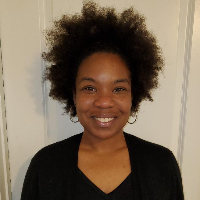
North Carolina · 15 yrs exp
Works with LGBT / Relationship / Family +8
Works by Attachment-Based Therapy / Client-Centered Therapy
View Profile
New Mexico · 4 yrs exp
Works with Stress, Anxiety / Relationship / Trauma and abuse +12
Works by Client-Centered Therapy / Cognitive Behavioral Therapy (CBT)
View ProfileGender dysphoria is a term used to describe the distress that may arise when a person's experienced gender does not align with the sex they were assigned at birth. People experience this mismatch in different ways. For some, it appears as strong discomfort with physical characteristics such as body features or voice. For others, the primary challenge is social - misalignment between how they are perceived and how they understand themselves. That distress often interacts with stigma, discrimination, family reactions, and internalized expectations, creating a complex emotional picture.
How gender dysphoria shows up in everyday life depends on your context. You might notice increasing anxiety about social situations, avoidance of gendered spaces, or persistent preoccupation with changes you would like to make to body or presentation. It can affect relationships, work or school performance, and your sense of safety. Young people may express dysphoria differently than adults, sometimes through behavior changes or intense frustration with gendered expectations. Regardless of age, the experience is often shaped by cultural norms, access to resources, and the responses of people close to you.
You might be considering therapy if the feelings and thoughts related to your gender cause persistent distress or interfere with your daily life. Therapy can be helpful if you find that gender-related concerns are contributing to anxiety, depression, trouble concentrating, social withdrawal, or relationship conflict. If you are exploring transition-related steps - social changes such as name or pronoun use, or medical considerations - many people seek support to navigate decisions and manage emotional ups and downs during that process.
Therapy can also be a place to process past experiences that affect your present, such as bullying, harassment, or rejection by family. If you feel overwhelmed by the number of decisions you may face, or if interactions with health systems and institutions feel confusing, a clinician can help you map options and build coping strategies. You might look for therapy if you want a space to explore identity without pressure to commit to any specific path. Many people also pursue therapy to improve communication with partners, family members, or employers as they navigate gender-related changes.
When you begin working with a therapist about gender dysphoria, the first few sessions often focus on building rapport and establishing goals. Your clinician will typically ask about your experience with gender, your personal history, current stressors, and what you hope to gain from therapy. You can expect conversations to cover emotional responses, practical concerns around social or medical transition if relevant, and strategies for coping with stigma or discrimination. Sessions should move at a pace you find comfortable, with goals set collaboratively.
In ongoing work you may explore identity, relationships, and body image. Some sessions concentrate on concrete skills - for example, managing anxiety in public situations, rehearsing conversations with family members, or developing a plan for workplace adjustments. Other sessions may be more reflective, helping you process grief over losses or changes that have accompanied your gender journey. Therapists sometimes assist with letters or paperwork related to medical care when clients request that support; if this is important to you, it is reasonable to discuss how the clinician approaches documentation and care coordination.
If your relationships are affected, therapists often include family members or partners in therapy when that will support your goals. That may involve joint sessions to improve communication, to educate family members about gender-related matters, or to build supportive routines. When adolescents are involved, clinicians frequently work with guardians to clarify expectations and to create a consistent environment for the young person. You should expect the therapist to discuss information-sharing boundaries boundaries and how information will be shared when others are involved in sessions.
Different clinicians emphasize different approaches, and you might encounter a mix of methods in practice. Some therapists describe their work as identity-affirming, which means they focus on validating your experience and supporting choices that align with your goals. You may also find therapists who list cognitive behavioral therapy among their approaches, using strategies to manage anxiety, depressive thoughts, or avoidance behaviors. Other clinicians who list psychodynamic or narrative approaches may help you explore how past experiences and social narratives have shaped your sense of self.
For trauma-related concerns, you might see therapists who list trauma-focused therapies or who include emotion-focused techniques when addressing painful memories or chronic stress. Family systems approaches are often used when the goal is to shift patterns of interaction in families or partnerships. Some clinicians list mindfulness-based practices to help you tolerate distressing feelings in the moment. When reading clinician profiles, keep in mind that a listing of an approach indicates that a therapist uses it in practice and does not substitute for information about their individual experience or the fit between their style and your needs.
Online therapy can expand your options by letting you work with clinicians who list gender dysphoria among their specialties regardless of geographic distance. Sessions typically occur via video or phone, and some clinicians offer text or messaging check-ins as part of ongoing care. Online work allows you to meet from a location of your choosing and can be particularly helpful if in-person options are limited in your area. When considering online care, think about your own comfort with technology, how personal your environment is during sessions, and whether you prefer visual cues that come with video.
There are practical matters to keep in mind. Licensing regulations vary by region, which affects the ability of some clinicians to provide ongoing care across state or national lines. If coordination with medical providers is important, ask potential therapists how they handle communication with physicians, prescribers, or clinics when that collaboration is part of your plan. Many people choose a hybrid path - meeting in person when helpful and connecting remotely at other times. Online therapy also creates opportunities to find clinicians who work with your language or cultural background, which can be an important part of feeling understood.
Selecting a therapist is a personal process that often involves evaluating several factors. You may prioritize clinicians who list gender dysphoria as a specialty because that signals a focus on gender-related concerns in their practice. Consider the clinician's professional credentials, the populations they describe working with, and whether they mention experience with adolescents, adults, families, or specific cultural communities. Language abilities and cultural competency can be important if you want support that reflects your background.
It is reasonable to review therapist profiles for their stated approaches and to ask questions about their experience during an initial conversation. You might inquire how they support clients exploring social or medical transition, how they approach work with families, and how they balance emotional processing with practical decision-making. Think about the therapist's style - whether they seem more skills-oriented or reflective - and whether that matches how you like to work. Trust your sense of comfort and the quality of the initial interaction; strong therapeutic work typically depends on a fit between your needs and the clinician's way of working.
Finally, remember that finding the right match can take time. You may try a few different clinicians before finding the person who helps you move toward your goals. Use the listings below to compare focus areas, approaches therapists list, credentials, languages, and the types of clients they describe working with. That information can help you narrow options and choose a clinician who aligns with the support you want as you navigate gender-related challenges and decisions.
Alabama
356 therapists
Alaska
38 therapists
Arizona
324 therapists
Arkansas
179 therapists
Australia
619 therapists
California
2459 therapists
Colorado
531 therapists
Connecticut
217 therapists
Delaware
69 therapists
District of Columbia
65 therapists
Florida
2398 therapists
Georgia
872 therapists
Hawaii
90 therapists
Idaho
142 therapists
Illinois
794 therapists
Indiana
411 therapists
Iowa
112 therapists
Kansas
171 therapists
Kentucky
299 therapists
Louisiana
463 therapists
Maine
103 therapists
Maryland
421 therapists
Massachusetts
324 therapists
Michigan
792 therapists
Minnesota
304 therapists
Mississippi
240 therapists
Missouri
569 therapists
Montana
137 therapists
Nebraska
123 therapists
Nevada
134 therapists
New Hampshire
63 therapists
New Jersey
555 therapists
New Mexico
128 therapists
New York
1295 therapists
North Carolina
955 therapists
North Dakota
26 therapists
Ohio
576 therapists
Oklahoma
372 therapists
Oregon
177 therapists
Pennsylvania
807 therapists
Rhode Island
48 therapists
South Carolina
437 therapists
South Dakota
44 therapists
Tennessee
382 therapists
Texas
2519 therapists
United Kingdom
4241 therapists
Utah
224 therapists
Vermont
46 therapists
Virginia
516 therapists
Washington
326 therapists
West Virginia
75 therapists
Wisconsin
382 therapists
Wyoming
69 therapists