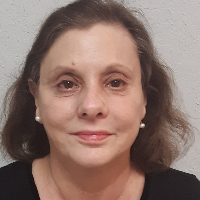
About Nancy
Nancy Arnovits is a licensed clinical social worker with more than three decades of practice. She helps people manage stress and anxiety and guides those facing grief, trauma, mood struggles, and relationship questions. Her tone is practical and direct, aimed at people who need clear steps and steady support.
She spent much of her career in a large public teaching hospital in Miami, Florida. That work brought experience with many kinds of health and mental health challenges, survivors of sexual assault, and counseling inside a correctional setting.
Background and approach
Those roles exposed her to a wide range of life situations and ways people cope. Nancy describes her approach as eclectic. She draws from client-centered methods, solution-focused techniques, and cognitive behavioral ideas depending on what a person needs that day.
In sessions she helps people learn new ways of thinking and build practical coping skills. She is also familiar with issues that affect the LGBT community and has focused attention on the extra stressors that have appeared recently. Other areas she supports include addictions, eating and sleeping problems, caregiver stress, chronic illness, and career or identity concerns.
Nancy values collaboration and learning alongside the people she sees. Her goal is to help each person find manageable strategies and clearer thinking so daily life feels easier to handle.
Therapeutic approaches for online work
Acceptance and Commitment Therapy helps people notice what matters to them and take small, guided actions toward those values while accepting hard feelings. Cognitive Behavioral Therapy focuses on identifying unhelpful thoughts and trying out different behaviors and coping skills to reduce anxiety and mood symptoms. Both approaches are commonly used to address stress, anxiety, grief, and problems with sleep and everyday routines.Nancy treats choosing an approach as a team effort. She will talk with each person about their goals, try methods that fit those goals, and adjust plans based on what feels most helpful. The collaboration makes it easier to tailor sessions to the problems and pace someone prefers.
Online sessions are offered as video calls, phone sessions, live chat, or text-based messaging to give flexibility. Video is useful for more in-depth work, phone can be simpler when bandwidth is limited, short check-ins work well over text, and live chat can help people who prefer typing. These options make it easier to fit therapy into a busy life and to use the method that best supports progress.
Questions people ask
What concerns does she address?
What is her therapeutic style like?
How much clinical experience does she have?
What credentials and location are on record?
Which languages are available for sessions?
What session formats does she offer online?
How does payment and cost work?
How do I begin working with her?
What this therapist works with
Most often
Also listed
- Addictions
- ADHD
- Aging and geriatric issues
- Anger management
- Antisocial personality
- Bipolar disorder
- Blended family issues
- Body image
- Career difficulties
- Caregiver issues and stress
- Chronic pain, illness, and disability
- Commitment issues
- Communication problems
- Compassion fatigue
- Control issues
- Coping with natural or human-caused disaster
- Depression
- Eating disorders
- Family conflicts
- First responder issues
- Gender dysphoria
- Guilt and shame
- Hospice and end-of-life counseling
- Infidelity
- Intellectual disability
- Intimacy-related issues
- Isolation / loneliness
- Jealousy
- LGBT
- Mood disorders
- Multicultural concerns
- Parenting issues
- Post-traumatic stress
- Prejudice and discrimination
- Relationship issues
- Self esteem
- Sexual assault and abuse
- Sleeping disorders
- Traumatic brain injury
Therapeutic approaches
- Experience
- 32 years
- Licensed
- Florida
- Languages
- English
We will earn a commission if you sign up through our link, at no cost to you.