
Velma Jones, LCSW
New York · 29 yrs exp
Works with Stress, Anxiety / Relationship / Trauma and abuse +11
Works by Attachment-Based Therapy / Client-Centered Therapy
View ProfileThis page lists therapists who include disaster relief therapy among their approaches. You will find profiles that describe focus areas, credentials, languages, and therapeutic methods. Browse the listings below to explore options and learn about practitioners who may match your needs.
New York · 29 yrs exp
Works with Stress, Anxiety / Relationship / Trauma and abuse +11
Works by Attachment-Based Therapy / Client-Centered Therapy
View Profile
North Carolina · 25 yrs exp
Works with Stress, Anxiety / Relationship / Family +16
Works by Attachment-Based Therapy / Client-Centered Therapy
View Profile
Texas · 30 yrs exp
Works with Stress, Anxiety / Addictions / Anger +14
Works by Cognitive Behavioral Therapy (CBT) / Mindfulness Therapy
View Profile
Louisiana · 15 yrs exp
Works with Stress, Anxiety / Relationship / Family +13
Works by Acceptance and Commitment Therapy (ACT) / Attachment-Based Therapy
View Profile
Michigan · 25 yrs exp
Works with Stress, Anxiety / LGBT / Relationship +11
Works by Attachment-Based Therapy / Cognitive Behavioral Therapy (CBT)
View Profile
Colorado · 19 yrs exp · 2 languages
Works with Stress, Anxiety / Relationship / Trauma and abuse +13
Works by Acceptance and Commitment Therapy (ACT) / Attachment-Based Therapy
View Profile
Texas · 13 yrs exp
Works with Stress, Anxiety / Relationship / Trauma and abuse +12
Works by Attachment-Based Therapy / Client-Centered Therapy
View Profile
Florida · 20 yrs exp · 2 languages
Works with Stress, Anxiety / Addictions / Relationship +17
Works by Acceptance and Commitment Therapy (ACT) / Attachment-Based Therapy
View Profile
New York · 13 yrs exp
Works with Relationship / Trauma and abuse / Grief +10
Works by Client-Centered Therapy / Cognitive Behavioral Therapy (CBT)
View Profile
Oregon · 26 yrs exp
Works with Stress, Anxiety / Trauma and abuse / Grief +11
Works by Acceptance and Commitment Therapy (ACT) / Attachment-Based Therapy
View Profile
Louisiana · 7 yrs exp
Works with Stress, Anxiety / Family / Trauma and abuse +16
Works by Acceptance and Commitment Therapy (ACT) / Attachment-Based Therapy
View Profile
Florida · 25 yrs exp · 2 languages
Works with Relationship / Trauma and abuse / Grief +13
Works by Client-Centered Therapy / Eye Movement Desensitization and Reprocessing (EMDR)
View Profile
Maryland · 6 yrs exp
Works with Stress, Anxiety / Trauma and abuse / Self esteem +11
Works by Attachment-Based Therapy / Client-Centered Therapy
View Profile
New York · 25 yrs exp · 2 languages
Works with Stress, Anxiety / Addictions / Trauma and abuse +12
Works by Client-Centered Therapy / Cognitive Behavioral Therapy (CBT)
View Profile
Arizona · 6 yrs exp
Works with Stress, Anxiety / Relationship / Family +12
Works by Client-Centered Therapy / Cognitive Behavioral Therapy (CBT)
View Profile
North Carolina · 10 yrs exp
Works with Stress, Anxiety / Relationship / Family +17
Works by Acceptance and Commitment Therapy (ACT) / Client-Centered Therapy
View Profile
Missouri · 7 yrs exp
Works with Stress, Anxiety / Addictions / Relationship +14
Works by Client-Centered Therapy / Cognitive Behavioral Therapy (CBT)
View Profile
Texas · 10 yrs exp
Works with Stress, Anxiety / Relationship / Family +15
Works by Acceptance and Commitment Therapy (ACT) / Attachment-Based Therapy
View Profile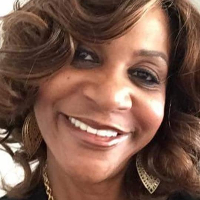
Ohio · 18 yrs exp
Works with Stress, Anxiety / Trauma and abuse / Grief +12
Works by Acceptance and Commitment Therapy (ACT) / Client-Centered Therapy
View Profile
Ohio · 33 yrs exp
Works with Stress, Anxiety / Family / Trauma and abuse +13
Works by Client-Centered Therapy / Cognitive Behavioral Therapy (CBT)
View Profile
Illinois · 10 yrs exp
Works with Stress, Anxiety / LGBT / Relationship +11
Works by Client-Centered Therapy / Emotionally-Focused Therapy (EFT)
View Profile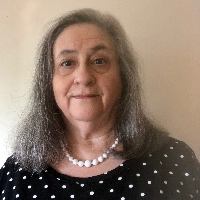
Mississippi · 23 yrs exp
Works with Stress, Anxiety / Grief / Anger +9
Works by Cognitive Behavioral Therapy (CBT) / Mindfulness Therapy
View Profile
Colorado · 11 yrs exp
Works with Stress, Anxiety / LGBT / Trauma and abuse +16
Works by Acceptance and Commitment Therapy (ACT) / Client-Centered Therapy
View Profile
Texas · 21 yrs exp
Works with Stress, Anxiety / Relationship / Trauma and abuse +16
Works by Acceptance and Commitment Therapy (ACT) / Client-Centered Therapy
View Profile
Texas · 8 yrs exp
Works with Stress, Anxiety / Grief / Self esteem +12
Works by Cognitive Behavioral Therapy (CBT) / Solution-Focused Therapy
View Profile
Louisiana · 10 yrs exp
Works with Stress, Anxiety / Grief / Anger +9
Works by Client-Centered Therapy / Cognitive Behavioral Therapy (CBT)
View Profile
Wisconsin · 26 yrs exp
Works with Stress, Anxiety / Self esteem / Career +12
Works by Acceptance and Commitment Therapy (ACT) / Attachment-Based Therapy
View Profile
Missouri · 14 yrs exp
Works with Stress, Anxiety / Self esteem / Career +14
Works by Acceptance and Commitment Therapy (ACT) / Attachment-Based Therapy
View Profile
Texas · 22 yrs exp
Works with Stress, Anxiety / Relationship / Trauma and abuse +17
Works by Acceptance and Commitment Therapy (ACT) / Attachment-Based Therapy
View Profile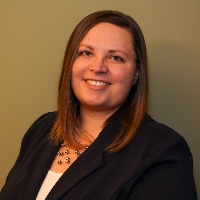
Illinois · 12 yrs exp
Works with Stress, Anxiety / Trauma and abuse / Parenting +13
Works by Client-Centered Therapy / Cognitive Behavioral Therapy (CBT)
View Profile
Arizona · 30 yrs exp
Works with Stress, Anxiety / Trauma and abuse / Self esteem +12
Works by Client-Centered Therapy / Cognitive Behavioral Therapy (CBT)
View Profile
Texas · 10 yrs exp · 2 languages
Works with Stress, Anxiety / Relationship / Anger +17
Works by Cognitive Behavioral Therapy (CBT) / Solution-Focused Therapy
View Profile
New Jersey · 8 yrs exp
Works with Stress, Anxiety / Relationship / Trauma and abuse +15
Works by Acceptance and Commitment Therapy (ACT) / Attachment-Based Therapy
View Profile
Nebraska · 14 yrs exp
Works with Stress, Anxiety / Grief / Bipolar +14
Works by Client-Centered Therapy / Cognitive Behavioral Therapy (CBT)
View Profile
Louisiana · 14 yrs exp
Works with Stress, Anxiety / Anger / Self esteem +10
View Profile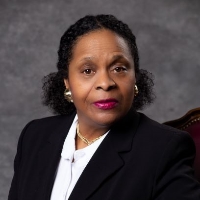
Missouri · 20 yrs exp
Works with Stress, Anxiety / Addictions / Trauma and abuse +15
Works by Client-Centered Therapy / Cognitive Behavioral Therapy (CBT)
View Profile
Mississippi · 12 yrs exp
Works with Stress, Anxiety / Addictions / Anger +13
Works by Client-Centered Therapy / Cognitive Behavioral Therapy (CBT)
View Profile
Indiana · 8 yrs exp
Works with Stress, Anxiety / Addictions / Family +16
Works by Acceptance and Commitment Therapy (ACT) / Attachment-Based Therapy
View Profile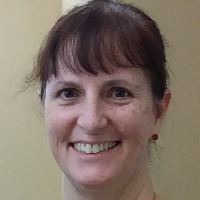
Florida · 32 yrs exp
Works with Stress, Anxiety / Addictions / Relationship +14
Works by Attachment-Based Therapy / Client-Centered Therapy
View Profile
Florida · 20 yrs exp
Works with Addictions / Relationship / Trauma and abuse +15
Works by Acceptance and Commitment Therapy (ACT) / Attachment-Based Therapy
View Profile
Utah · 6 yrs exp
Works with Stress, Anxiety / Trauma and abuse / Self esteem +9
Works by Client-Centered Therapy / Dialectical Behavior Therapy (DBT)
View Profile
Virginia · 31 yrs exp
Works with Stress, Anxiety / Relationship / Family +13
Works by Attachment-Based Therapy / Client-Centered Therapy
View Profile
North Carolina · 30 yrs exp
Works with LGBT / Relationship / Family +14
Works by Acceptance and Commitment Therapy (ACT) / Attachment-Based Therapy
View Profile
Florida · 17 yrs exp
Works with Stress, Anxiety / Trauma and abuse / Eating +15
Works by Acceptance and Commitment Therapy (ACT) / Client-Centered Therapy
View Profile
Mississippi · 25 yrs exp
Works with Stress, Anxiety / Relationship / Family +16
Works by Acceptance and Commitment Therapy (ACT) / Client-Centered Therapy
View Profile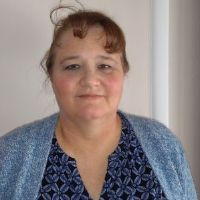
Nebraska · 25 yrs exp
Works with Stress, Anxiety / Family / Trauma and abuse +13
Works by Client-Centered Therapy / Cognitive Behavioral Therapy (CBT)
View Profile
Ohio · 20 yrs exp · 2 languages
Works with Stress, Anxiety / Addictions / Relationship +16
Works by Acceptance and Commitment Therapy (ACT) / Client-Centered Therapy
View Profile
Florida · 20 yrs exp
Works with Stress, Anxiety / Grief / Self esteem +10
Works by Client-Centered Therapy / Cognitive Behavioral Therapy (CBT)
View ProfileDisaster relief therapy focuses on helping people recover from the psychological and emotional effects of events such as hurricanes, wildfires, floods, industrial accidents, mass violence, and other large-scale emergencies. In the aftermath of a disaster, the impact goes beyond immediate physical danger - it can interrupt routines, remove supports, and create ongoing uncertainty about safety, housing, work, and financial stability. You may find that emotions fluctuate in intensity for weeks, months, or longer. Grief for losses you experienced may be mixed with anger, guilt, numbness, or a persistent sense of being overwhelmed. Community-level disasters often bring shared trauma, where multiple people in your social network are affected at once, making recovery both a personal and communal process.
Individual responses vary. Some people return to baseline functioning with help from family and everyday coping strategies. Others experience prolonged stress reactions that interfere with work, relationships, and sleep. Disaster relief therapy aims to address the immediate distress and to build practical coping skills, while also attending to longer-term adjustments. Therapists who list disaster-focused approaches often work with survivors, first responders, relief workers, and families, balancing symptom relief with problem-solving for the concrete challenges that follow a disaster.
You might consider seeking disaster relief therapy if you notice changes in your behavior, mood, or thinking that persist after the acute phase of an emergency. Common indicators include difficulty sleeping, intrusive memories or images, avoidance of places or discussions that remind you of the event, heightened startle responses, or intense, persistent anxiety about safety. You may also notice shifts in your relationships - withdrawing from friends and family, feeling emotionally numb, or having frequent conflicts. Physical symptoms like headaches, digestive trouble, or chronic fatigue can accompany emotional distress.
If you find it hard to return to daily responsibilities, to concentrate at work or school, or to manage the demands of caregiving, therapy can provide structured support. Additionally, if you are a first responder or relief worker, you may experience moral distress or burnout from repeated exposure to trauma. Children and adolescents may show different signs - renewed bedwetting, clinginess, irritability, or regression in behavior. Seeking help does not mean you are weak; it means you are taking practical steps to manage a difficult experience and to protect your well-being.
When you begin disaster relief therapy, the initial conversations typically focus on creating immediate safety and identifying your most pressing concerns. You and your therapist will talk about recent events, the ways those events continue to affect you, and any practical needs such as housing, employment, or legal matters that intersect with emotional recovery. Sessions aim to be responsive and person-centered - meaning the therapist will prioritize your goals, cultural background, and personal coping style.
Therapy often involves a combination of skill-building, narrative processing, and problem-solving. Early work may emphasize stabilization techniques - grounding exercises to manage panic, breathing tools for acute stress, and sleep hygiene strategies. As you feel more steady, sessions may shift toward making sense of the experience, processing memories that feel stuck, and rebuilding routines that support daily functioning. You can expect periodic reviews of progress and adjustments to the pace and focus of therapy. If family members or community supports are part of your recovery, sessions may include ways to strengthen those networks.
Typical sessions last about 45 to 60 minutes, but the pacing will reflect your current capacity and the complexity of your situation. You might move quickly through practical problem-solving early on, then spend more time on emotional processing as immediate crises stabilize. Some people prefer shorter, more frequent check-ins during acute periods, while others work at a steadier, weekly rhythm. Your therapist should explain the expected course of care and invite your input about timing and goals.
Clinicians who work in disaster relief often draw from a range of approaches to meet diverse needs. You may come across therapists who list cognitive behavioral therapy among their approaches, which focuses on identifying patterns of thought and behavior that maintain distress and teaching practical strategies to change them. Others list narrative approaches that help you create a coherent account of what happened and how it fits into your life story. Some therapists include somatic or body-focused methods that attend to physical sensations and help release tension stored in the body following trauma.
You may also notice therapists who list EMDR among their approaches; this method is used by some practitioners to address distressing memories, and therapists who include it often combine it with stabilization work and skills training. Acceptance-based approaches, such as acceptance and commitment therapy, can help you clarify values and take meaningful action even in the presence of difficult emotions. Group-based interventions and community-focused models are frequently used in disaster contexts to rebuild social connection and collective coping. When reviewing profiles, look for descriptions of how approaches are integrated and how therapists adapt methods for survivors, first responders, children, or families.
Online therapy expands options for people affected by disasters, especially when local services are overwhelmed or physical travel is difficult. Through supported video or messaging platforms, you can connect with clinicians who list disaster relief among their approaches from different regions. Online sessions can be useful for practical counseling, skills training, and ongoing support, and they make it easier to involve family members who live in other locations. Technology also allows for flexible scheduling and continuity of care when displacement or community disruptions occur.
When using online therapy, it is important to consider your immediate environment. Find a quiet, comfortable environment where you can speak openly and minimize interruptions. Discuss with your therapist how to handle crisis situations remotely - for example, establishing emergency contacts and local resources in your area. Keep in mind that some interventions that involve intensive trauma processing may be offered in different formats by different clinicians, and your therapist should explain how they tailor online work to ensure your safety and readiness.
Choosing a therapist is a personal process. Start by identifying what matters most to you - whether it is experience with disaster contexts, familiarity with specific populations such as children or first responders, cultural competence, language, or a particular therapeutic approach. Read profiles to learn how a therapist describes their focus and methods. Look for clear information about the types of disaster-related issues they address and whether they mention working with grief, loss, or community recovery.
Pay attention to practical considerations too, such as session format, languages offered, and how the therapist explains goals and expected course of care. Because certification and training vary, avoid assuming specific credentials from a single label; instead, notice how a therapist frames their experience and the populations they have worked with. Trust your intuition about whether a clinician’s approach and communication style feel like a fit. It is reasonable to reach out with a brief message to learn more about how they work with disaster-related concerns and whether their stated focus aligns with what you need. Finding the right match can make a meaningful difference as you navigate recovery and rebuild a sense of stability.
Alabama
356 therapists
Alaska
38 therapists
Arizona
324 therapists
Arkansas
179 therapists
Australia
619 therapists
California
2459 therapists
Colorado
531 therapists
Connecticut
217 therapists
Delaware
69 therapists
District of Columbia
65 therapists
Florida
2398 therapists
Georgia
872 therapists
Hawaii
90 therapists
Idaho
142 therapists
Illinois
794 therapists
Indiana
411 therapists
Iowa
112 therapists
Kansas
171 therapists
Kentucky
299 therapists
Louisiana
463 therapists
Maine
103 therapists
Maryland
421 therapists
Massachusetts
324 therapists
Michigan
792 therapists
Minnesota
304 therapists
Mississippi
240 therapists
Missouri
569 therapists
Montana
137 therapists
Nebraska
123 therapists
Nevada
134 therapists
New Hampshire
63 therapists
New Jersey
555 therapists
New Mexico
128 therapists
New York
1295 therapists
North Carolina
955 therapists
North Dakota
26 therapists
Ohio
576 therapists
Oklahoma
372 therapists
Oregon
177 therapists
Pennsylvania
807 therapists
Rhode Island
48 therapists
South Carolina
437 therapists
South Dakota
44 therapists
Tennessee
382 therapists
Texas
2519 therapists
United Kingdom
4241 therapists
Utah
224 therapists
Vermont
46 therapists
Virginia
516 therapists
Washington
326 therapists
West Virginia
75 therapists
Wisconsin
382 therapists
Wyoming
69 therapists