
Velma Jones, LCSW
New York · 29 yrs exp
Works with Stress, Anxiety / Relationship / Trauma and abuse +11
Works by Attachment-Based Therapy / Client-Centered Therapy
View ProfileThis directory lists therapists who identify women's issues as a focus, including reproductive health, perinatal concerns, menopause, and relationship or identity matters. Browse the therapist listings below to review profiles, approaches, credentials, languages and areas of focus.
New York · 29 yrs exp
Works with Stress, Anxiety / Relationship / Trauma and abuse +11
Works by Attachment-Based Therapy / Client-Centered Therapy
View Profile
North Carolina · 25 yrs exp
Works with Stress, Anxiety / Relationship / Family +16
Works by Attachment-Based Therapy / Client-Centered Therapy
View Profile
Michigan · 25 yrs exp
Works with Stress, Anxiety / LGBT / Relationship +11
Works by Attachment-Based Therapy / Cognitive Behavioral Therapy (CBT)
View Profile
Colorado · 19 yrs exp · 2 languages
Works with Stress, Anxiety / Relationship / Trauma and abuse +13
Works by Acceptance and Commitment Therapy (ACT) / Attachment-Based Therapy
View Profile
California · 14 yrs exp
Works with Stress, Anxiety / Relationship / Family +10
Works by Attachment-Based Therapy / Client-Centered Therapy
View Profile
Texas · 13 yrs exp
Works with Stress, Anxiety / Relationship / Trauma and abuse +12
Works by Attachment-Based Therapy / Client-Centered Therapy
View Profile
North Carolina · 21 yrs exp
Works with Stress, Anxiety / Grief / Eating +13
Works by Acceptance and Commitment Therapy (ACT) / Client-Centered Therapy
View Profile
Florida · 20 yrs exp · 2 languages
Works with Stress, Anxiety / Addictions / Relationship +17
Works by Acceptance and Commitment Therapy (ACT) / Attachment-Based Therapy
View Profile
New York · 24 yrs exp
Works with Stress, Anxiety / Relationship / Anger +13
Works by Client-Centered Therapy / Cognitive Behavioral Therapy (CBT)
View Profile
Mississippi · 16 yrs exp
Works with Stress, Anxiety / Relationship / Family +7
Works by Cognitive Behavioral Therapy (CBT) / Gottman Method
View Profile
Oregon · 26 yrs exp
Works with Stress, Anxiety / Trauma and abuse / Grief +11
Works by Acceptance and Commitment Therapy (ACT) / Attachment-Based Therapy
View Profile
Kansas · 12 yrs exp
Works with Stress, Anxiety / Relationship / Intimacy-related issues +14
Works by Client-Centered Therapy / Cognitive Behavioral Therapy (CBT)
View Profile
Kentucky · 18 yrs exp
Works with LGBT / Relationship / Family +15
Works by Attachment-Based Therapy / Client-Centered Therapy
View Profile
Colorado · 15 yrs exp
Works with Stress, Anxiety / Relationship / Intimacy-related issues +11
Works by Acceptance and Commitment Therapy (ACT) / Attachment-Based Therapy
View Profile
Louisiana · 7 yrs exp
Works with Stress, Anxiety / Family / Trauma and abuse +16
Works by Acceptance and Commitment Therapy (ACT) / Attachment-Based Therapy
View Profile
North Carolina · 28 yrs exp
Works with Stress, Anxiety / Addictions / LGBT +13
Works by Client-Centered Therapy / Mindfulness Therapy
View Profile
Florida · 25 yrs exp · 2 languages
Works with Relationship / Trauma and abuse / Grief +13
Works by Client-Centered Therapy / Eye Movement Desensitization and Reprocessing (EMDR)
View Profile
Oklahoma · 7 yrs exp
Works with Stress, Anxiety / Relationship / Grief +9
Works by Client-Centered Therapy / Cognitive Behavioral Therapy (CBT)
View Profile
Maryland · 6 yrs exp
Works with Stress, Anxiety / Trauma and abuse / Self esteem +11
Works by Attachment-Based Therapy / Client-Centered Therapy
View Profile
Maryland · 10 yrs exp
Works with Stress, Anxiety / Relationship / Family +13
Works by Client-Centered Therapy / Cognitive Behavioral Therapy (CBT)
View Profile
Michigan · 5 yrs exp
Works with Stress, Anxiety / Relationship / Family +13
Works by Acceptance and Commitment Therapy (ACT) / Cognitive Behavioral Therapy (CBT)
View Profile
Pennsylvania · 12 yrs exp
Works with Stress, Anxiety / Relationship / Self esteem +12
Works by Client-Centered Therapy / Cognitive Behavioral Therapy (CBT)
View Profile
Arizona · 6 yrs exp
Works with Stress, Anxiety / Relationship / Family +12
Works by Client-Centered Therapy / Cognitive Behavioral Therapy (CBT)
View Profile
Texas · 22 yrs exp
Works with Stress, Anxiety / Grief / Career +10
Works by Client-Centered Therapy / Cognitive Behavioral Therapy (CBT)
View Profile
Missouri · 16 yrs exp
Works with Stress, Anxiety / Trauma and abuse / Self esteem +13
Works by Client-Centered Therapy / Cognitive Behavioral Therapy (CBT)
View Profile
New York · 35 yrs exp
Works with Stress, Anxiety / Self esteem / Career +11
Works by Client-Centered Therapy / Mindfulness Therapy
View Profile
Louisiana · 10 yrs exp
Works with Stress, Anxiety / Relationship / Family +13
Works by Attachment-Based Therapy / Client-Centered Therapy
View Profile
Oregon · 32 yrs exp
Works with Stress, Anxiety / Relationship / Trauma and abuse +10
View Profile
Texas · 10 yrs exp
Works with Stress, Anxiety / Relationship / Family +15
Works by Acceptance and Commitment Therapy (ACT) / Attachment-Based Therapy
View Profile
Ohio · 18 yrs exp
Works with Stress, Anxiety / Trauma and abuse / Grief +12
Works by Acceptance and Commitment Therapy (ACT) / Client-Centered Therapy
View Profile
Ohio · 33 yrs exp
Works with Stress, Anxiety / Family / Trauma and abuse +13
Works by Client-Centered Therapy / Cognitive Behavioral Therapy (CBT)
View Profile
Illinois · 10 yrs exp
Works with Stress, Anxiety / LGBT / Relationship +11
Works by Client-Centered Therapy / Emotionally-Focused Therapy (EFT)
View Profile
Texas · 10 yrs exp
Works with Relationship / Family / Anger +13
Works by Client-Centered Therapy / Cognitive Behavioral Therapy (CBT)
View Profile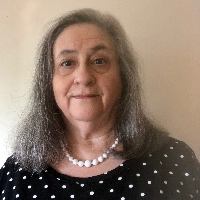
Mississippi · 23 yrs exp
Works with Stress, Anxiety / Grief / Anger +9
Works by Cognitive Behavioral Therapy (CBT) / Mindfulness Therapy
View Profile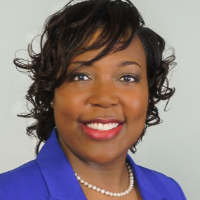
Florida · 10 yrs exp
Works with Relationship / Family / Self esteem +5
Works by Client-Centered Therapy / Cognitive Behavioral Therapy (CBT)
View Profile
Washington · 12 yrs exp
Works with Stress, Anxiety / Family / Anger +7
View Profile
Minnesota · 23 yrs exp
Works with Stress, Anxiety / Relationship / Trauma and abuse +14
Works by Attachment-Based Therapy / Client-Centered Therapy
View Profile
Georgia · 14 yrs exp
Works with Stress, Anxiety / LGBT / Trauma and abuse +10
Works by Client-Centered Therapy / Cognitive Behavioral Therapy (CBT)
View Profile
New Jersey · 22 yrs exp
Works with Stress, Anxiety / LGBT / Relationship +11
Works by Acceptance and Commitment Therapy (ACT) / Attachment-Based Therapy
View Profile
Florida · 10 yrs exp
Works with Stress, Anxiety / Addictions / Family +9
Works by Client-Centered Therapy / Cognitive Behavioral Therapy (CBT)
View Profile
South Carolina · 36 yrs exp
Works with Stress, Anxiety / Addictions / Family +4
Works by Client-Centered Therapy / Cognitive Behavioral Therapy (CBT)
View Profile
Colorado · 11 yrs exp
Works with Stress, Anxiety / LGBT / Trauma and abuse +16
Works by Acceptance and Commitment Therapy (ACT) / Client-Centered Therapy
View Profile
Michigan · 15 yrs exp
Works with Stress, Anxiety / Anger / Self esteem +11
Works by Client-Centered Therapy / Cognitive Behavioral Therapy (CBT)
View Profile
Florida · 18 yrs exp
Works with Stress, Anxiety / Relationship / Grief +13
Works by Client-Centered Therapy / Cognitive Behavioral Therapy (CBT)
View Profile
Florida · 15 yrs exp
Works with Stress, Anxiety / Addictions / Trauma and abuse +15
Works by Acceptance and Commitment Therapy (ACT) / Client-Centered Therapy
View Profile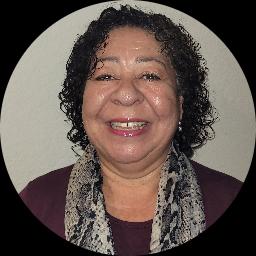
Texas · 21 yrs exp
Works with Stress, Anxiety / Relationship / Trauma and abuse +16
Works by Acceptance and Commitment Therapy (ACT) / Client-Centered Therapy
View Profile
Louisiana · 10 yrs exp
Works with Stress, Anxiety / Grief / Anger +9
Works by Client-Centered Therapy / Cognitive Behavioral Therapy (CBT)
View Profile
Wisconsin · 26 yrs exp
Works with Stress, Anxiety / Self esteem / Career +12
Works by Acceptance and Commitment Therapy (ACT) / Attachment-Based Therapy
View ProfileWhen people talk about women's issues in a therapeutic context they often mean a wide range of concerns that relate to physiology, life stage, gender roles, cultural expectations and interpersonal relationships. These matters can include fertility struggles, pregnancy and postpartum challenges, menstrual-related mood shifts, menopause, caregiving stress, and experiences of gender-based trauma. You may find that any one of these topics interacts with anxiety, mood changes, relationship strain, work-life balance, body image or sexual health in ways that feel overwhelming or confusing.
Women and people assigned female at birth may experience social pressures and systemic factors that shape how they feel about themselves and their relationships. You might encounter expectations around caretaking, professional achievement or appearance that create internal conflict. For many, life transitions such as becoming a parent, ending a relationship, or moving through menopause bring grief, identity shifts and practical adjustments. Therapy that focuses on women's issues aims to provide a space where those intersections are taken into account so you can address emotional, relational and practical concerns together.
You may be wondering whether therapy could help. Common indicators include persistent mood changes or anxiety that seem tied to reproductive events or hormonal shifts, difficulty coping with pregnancy loss or infertility, relationship tensions related to gender roles, or distress during menopause. If you feel that your self-image, daily functioning or relationships are affected by body-related concerns, pain, sexual dissatisfaction or medical decisions, a therapist who lists women's issues as a focus can help you explore these topics without assuming a one-size-fits-all solution.
People often seek help when cyclical mood changes interfere with work or relationships, when reproductive decisions feel isolating, or when trauma related to gender-based violence continues to affect daily life. You might also consider therapy if you want support making medical decisions, preparing for a major life stage change, or learning ways to communicate needs with partners, families or healthcare providers. Therapy can be a place to develop coping strategies, clarify values and build skills for navigating interpersonal and systemic challenges.
If you choose to work with a therapist who focuses on women's issues, initial sessions will often include time to get a broad picture of your history, current stressors, relationships and goals. You can expect the therapist to ask about reproductive history, medical background and life transitions if those areas are relevant to your concerns. Sessions are typically collaborative - you and the therapist identify priorities and experiment with strategies that fit your life and needs. Therapy may mix emotional processing, problem-solving and skill-building tailored to your circumstances.
Expect an emphasis on context. For example, rather than focusing only on symptoms, therapy for women's issues tends to consider the interaction between biology, social expectations and personal history. You might work on stress reduction, communication skills, pain management strategies, or coping with grief and loss. If trauma is part of your story, therapists who list trauma-informed approaches among their methods can offer ways to address painful memories while helping you stay grounded in the present. The pace and techniques used will reflect your preferences, cultural background and goals for therapy.
Therapists who work with women's issues use a range of approaches, and many will combine methods based on what you need. Cognitive-behavioral approaches are commonly listed and focus on identifying patterns of thinking and behavior that contribute to distress, helping you develop alternative responses. Somatic and body-centered approaches are sometimes noted for work with trauma, body image or chronic pain because they attend to bodily experience as part of healing. Mindfulness-based approaches are often used to reduce stress and increase present-moment coping.
You will also see therapists who list emotion-focused methods, interpersonal approaches that examine relationship patterns, or narrative-oriented work that explores how cultural stories about gender shape identity. If trauma plays a role, some therapists list trauma-focused modalities among their approaches; when reading profiles, note phrasing like therapists who list EMDR among their approaches rather than assuming any particular credential. Many clinicians integrate psychoeducation about reproductive health, parenting, or menopause so you can make informed choices alongside emotional work. It is common for therapists to adapt methods rather than adhere strictly to a single model.
Online therapy can be an effective option for addressing women's issues because it increases access to clinicians who specialize in particular concerns and languages. Sessions are conducted through video, phone or messaging, and you can often choose the format that best fits your comfort and schedule. Remote work can be especially helpful if you are balancing caregiving, medical appointments or work demands, because it removes travel time and allows you to meet from familiar surroundings. Therapists who list telehealth or online work among their methods can describe their typical session length and communication style on their profile.
When engaging in online therapy, it helps to consider where you will meet. Choose a quiet spot where you feel at ease and will not be disturbed. Some people prefer a setup with a laptop for clearer video, while others opt for phone sessions for simplicity. You may also discuss with a therapist how to handle technology interruptions, boundaries around messaging between sessions, and how to coordinate care with medical providers if needed. Online formats do not change the nature of the therapeutic work - they change the context, and many therapists adapt their techniques to fit virtual settings.
Start by identifying what matters most to you. You might prioritize lived experience, cultural or linguistic match, a therapist's stated areas of focus, or approaches they list that align with your preferences. Read therapist profiles to see whether they mention work with reproductive health, perinatal issues, menopause, trauma related to gender-based violence, or identity-related concerns. Pay attention to languages offered and the way clinicians describe their approach to collaboration and goal-setting.
Consider the practical fit. Look for profiles that give a sense of communication style and session format - whether they outline how they structure sessions or describe the kinds of goals they help people pursue. If working online, find someone who lists experience with teletherapy and who explains how they manage remote sessions. It can be useful to prioritize therapists who explicitly mention working with the particular intersection of issues you face, such as managing chronic pain with mood challenges or navigating fertility decisions alongside relationships. Trust your sense of whether a clinician's description resonates with your needs, and remember that effective therapy often arises from a clear working relationship rather than any single approach.
Whether you are exploring therapy for the first time or returning for additional support, choosing a therapist is about finding someone who helps you feel understood, respected and able to work toward meaningful change. Use profiles to learn about focus areas, approaches and communication style, and let that information guide your next step in finding support for women's issues.
Alabama
356 therapists
Alaska
38 therapists
Arizona
324 therapists
Arkansas
179 therapists
Australia
619 therapists
California
2459 therapists
Colorado
531 therapists
Connecticut
217 therapists
Delaware
69 therapists
District of Columbia
65 therapists
Florida
2398 therapists
Georgia
872 therapists
Hawaii
90 therapists
Idaho
142 therapists
Illinois
794 therapists
Indiana
411 therapists
Iowa
112 therapists
Kansas
171 therapists
Kentucky
299 therapists
Louisiana
463 therapists
Maine
103 therapists
Maryland
421 therapists
Massachusetts
324 therapists
Michigan
792 therapists
Minnesota
304 therapists
Mississippi
240 therapists
Missouri
569 therapists
Montana
137 therapists
Nebraska
123 therapists
Nevada
134 therapists
New Hampshire
63 therapists
New Jersey
555 therapists
New Mexico
128 therapists
New York
1295 therapists
North Carolina
955 therapists
North Dakota
26 therapists
Ohio
576 therapists
Oklahoma
372 therapists
Oregon
177 therapists
Pennsylvania
807 therapists
Rhode Island
48 therapists
South Carolina
437 therapists
South Dakota
44 therapists
Tennessee
382 therapists
Texas
2519 therapists
United Kingdom
4241 therapists
Utah
224 therapists
Vermont
46 therapists
Virginia
516 therapists
Washington
326 therapists
West Virginia
75 therapists
Wisconsin
382 therapists
Wyoming
69 therapists