
Velma Jones, LCSW
New York · 29 yrs exp
Works with Stress, Anxiety / Relationship / Trauma and abuse +11
Works by Attachment-Based Therapy / Client-Centered Therapy
View ProfileThis page lists therapists who include domestic violence among their specialty areas. Browse the profiles below to review approaches, languages, credentials, and areas of clinical focus.
Use the listings to learn how different clinicians describe their work and to identify professionals whose approaches and experience align with what you need.
New York · 29 yrs exp
Works with Stress, Anxiety / Relationship / Trauma and abuse +11
Works by Attachment-Based Therapy / Client-Centered Therapy
View Profile
North Carolina · 25 yrs exp
Works with Stress, Anxiety / Relationship / Family +16
Works by Attachment-Based Therapy / Client-Centered Therapy
View Profile
Colorado · 19 yrs exp · 2 languages
Works with Stress, Anxiety / Relationship / Trauma and abuse +13
Works by Acceptance and Commitment Therapy (ACT) / Attachment-Based Therapy
View Profile
Florida · 20 yrs exp · 2 languages
Works with Stress, Anxiety / Addictions / Relationship +17
Works by Acceptance and Commitment Therapy (ACT) / Attachment-Based Therapy
View Profile
New York · 24 yrs exp
Works with Stress, Anxiety / Relationship / Anger +13
Works by Client-Centered Therapy / Cognitive Behavioral Therapy (CBT)
View Profile
Kentucky · 18 yrs exp
Works with LGBT / Relationship / Family +15
Works by Attachment-Based Therapy / Client-Centered Therapy
View Profile
Louisiana · 7 yrs exp
Works with Stress, Anxiety / Family / Trauma and abuse +16
Works by Acceptance and Commitment Therapy (ACT) / Attachment-Based Therapy
View Profile
Florida · 25 yrs exp · 2 languages
Works with Relationship / Trauma and abuse / Grief +13
Works by Client-Centered Therapy / Eye Movement Desensitization and Reprocessing (EMDR)
View Profile
Maryland · 6 yrs exp
Works with Stress, Anxiety / Trauma and abuse / Self esteem +11
Works by Attachment-Based Therapy / Client-Centered Therapy
View Profile
Pennsylvania · 12 yrs exp
Works with Stress, Anxiety / Relationship / Self esteem +12
Works by Client-Centered Therapy / Cognitive Behavioral Therapy (CBT)
View Profile
North Carolina · 10 yrs exp
Works with Stress, Anxiety / Relationship / Family +17
Works by Acceptance and Commitment Therapy (ACT) / Client-Centered Therapy
View Profile
New York · 11 yrs exp
Works with Stress, Anxiety / Grief / Self esteem +9
Works by Acceptance and Commitment Therapy (ACT) / Attachment-Based Therapy
View Profile
Missouri · 7 yrs exp
Works with Stress, Anxiety / Addictions / Relationship +14
Works by Client-Centered Therapy / Cognitive Behavioral Therapy (CBT)
View Profile
Ohio · 33 yrs exp
Works with Stress, Anxiety / Family / Trauma and abuse +13
Works by Client-Centered Therapy / Cognitive Behavioral Therapy (CBT)
View Profile
Minnesota · 23 yrs exp
Works with Stress, Anxiety / Relationship / Trauma and abuse +14
Works by Attachment-Based Therapy / Client-Centered Therapy
View Profile
Florida · 15 yrs exp
Works with Stress, Anxiety / Addictions / Trauma and abuse +15
Works by Acceptance and Commitment Therapy (ACT) / Client-Centered Therapy
View Profile
Texas · 22 yrs exp
Works with Stress, Anxiety / Relationship / Trauma and abuse +17
Works by Acceptance and Commitment Therapy (ACT) / Attachment-Based Therapy
View Profile
Alabama · 8 yrs exp
Works with Stress, Anxiety / Trauma and abuse / Anger +6
Works by Client-Centered Therapy / Cognitive Behavioral Therapy (CBT)
View Profile
Arizona · 30 yrs exp
Works with Stress, Anxiety / Trauma and abuse / Self esteem +12
Works by Client-Centered Therapy / Cognitive Behavioral Therapy (CBT)
View Profile
Texas · 10 yrs exp · 2 languages
Works with Stress, Anxiety / Relationship / Anger +17
Works by Cognitive Behavioral Therapy (CBT) / Solution-Focused Therapy
View Profile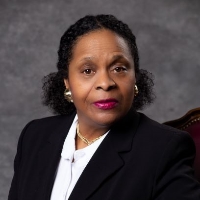
Missouri · 20 yrs exp
Works with Stress, Anxiety / Addictions / Trauma and abuse +15
Works by Client-Centered Therapy / Cognitive Behavioral Therapy (CBT)
View Profile
Mississippi · 12 yrs exp
Works with Stress, Anxiety / Addictions / Anger +13
Works by Client-Centered Therapy / Cognitive Behavioral Therapy (CBT)
View Profile
Indiana · 8 yrs exp
Works with Stress, Anxiety / Addictions / Family +16
Works by Acceptance and Commitment Therapy (ACT) / Attachment-Based Therapy
View Profile
Florida · 32 yrs exp
Works with Stress, Anxiety / Addictions / Relationship +14
Works by Attachment-Based Therapy / Client-Centered Therapy
View Profile
Florida · 20 yrs exp
Works with Addictions / Relationship / Trauma and abuse +15
Works by Acceptance and Commitment Therapy (ACT) / Attachment-Based Therapy
View Profile
Texas · 23 yrs exp
Works with Stress, Anxiety / Relationship / Self esteem +12
Works by Client-Centered Therapy / Cognitive Behavioral Therapy (CBT)
View Profile
North Carolina · 30 yrs exp
Works with LGBT / Relationship / Family +14
Works by Acceptance and Commitment Therapy (ACT) / Attachment-Based Therapy
View Profile
Florida · 17 yrs exp
Works with Stress, Anxiety / Trauma and abuse / Eating +15
Works by Acceptance and Commitment Therapy (ACT) / Client-Centered Therapy
View Profile
Florida · 19 yrs exp
Works with Stress, Anxiety / Family / Grief +13
Works by Acceptance and Commitment Therapy (ACT) / Client-Centered Therapy
View Profile
Florida · 14 yrs exp
Works with Stress, Anxiety / Trauma and abuse / Grief +14
Works by Cognitive Behavioral Therapy (CBT) / Dialectical Behavior Therapy (DBT)
View Profile
Georgia · 17 yrs exp
Works with Relationship / Family / Trauma and abuse +14
Works by Acceptance and Commitment Therapy (ACT) / Attachment-Based Therapy
View Profile
Texas · 20 yrs exp
Works with Stress, Anxiety / Addictions / Family +16
Works by Client-Centered Therapy / Cognitive Behavioral Therapy (CBT)
View Profile
Florida · 24 yrs exp
Works with Stress, Anxiety / Addictions / Grief +15
Works by Acceptance and Commitment Therapy (ACT) / Client-Centered Therapy
View Profile
Florida · 10 yrs exp
Works with Stress, Anxiety / Trauma and abuse / Grief +13
Works by Client-Centered Therapy / Cognitive Behavioral Therapy (CBT)
View Profile
Louisiana · 16 yrs exp
Works with Stress, Anxiety / Relationship / Career +15
Works by Client-Centered Therapy / Cognitive Behavioral Therapy (CBT)
View Profile
Pennsylvania · 25 yrs exp
Works with Stress, Anxiety / Family / Grief +2
Works by Client-Centered Therapy / Cognitive Behavioral Therapy (CBT)
View Profile
New York · 36 yrs exp
Works with Stress, Anxiety / Family / Parenting +8
Works by Client-Centered Therapy / Cognitive Behavioral Therapy (CBT)
View Profile
Hawaii · 3 yrs exp
Works with Stress, Anxiety / Addictions / Relationship +2
Works by Client-Centered Therapy / Cognitive Behavioral Therapy (CBT)
View Profile
Illinois · 12 yrs exp
Works with Trauma and abuse / Self esteem / Coping with life changes +9
Works by Acceptance and Commitment Therapy (ACT) / Attachment-Based Therapy
View Profile
Oklahoma · 13 yrs exp
Works with Stress, Anxiety / Relationship / Grief +8
Works by Client-Centered Therapy / Cognitive Behavioral Therapy (CBT)
View Profile
Texas · 4 yrs exp
Works with Stress, Anxiety / Trauma and abuse / Parenting +14
Works by Client-Centered Therapy / Cognitive Behavioral Therapy (CBT)
View Profile
Ohio · 17 yrs exp
Works with Stress, Anxiety / Family / Parenting +13
Works by Attachment-Based Therapy / Client-Centered Therapy
View Profile
California · 38 yrs exp
Works with Stress, Anxiety / Addictions / Relationship +2
View Profile
Louisiana · 25 yrs exp
Works with Addictions / Relationship / Family +12
Works by Client-Centered Therapy / Cognitive Behavioral Therapy (CBT)
View Profile
Arkansas · 44 yrs exp
Works with Stress, Anxiety / Trauma and abuse / Grief +17
Works by Acceptance and Commitment Therapy (ACT) / Client-Centered Therapy
View Profile
Illinois · 38 yrs exp
Works with Stress, Anxiety / Self esteem / Depression +10
Works by Client-Centered Therapy / Cognitive Behavioral Therapy (CBT)
View Profile
South Carolina · 5 yrs exp
Works with Relationship / Family / Trauma and abuse +16
Works by Cognitive Behavioral Therapy (CBT) / Motivational Interviewing
View Profile
Michigan · 31 yrs exp
Works with Stress, Anxiety / Family / Trauma and abuse +17
Works by Attachment-Based Therapy / Client-Centered Therapy
View ProfileDomestic violence refers to a pattern of behaviors used by one person to gain or maintain power over another in an intimate or family relationship. These behaviors can include physical harm, threats, emotional or psychological abuse, financial control, sexual coercion, stalking, and isolation from friends and family. The dynamics are complex - someone may experience some of these behaviors at different times, and the severity can vary. Domestic violence affects adults, young people, and older adults across all backgrounds and identities.
If you are experiencing or have experienced domestic violence, you may notice effects that reach into many parts of life. Emotional responses commonly include anxiety, low mood, hypervigilance, shame, and difficulty trusting others. Relationships with family, friends, and coworkers can be strained, and you may face economic consequences related to controlled finances or employment disruptions. Physical injuries can occur, and the ongoing stress of living with abuse can influence sleep, concentration, and overall wellbeing. Therapy can help you make sense of these impacts and find paths toward safety, recovery, and greater personal agency.
You might consider therapy if you are being harmed or threatened, if you feel overwhelmed by fear or helplessness, or if the situation is interfering with daily functioning. Therapy can be helpful whether you are currently in an abusive relationship, navigating separation, rebuilding after leaving, or supporting a loved one. You may seek help for specific symptoms - such as panic attacks, intrusive memories, or persistent sadness - or for practical decisions about safety planning, legal options, or co-parenting after abuse. Therapy can also be a space to process complex feelings like guilt, anger, or grief without judgment.
If you are in immediate danger, contacting local emergency services or crisis lines is important. Therapy is not a substitute for emergency intervention, but once immediate safety needs are addressed, therapeutic work can support long-term recovery. You may also want guidance on how to connect with community resources, advocacy programs, or legal aid that serve people affected by domestic violence. A therapist can help you weigh options and plan next steps while respecting your goals and timeline.
Early sessions typically focus on understanding your history and current concerns so the therapist can collaborate with you to set priorities. You will likely be asked about the nature and timeline of the abusive behaviors, your current living situation, relationships, and any immediate safety risks. Many people use the first few sessions to clarify what they want from therapy - such as emotional relief, practical problem solving, trauma processing, or building coping skills. You should expect the therapist to listen, validate your experience, and offer options for next steps rather than prescribing a single path.
As therapy progresses, you may work on building skills for emotion regulation, managing anxiety or panic, improving sleep, and restoring routines that support wellbeing. If trauma-related symptoms are present, the pace of trauma-focused work will often be tailored to your readiness. Therapy may also include exploration of relationship patterns, setting boundaries, and rebuilding social supports. Practical elements like safety planning, navigating documentation, and preparing for legal or housing steps can be addressed alongside emotional healing. The combination of support you receive will depend on your goals and the approaches the clinician uses.
Therapists who list trauma-focused cognitive behavioral approaches among their methods often emphasize skills to change distressing thoughts and behaviors and to reduce symptoms over time. Some clinicians describe using approaches that focus on regulating intense emotions, improving interpersonal effectiveness, or developing coping strategies to manage triggers. You may also find therapists who list narrative, psychodynamic, or strengths-based approaches that explore personal meaning and identity after abuse. When trauma symptoms are prominent, some therapists mention approaches intended to address traumatic memories; in such cases, they typically tailor the work to your pace and sense of safety.
Couples or family therapy is sometimes considered when there is a history of conflict rather than coercive control, and when safety can be reasonably ensured. Many clinicians who work with domestic violence indicate that they evaluate risk carefully before engaging in joint sessions. If you are considering couples or family work, expect a thorough assessment of patterns of power and control and discussion about whether joint work is appropriate for your situation.
Online therapy lets you meet with a clinician via video, phone, or messaging, which can increase access when in-person options are limited. You can expect an initial assessment that looks much like an in-person intake - the clinician will ask about your experiences, current concerns, and goals for therapy. In online work, practical considerations become important - such as finding a quiet time and place where you can speak freely and arranging for alternatives if technology fails. Therapists who list remote work among their approaches often discuss boundaries around emergency contact and will clarify how to reach support if urgent needs arise in your area.
When looking through profiles, pay attention to the language clinicians use about domestic violence, what populations they mention working with, and which approaches they list. Think about practical preferences such as session format - video, phone, or text-based options - and whether you want someone who lists experience with related issues like trauma, parenting after abuse, or legal advocacy. Consider the clinician's stated languages and cultural background if those factors matter to you. It can help to prepare a few questions in advance - for example, how they approach safety planning, how they pace trauma work, and what kinds of goals they commonly help clients pursue. Trust your instincts about whether a clinician's communication style feels respectful and attuned to your story.
Finding the right therapeutic fit can take time. You are within your rights to change clinicians if a particular approach or relationship does not feel right. Therapy can be a resource for rebuilding confidence, developing coping strategies, and making decisions that align with your values and needs. Whether you choose in-person or online work, a therapist who lists domestic violence among their areas of focus can offer support, tools, and perspective as you navigate next steps. Use the listings below to explore clinician profiles, and reach out to those whose descriptions resonate with what you are seeking.
Alabama
356 therapists
Alaska
38 therapists
Arizona
324 therapists
Arkansas
179 therapists
Australia
619 therapists
California
2459 therapists
Colorado
531 therapists
Connecticut
217 therapists
Delaware
69 therapists
District of Columbia
65 therapists
Florida
2398 therapists
Georgia
872 therapists
Hawaii
90 therapists
Idaho
142 therapists
Illinois
794 therapists
Indiana
411 therapists
Iowa
112 therapists
Kansas
171 therapists
Kentucky
299 therapists
Louisiana
463 therapists
Maine
103 therapists
Maryland
421 therapists
Massachusetts
324 therapists
Michigan
792 therapists
Minnesota
304 therapists
Mississippi
240 therapists
Missouri
569 therapists
Montana
137 therapists
Nebraska
123 therapists
Nevada
134 therapists
New Hampshire
63 therapists
New Jersey
555 therapists
New Mexico
128 therapists
New York
1295 therapists
North Carolina
955 therapists
North Dakota
26 therapists
Ohio
576 therapists
Oklahoma
372 therapists
Oregon
177 therapists
Pennsylvania
807 therapists
Rhode Island
48 therapists
South Carolina
437 therapists
South Dakota
44 therapists
Tennessee
382 therapists
Texas
2519 therapists
United Kingdom
4241 therapists
Utah
224 therapists
Vermont
46 therapists
Virginia
516 therapists
Washington
326 therapists
West Virginia
75 therapists
Wisconsin
382 therapists
Wyoming
69 therapists