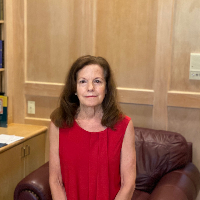
About Ilene
Ilene Liner is a licensed mental health counselor (LMHC) with 25 years of experience. She draws on practical therapies to help people manage stress and anxiety and to build clearer thinking and steadier emotions. She emphasizes the relationship between therapist and client.
Sessions are meant to be interactive. Clients are invited to speak, be heard, and try skills that fit their lives. Ilene encourages mindfulness and movement as complements to talk work.
Background and approach
Ilene has worked in outpatient clinics, home-based therapy, day treatment hospitals, and school settings across Massachusetts. That variety shaped a flexible approach to common problems like depression, trauma, grief, and addiction. She also supports people facing career strain, parenting stress, sleeping problems, and life transitions.
Her practice mixes cognitive behavioral ideas with attachment and emotionally focused approaches. That combination helps people notice unhelpful thoughts, understand relationship patterns, and name strong feelings. She adapts methods to each person rather than sticking to a single technique.
In sessions she focuses on helping people make concrete changes. Clients learn to recognize patterns, try new behaviors, and strengthen self-esteem over time. The goal is greater emotional balance and a sense of being more comfortable in everyday life.
How therapeutic approaches are used online
Ilene often uses cognitive behavioral techniques to help people notice and change unhelpful thinking and behavior patterns. CBT work online can include tracking thoughts, practicing new responses between sessions, and step-by-step behavior experiments to reduce anxiety and improve sleep.She also draws from attachment-based and emotionally focused ideas to look at how relationships shape feelings. That work helps people identify recurring patterns in how they relate to others and to themselves, and then try different ways of connecting or setting boundaries.
Choosing the right approach is part of the work together. The therapist will talk with each person about goals, preferences, and what feels useful. Then methods are adapted over time so sessions stay relevant and practical.
Online formats include video calls, phone sessions, live chat, and text-based messaging. Video is useful for more in-depth conversations and skill demonstrations. Phone sessions can fit into a short break or when bandwidth is limited. Live chat and text are helpful for brief check-ins, coaching-style support, or when someone prefers writing to speaking. These options make it easier to schedule consistent therapy and practice skills between sessions.
Questions people ask
What kinds of problems does she help with?
What is her therapeutic style like?
How much experience does she have?
What are her credentials and where is she based?
Which languages are supported for sessions?
What session formats are available?
How does cost and billing work?
How do I begin working with her?
What this therapist works with
Most often
- Stress, Anxiety
- Relationship issues
- Family conflicts
Also listed
- Addictions
- ADHD
- Aging and geriatric issues
- Anger management
- Autism and Asperger Syndrome
- Bipolar disorder
- Career difficulties
- Coaching
- Compassion fatigue
- Coping with life changes
- Depression
- Grief
- Hoarding
- Infidelity
- Intellectual disability
- Intimacy-related issues
- Jealousy
- Multicultural concerns
- Obsessions, compulsions, and OCD
- Parenting issues
- Personality disorders
- Phobias
- Polyamory / non-monogamous relationships
- Postpartum depression
- Prejudice and discrimination
- Process addiction (porn, exercise, gambling)
- Seasonal Affective Disorder (SAD)
- Self esteem
- Sex addiction
- Sleeping disorders
- Trauma and abuse
- Young adult issues
Therapeutic approaches
- Experience
- 25 years
- Licensed
- Massachusetts
- Languages
- English
We will earn a commission if you sign up through our link, at no cost to you.