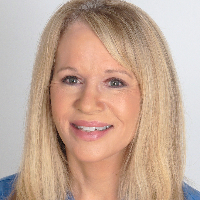
About Dianne
Dr. Dianne Doyle Pita uses practical, evidence-based approaches to help people manage anxiety and related concerns. She combines motivational work with cognitive tools to set clear goals and change unhelpful thinking.
Her style is warm, direct, and focused on small steps people can use every day. She has 25 years of experience in clinical settings across Massachusetts, including hospitals and rehabilitation programs. That experience includes work with addictions, trauma, depression, and relationship difficulties.
Background and approach
She has also taught counseling courses and provided clinical supervision at the college level. Her sessions often begin by clarifying what matters most to the person seeking help. Motivational interviewing is used to identify values and build commitment to change.
Cognitive-behavioral techniques then target the thoughts and behaviors that keep problems going. Practical tools and short exercises are common in her work. Clients may receive worksheets, behavioral experiments, and focused skill practice.
The goal is to make small, measurable changes that add up over time. She also draws on solution-focused and mindfulness strategies to help people handle stress, improve relationships, and rebuild after losses. Whether someone is coping with addictive behaviors, low self-esteem, parenting strain, or career stress, she aims to create a clear, individualized plan.
Dr. Pita holds the MA Psychologist 4465 credential and practices in Massachusetts. Sessions are offered in English and delivered through video calls, phone, live chat, or text messaging.
Practical approaches for online anxiety care
Dr. Pita commonly uses motivational interviewing and cognitive-behavioral therapy in online work. Motivational interviewing helps people clarify what they value and then builds their motivation to make changes. It is useful when someone feels stuck or unsure about taking the next step. Cognitive-behavioral therapy focuses on the link between thoughts, feelings, and actions and offers concrete steps to reduce anxiety and change unhelpful patterns.Finding the right approach is part of the process. She will work collaboratively to match methods to a person's goals, needs, and preferences. That means adjusting techniques and pacing so the plan fits the person rather than forcing a single method.
Online sessions use video calls, phone sessions, live chat, or text-based messaging to make therapy more flexible. Video allows face-to-face conversation and visual cues. Phone sessions can be easier when bandwidth is low or for shorter check-ins. Live chat and text messaging work well for brief coaching, between-session check-ins, or when writing out thoughts helps. These options let people fit therapy around work, parenting, and other demands while still using structured tools and homework when useful.
Questions people ask
What concerns does she help with?
What is her therapeutic style like?
How much clinical experience does she have?
What credentials and location are listed?
Which languages are supported for sessions?
Are international clients served?
What session formats are available?
How are costs and scheduling handled?
What this therapist works with
Most often
- Stress, Anxiety
- Addictions
- Relationship issues
Also listed
- Abandonment
- Anger management
- Career difficulties
- Coaching
- Codependency
- Control issues
- Dependent personality
- Depression
- Family conflicts
- Grief
- Intimacy-related issues
- Parenting issues
- Self esteem
- Trauma and abuse
Therapeutic approaches
- Experience
- 25 years
- Licensed
- Massachusetts
- Languages
- English
We will earn a commission if you sign up through our link, at no cost to you.