
Velma Jones, LCSW
New York · 29 yrs exp
Works with Stress, Anxiety / Relationship / Trauma and abuse +11
Works by Attachment-Based Therapy / Client-Centered Therapy
View ProfileFind therapists who list compulsion as a specialty and review profiles that describe their focus, approaches, credentials and languages. Browse the listings below to explore clinicians who work with repetitive urges and behaviors.
New York · 29 yrs exp
Works with Stress, Anxiety / Relationship / Trauma and abuse +11
Works by Attachment-Based Therapy / Client-Centered Therapy
View Profile
North Carolina · 25 yrs exp
Works with Stress, Anxiety / Relationship / Family +16
Works by Attachment-Based Therapy / Client-Centered Therapy
View Profile
Texas · 30 yrs exp
Works with Stress, Anxiety / Addictions / Anger +14
Works by Cognitive Behavioral Therapy (CBT) / Mindfulness Therapy
View Profile
Texas · 20 yrs exp
Works with Stress, Anxiety / LGBT / Relationship +17
Works by Acceptance and Commitment Therapy (ACT) / Cognitive Behavioral Therapy (CBT)
View Profile
Louisiana · 15 yrs exp
Works with Stress, Anxiety / Relationship / Family +13
Works by Acceptance and Commitment Therapy (ACT) / Attachment-Based Therapy
View Profile
Colorado · 19 yrs exp · 2 languages
Works with Stress, Anxiety / Relationship / Trauma and abuse +13
Works by Acceptance and Commitment Therapy (ACT) / Attachment-Based Therapy
View Profile
Texas · 13 yrs exp
Works with Stress, Anxiety / Relationship / Trauma and abuse +12
Works by Attachment-Based Therapy / Client-Centered Therapy
View Profile
Florida · 20 yrs exp · 2 languages
Works with Stress, Anxiety / Addictions / Relationship +17
Works by Acceptance and Commitment Therapy (ACT) / Attachment-Based Therapy
View Profile
Oregon · 26 yrs exp
Works with Stress, Anxiety / Trauma and abuse / Grief +11
Works by Acceptance and Commitment Therapy (ACT) / Attachment-Based Therapy
View Profile
Pennsylvania · 15 yrs exp
Works with Stress, Anxiety / Addictions / Trauma and abuse +14
Works by Cognitive Behavioral Therapy (CBT) / Dialectical Behavior Therapy (DBT)
View Profile
Georgia · 8 yrs exp
Works with Stress, Anxiety / Relationship / Family +12
Works by Client-Centered Therapy / Cognitive Behavioral Therapy (CBT)
View Profile
Kentucky · 18 yrs exp
Works with LGBT / Relationship / Family +15
Works by Attachment-Based Therapy / Client-Centered Therapy
View Profile
Colorado · 15 yrs exp
Works with Stress, Anxiety / Relationship / Intimacy-related issues +11
Works by Acceptance and Commitment Therapy (ACT) / Attachment-Based Therapy
View Profile
Oklahoma · 7 yrs exp
Works with Stress, Anxiety / Relationship / Grief +9
Works by Client-Centered Therapy / Cognitive Behavioral Therapy (CBT)
View Profile
Maryland · 6 yrs exp
Works with Stress, Anxiety / Trauma and abuse / Self esteem +11
Works by Attachment-Based Therapy / Client-Centered Therapy
View Profile
Michigan · 5 yrs exp
Works with Stress, Anxiety / Relationship / Family +13
Works by Acceptance and Commitment Therapy (ACT) / Cognitive Behavioral Therapy (CBT)
View Profile
Pennsylvania · 12 yrs exp
Works with Stress, Anxiety / Relationship / Self esteem +12
Works by Client-Centered Therapy / Cognitive Behavioral Therapy (CBT)
View Profile
North Carolina · 10 yrs exp
Works with Stress, Anxiety / Relationship / Family +17
Works by Acceptance and Commitment Therapy (ACT) / Client-Centered Therapy
View Profile
Missouri · 7 yrs exp
Works with Stress, Anxiety / Addictions / Relationship +14
Works by Client-Centered Therapy / Cognitive Behavioral Therapy (CBT)
View Profile
Louisiana · 10 yrs exp
Works with Stress, Anxiety / Relationship / Family +13
Works by Attachment-Based Therapy / Client-Centered Therapy
View Profile
Texas · 10 yrs exp
Works with Stress, Anxiety / Relationship / Family +15
Works by Acceptance and Commitment Therapy (ACT) / Attachment-Based Therapy
View Profile
Illinois · 10 yrs exp
Works with Stress, Anxiety / LGBT / Relationship +11
Works by Client-Centered Therapy / Emotionally-Focused Therapy (EFT)
View Profile
Minnesota · 23 yrs exp
Works with Stress, Anxiety / Relationship / Trauma and abuse +14
Works by Attachment-Based Therapy / Client-Centered Therapy
View Profile
Louisiana · 22 yrs exp
Works with Stress, Anxiety / Relationship / Family +12
Works by Client-Centered Therapy / Cognitive Behavioral Therapy (CBT)
View Profile
Florida · 10 yrs exp
Works with Stress, Anxiety / Addictions / Family +9
Works by Client-Centered Therapy / Cognitive Behavioral Therapy (CBT)
View Profile
Colorado · 11 yrs exp
Works with Stress, Anxiety / LGBT / Trauma and abuse +16
Works by Acceptance and Commitment Therapy (ACT) / Client-Centered Therapy
View Profile
Florida · 18 yrs exp
Works with Stress, Anxiety / Relationship / Grief +13
Works by Client-Centered Therapy / Cognitive Behavioral Therapy (CBT)
View Profile
Florida · 30 yrs exp
Works with Stress, Anxiety / Relationship / Trauma and abuse +15
Works by Acceptance and Commitment Therapy (ACT) / Client-Centered Therapy
View Profile
Florida · 15 yrs exp
Works with Stress, Anxiety / Addictions / Trauma and abuse +15
Works by Acceptance and Commitment Therapy (ACT) / Client-Centered Therapy
View Profile
Michigan · 21 yrs exp
Works with Stress, Anxiety / Relationship / Family +15
Works by Acceptance and Commitment Therapy (ACT) / Attachment-Based Therapy
View Profile
Texas · 22 yrs exp
Works with Stress, Anxiety / Relationship / Trauma and abuse +17
Works by Acceptance and Commitment Therapy (ACT) / Attachment-Based Therapy
View Profile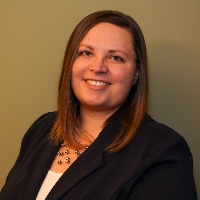
Illinois · 12 yrs exp
Works with Stress, Anxiety / Trauma and abuse / Parenting +13
Works by Client-Centered Therapy / Cognitive Behavioral Therapy (CBT)
View Profile
Massachusetts · 25 yrs exp
Works with Stress, Anxiety / Relationship / Family +15
Works by Attachment-Based Therapy / Client-Centered Therapy
View Profile
New Jersey · 8 yrs exp
Works with Stress, Anxiety / Relationship / Trauma and abuse +15
Works by Acceptance and Commitment Therapy (ACT) / Attachment-Based Therapy
View Profile
Mississippi · 12 yrs exp
Works with Stress, Anxiety / Addictions / Anger +13
Works by Client-Centered Therapy / Cognitive Behavioral Therapy (CBT)
View Profile
Indiana · 8 yrs exp
Works with Stress, Anxiety / Addictions / Family +16
Works by Acceptance and Commitment Therapy (ACT) / Attachment-Based Therapy
View Profile
Florida · 20 yrs exp
Works with Addictions / Relationship / Trauma and abuse +15
Works by Acceptance and Commitment Therapy (ACT) / Attachment-Based Therapy
View Profile
Tennessee · 35 yrs exp
Works with Stress, Anxiety / Grief / Self esteem +9
Works by Acceptance and Commitment Therapy (ACT) / Client-Centered Therapy
View Profile
Virginia · 31 yrs exp
Works with Stress, Anxiety / Relationship / Family +13
Works by Attachment-Based Therapy / Client-Centered Therapy
View Profile
Florida · 17 yrs exp
Works with Stress, Anxiety / Trauma and abuse / Eating +15
Works by Acceptance and Commitment Therapy (ACT) / Client-Centered Therapy
View Profile
Mississippi · 25 yrs exp
Works with Stress, Anxiety / Relationship / Family +16
Works by Acceptance and Commitment Therapy (ACT) / Client-Centered Therapy
View Profile
Georgia · 25 yrs exp
Works with Stress, Anxiety / Parenting / Anger +16
Works by Attachment-Based Therapy / Client-Centered Therapy
View Profile
Florida · 14 yrs exp
Works with Stress, Anxiety / Trauma and abuse / Grief +14
Works by Cognitive Behavioral Therapy (CBT) / Dialectical Behavior Therapy (DBT)
View Profile
Michigan · 11 yrs exp
Works with Stress, Anxiety / Trauma and abuse / Self esteem +7
Works by Acceptance and Commitment Therapy (ACT) / Attachment-Based Therapy
View Profile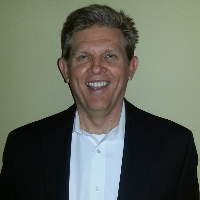
Texas · 18 yrs exp
Works with Stress, Anxiety / Relationship / Family +10
Works by Cognitive Behavioral Therapy (CBT) / Mindfulness Therapy
View Profile
Texas · 4 yrs exp
Works with Stress, Anxiety / Addictions / Relationship +4
Works by Acceptance and Commitment Therapy (ACT) / Client-Centered Therapy
View Profile
New York · 6 yrs exp
Works with Stress, Anxiety / Parenting / Anger +13
Works by Client-Centered Therapy / Cognitive Behavioral Therapy (CBT)
View Profile
Florida · 24 yrs exp
Works with Stress, Anxiety / Addictions / Grief +15
Works by Acceptance and Commitment Therapy (ACT) / Client-Centered Therapy
View ProfileCompulsion describes repetitive behaviors or mental acts that someone feels driven to perform, often in response to an urge or an intrusive thought. These behaviors can range from visible actions such as checking, washing or repeating routines to internal rituals like counting, reviewing memories or repeating phrases in your mind. For many people these behaviors are an attempt to reduce distress, prevent a feared outcome or relieve anxiety in the moment, but they can also take up a great deal of time and energy and interfere with daily functioning.
Compulsive behaviors are experienced differently by everyone. For some people the behavior may feel controllable in short stretches, while for others the urge is persistent and overwhelming. Compulsions can affect relationships, work, school and your ability to enjoy leisure activities. You might find that your efforts to avoid triggers shape how you plan your day, or that the relief the behavior provides is short-lived and followed by exhaustion or frustration. Understanding how compulsion shows up for you is an important first step in exploring therapeutic options.
Therapy is often considered when repetitive behaviors or mental rituals are frequent, distressing or get in the way of life. You might notice that the behaviors take up hours of your day, that you avoid certain people or places to prevent urges, or that you repeatedly check and cannot trust that something is done. Beyond time and avoidance, people commonly seek help when compulsion leads to persistent anxiety, impacts relationships, or causes problems at work or school.
Another sign that therapy could be helpful is when you feel trapped by the pattern - wanting to stop or reduce the behavior but unable to do so consistently. If attempts to manage the behavior on your own leave you feeling more distressed or if you find yourself strategically planning around rituals, that experience often points to the usefulness of professional support. You do not need to wait until life feels fully unmanageable to seek help; early engagement can reduce long-term disruption and give you strategies to regain control over routines and urges.
Your first sessions typically involve getting a clear picture of how compulsion affects your life. A clinician will ask about the types of behaviors or mental rituals you experience, how often they occur, what seems to trigger them and what effect they have on your functioning. They will explore your history - how long the pattern has been present, what strategies you have already tried and what has or has not helped. This assessment helps both you and the therapist shape a treatment plan that fits your goals.
As therapy continues, you can expect a mix of skill-building, gradual practice and reflection. Sessions often include real-time discussion of recent situations where urges emerged, rehearsing new responses and working through the emotions tied to compulsive acts. Therapy is typically collaborative - you and the therapist set targets, try interventions between sessions and review progress together. You may experience challenging moments when confronting urges, and effective therapy prepares you for those moments with coping tools and a framework to understand the cycle of compulsion.
There are several approaches that clinicians use to address compulsion, and therapists vary in which methods they emphasize. Cognitive behavioral therapy is frequently mentioned by clinicians and focuses on identifying the thoughts and behaviors that maintain compulsive cycles. A specific form of behavioral intervention often associated with compulsion is exposure and response prevention - sometimes referenced by clinicians as a method to reduce avoidance and teach new ways of responding to urges without performing the ritual. Some therapists describe using acceptance and commitment approaches that help you notice urges without acting on them and clarify your values so actions align with what matters most to you.
Other practitioners may include habit reversal strategies that focus on altering the physical components of a behavior, or integrate mindfulness-based practices to change how you relate to intrusive thoughts and sensations. You may also encounter therapists who list trauma-informed methods among their approaches when compulsion is interwoven with past experiences. When reading profiles, pay attention to the specific language a therapist uses - many will state the approaches they use so you can match those descriptions to the style of support you prefer.
Online therapy offers flexibility in how and where you meet with a clinician, which can make it easier to attend sessions and to practice strategies in your everyday environment. Remote sessions let you discuss triggers that happen in the places where you live and work, and therapists can guide in-the-moment planning for situations you will encounter between sessions. Some clinicians use video, phone or text-based messaging to deliver care; the format you choose should match what helps you engage and apply techniques. Online work does not change the core of therapy - it still involves assessment, goal setting, skill practice and reflection - but it can make consistent support more accessible.
When you review therapist profiles, focus on the specifics that matter to you. Look for clinicians who list compulsion or repetitive behaviors among their specialties and note the approaches they mention, such as cognitive behavioral methods, exposure and response prevention or mindfulness-based practices. Consider the credentials and fields of experience they describe, and pay attention to language and cultural factors - many therapists indicate the languages they work in or populations they have experience with. Reading a profile can help you form questions to ask in an initial conversation, such as how the clinician structures sessions for compulsion or how they measure progress.
Your comfort with a therapist's style and background matters. Think about whether you prefer a directive approach that focuses on exercises and homework, or a more exploratory style that links behaviors to broader life themes. Consider logistical details like session length, technology preferences and whether you want a clinician whose background aligns with your identity or cultural needs. It is also useful to ask about the typical course of work for compulsion and how progress is tracked. Comparing focus areas, approaches, credentials, languages and experience will help you choose a clinician whose profile aligns with your goals and who you are likely to work well with.
Deciding to seek help for compulsion is a meaningful step. Therapy can help you understand the patterns that keep rituals in place, develop new ways to respond to urges and build a life that feels less shaped by repetitive behaviors. As you explore profiles on this page, look for descriptions that resonate and give yourself permission to try different clinicians until you find a good fit for your needs and preferences.
Alabama
356 therapists
Alaska
38 therapists
Arizona
324 therapists
Arkansas
179 therapists
Australia
619 therapists
California
2459 therapists
Colorado
531 therapists
Connecticut
217 therapists
Delaware
69 therapists
District of Columbia
65 therapists
Florida
2398 therapists
Georgia
872 therapists
Hawaii
90 therapists
Idaho
142 therapists
Illinois
794 therapists
Indiana
411 therapists
Iowa
112 therapists
Kansas
171 therapists
Kentucky
299 therapists
Louisiana
463 therapists
Maine
103 therapists
Maryland
421 therapists
Massachusetts
324 therapists
Michigan
792 therapists
Minnesota
304 therapists
Mississippi
240 therapists
Missouri
569 therapists
Montana
137 therapists
Nebraska
123 therapists
Nevada
134 therapists
New Hampshire
63 therapists
New Jersey
555 therapists
New Mexico
128 therapists
New York
1295 therapists
North Carolina
955 therapists
North Dakota
26 therapists
Ohio
576 therapists
Oklahoma
372 therapists
Oregon
177 therapists
Pennsylvania
807 therapists
Rhode Island
48 therapists
South Carolina
437 therapists
South Dakota
44 therapists
Tennessee
382 therapists
Texas
2519 therapists
United Kingdom
4241 therapists
Utah
224 therapists
Vermont
46 therapists
Virginia
516 therapists
Washington
326 therapists
West Virginia
75 therapists
Wisconsin
382 therapists
Wyoming
69 therapists