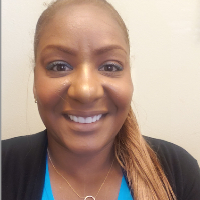
About Charlotte
Charlotte Watley is a Licensed Marriage and Family Therapist (LMFT) who helps people manage stress, anxiety, parenting challenges, and relationship concerns. She offers calm, focused listening and practical steps to handle hard moments. Her tone is direct and encouraging for someone looking for steady support.
She draws on a mix of client-centered work and structured techniques from cognitive behavioral therapy to tackle unhelpful thinking and build coping skills. Dialectical behavior therapy tools are used when strong emotions feel overwhelming.
Background and approach
She also brings ideas from Jungian and narrative approaches to help people make sense of their life stories. Clients can expect clear goals and straightforward homework when it helps. Sessions often involve practicing new ways of communicating, testing out small behavior changes, and identifying patterns that keep problems stuck.
She aims to balance warmth with practical action. Watley has been practicing since 2010 and has ten years of clinical experience. Her background includes a foundation in family systems thinking, which she uses to understand how relationships shape daily life.
She works with a range of concerns including ADHD, grief, anger, intimacy issues, self-esteem, and transitions like pregnancy and childbirth. She also addresses family of origin and blended family issues when those patterns affect present-day functioning.
Therapeutic approaches you can access online
Client-centered therapy focuses on listening and understanding each person's experience. It helps people feel heard and supports them in finding their own solutions to stress, anxiety, and relationship worries. Cognitive behavioral therapy, or CBT, looks at the links between thoughts, feelings, and actions. It uses short exercises and real-life practice to change patterns that increase anxiety or lower self-esteem. Dialectical behavior therapy, or DBT, teaches concrete skills for managing strong emotions and improving relationships. It offers breathing, grounding, and communication tools that can be used between sessions when emotions run high. Finding the right approach is part of therapy. The therapist will work together with the client to choose methods that match their goals, needs, and comfort level. That collaborative process can include trying different techniques and adjusting the plan as progress is made. Online sessions can fit a busy life. Video calls allow face-to-face work when visual cues matter. Phone sessions use less bandwidth and can be easier when movement or childcare is happening. Live chat and text-based messaging provide brief check-ins or ongoing coaching between sessions to practice skills and stay on track.Questions people ask
What kinds of concerns does she address?
How would you describe her therapy style?
What experience does she bring?
What are her credentials and where is she based?
Which languages are sessions offered in?
What session formats are available?
How are sessions priced?
How do I begin working with her?
What this therapist works with
Most often
- Stress, Anxiety
- Family conflicts
- Parenting issues
Also listed
- ADHD
- Anger management
- Attachment issues
- Blended family issues
- Body image
- Coaching
- Codependency
- Commitment issues
- Communication problems
- Control issues
- Coping with life changes
- Dependent personality
- Family of origin issues
- Family problems
- Fatherhood issues
- Grief
- Infidelity
- Intimacy-related issues
- Men's issues
- Narcissism
- Pregnancy and childbirth
- Prejudice and discrimination
- Seasonal Affective Disorder (SAD)
- Self esteem
- Self-love
- Smoking / vaping cessation
- Social anxiety and phobia
- Women's issues
- Workplace issues
Therapeutic approaches
- Experience
- 10 years
- Licensed
- Nevada
- Languages
- English
We will earn a commission if you sign up through our link, at no cost to you.