
Velma Jones, LCSW
New York · 29 yrs exp
Works with Stress, Anxiety / Relationship / Trauma and abuse +11
Works by Attachment-Based Therapy / Client-Centered Therapy
View ProfileOn this page you will find profiles of therapists who focus on obsessive-compulsive concerns, along with information about the approaches they list, credentials, and areas of focus. Use the listings below to explore options and learn which professionals describe work with OCD.
Browse the therapist profiles to compare specialties, approaches, languages, and years of experience to find a clinician who aligns with what you want from therapy.
New York · 29 yrs exp
Works with Stress, Anxiety / Relationship / Trauma and abuse +11
Works by Attachment-Based Therapy / Client-Centered Therapy
View Profile
North Carolina · 25 yrs exp
Works with Stress, Anxiety / Relationship / Family +16
Works by Attachment-Based Therapy / Client-Centered Therapy
View Profile
Texas · 30 yrs exp
Works with Stress, Anxiety / Addictions / Anger +14
Works by Cognitive Behavioral Therapy (CBT) / Mindfulness Therapy
View Profile
Texas · 20 yrs exp
Works with Stress, Anxiety / LGBT / Relationship +17
Works by Acceptance and Commitment Therapy (ACT) / Cognitive Behavioral Therapy (CBT)
View Profile
Louisiana · 15 yrs exp
Works with Stress, Anxiety / Relationship / Family +13
Works by Acceptance and Commitment Therapy (ACT) / Attachment-Based Therapy
View Profile
Colorado · 19 yrs exp · 2 languages
Works with Stress, Anxiety / Relationship / Trauma and abuse +13
Works by Acceptance and Commitment Therapy (ACT) / Attachment-Based Therapy
View Profile
Texas · 13 yrs exp
Works with Stress, Anxiety / Relationship / Trauma and abuse +12
Works by Attachment-Based Therapy / Client-Centered Therapy
View Profile
Florida · 20 yrs exp · 2 languages
Works with Stress, Anxiety / Addictions / Relationship +17
Works by Acceptance and Commitment Therapy (ACT) / Attachment-Based Therapy
View Profile
Oregon · 26 yrs exp
Works with Stress, Anxiety / Trauma and abuse / Grief +11
Works by Acceptance and Commitment Therapy (ACT) / Attachment-Based Therapy
View Profile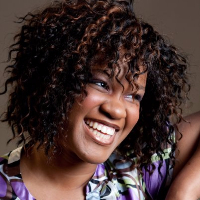
Pennsylvania · 15 yrs exp
Works with Stress, Anxiety / Addictions / Trauma and abuse +14
Works by Cognitive Behavioral Therapy (CBT) / Dialectical Behavior Therapy (DBT)
View Profile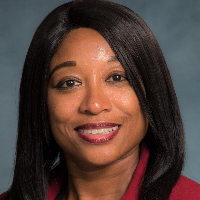
Georgia · 8 yrs exp
Works with Stress, Anxiety / Relationship / Family +12
Works by Client-Centered Therapy / Cognitive Behavioral Therapy (CBT)
View Profile
Kentucky · 18 yrs exp
Works with LGBT / Relationship / Family +15
Works by Attachment-Based Therapy / Client-Centered Therapy
View Profile
Colorado · 15 yrs exp
Works with Stress, Anxiety / Relationship / Intimacy-related issues +11
Works by Acceptance and Commitment Therapy (ACT) / Attachment-Based Therapy
View Profile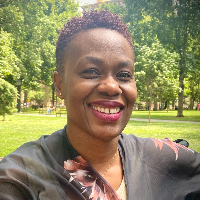
Oklahoma · 7 yrs exp
Works with Stress, Anxiety / Relationship / Grief +9
Works by Client-Centered Therapy / Cognitive Behavioral Therapy (CBT)
View Profile
Maryland · 6 yrs exp
Works with Stress, Anxiety / Trauma and abuse / Self esteem +11
Works by Attachment-Based Therapy / Client-Centered Therapy
View Profile
Michigan · 5 yrs exp
Works with Stress, Anxiety / Relationship / Family +13
Works by Acceptance and Commitment Therapy (ACT) / Cognitive Behavioral Therapy (CBT)
View Profile
Pennsylvania · 12 yrs exp
Works with Stress, Anxiety / Relationship / Self esteem +12
Works by Client-Centered Therapy / Cognitive Behavioral Therapy (CBT)
View Profile
North Carolina · 10 yrs exp
Works with Stress, Anxiety / Relationship / Family +17
Works by Acceptance and Commitment Therapy (ACT) / Client-Centered Therapy
View Profile
Missouri · 7 yrs exp
Works with Stress, Anxiety / Addictions / Relationship +14
Works by Client-Centered Therapy / Cognitive Behavioral Therapy (CBT)
View Profile
Louisiana · 10 yrs exp
Works with Stress, Anxiety / Relationship / Family +13
Works by Attachment-Based Therapy / Client-Centered Therapy
View Profile
Texas · 10 yrs exp
Works with Stress, Anxiety / Relationship / Family +15
Works by Acceptance and Commitment Therapy (ACT) / Attachment-Based Therapy
View Profile
Illinois · 10 yrs exp
Works with Stress, Anxiety / LGBT / Relationship +11
Works by Client-Centered Therapy / Emotionally-Focused Therapy (EFT)
View Profile
Minnesota · 23 yrs exp
Works with Stress, Anxiety / Relationship / Trauma and abuse +14
Works by Attachment-Based Therapy / Client-Centered Therapy
View Profile
Louisiana · 22 yrs exp
Works with Stress, Anxiety / Relationship / Family +12
Works by Client-Centered Therapy / Cognitive Behavioral Therapy (CBT)
View Profile
Florida · 10 yrs exp
Works with Stress, Anxiety / Addictions / Family +9
Works by Client-Centered Therapy / Cognitive Behavioral Therapy (CBT)
View Profile
Colorado · 11 yrs exp
Works with Stress, Anxiety / LGBT / Trauma and abuse +16
Works by Acceptance and Commitment Therapy (ACT) / Client-Centered Therapy
View Profile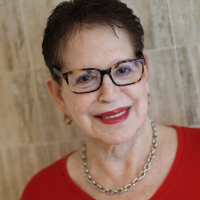
Florida · 18 yrs exp
Works with Stress, Anxiety / Relationship / Grief +13
Works by Client-Centered Therapy / Cognitive Behavioral Therapy (CBT)
View Profile
Florida · 30 yrs exp
Works with Stress, Anxiety / Relationship / Trauma and abuse +15
Works by Acceptance and Commitment Therapy (ACT) / Client-Centered Therapy
View Profile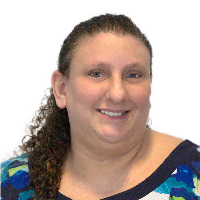
Florida · 15 yrs exp
Works with Stress, Anxiety / Addictions / Trauma and abuse +15
Works by Acceptance and Commitment Therapy (ACT) / Client-Centered Therapy
View Profile
Michigan · 21 yrs exp
Works with Stress, Anxiety / Relationship / Family +15
Works by Acceptance and Commitment Therapy (ACT) / Attachment-Based Therapy
View Profile
Texas · 22 yrs exp
Works with Stress, Anxiety / Relationship / Trauma and abuse +17
Works by Acceptance and Commitment Therapy (ACT) / Attachment-Based Therapy
View Profile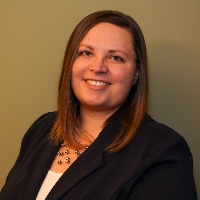
Illinois · 12 yrs exp
Works with Stress, Anxiety / Trauma and abuse / Parenting +13
Works by Client-Centered Therapy / Cognitive Behavioral Therapy (CBT)
View Profile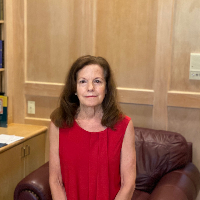
Massachusetts · 25 yrs exp
Works with Stress, Anxiety / Relationship / Family +15
Works by Attachment-Based Therapy / Client-Centered Therapy
View Profile
New Jersey · 8 yrs exp
Works with Stress, Anxiety / Relationship / Trauma and abuse +15
Works by Acceptance and Commitment Therapy (ACT) / Attachment-Based Therapy
View Profile
Mississippi · 12 yrs exp
Works with Stress, Anxiety / Addictions / Anger +13
Works by Client-Centered Therapy / Cognitive Behavioral Therapy (CBT)
View Profile
Indiana · 8 yrs exp
Works with Stress, Anxiety / Addictions / Family +16
Works by Acceptance and Commitment Therapy (ACT) / Attachment-Based Therapy
View Profile
Florida · 20 yrs exp
Works with Addictions / Relationship / Trauma and abuse +15
Works by Acceptance and Commitment Therapy (ACT) / Attachment-Based Therapy
View Profile
Tennessee · 35 yrs exp
Works with Stress, Anxiety / Grief / Self esteem +9
Works by Acceptance and Commitment Therapy (ACT) / Client-Centered Therapy
View Profile
Virginia · 31 yrs exp
Works with Stress, Anxiety / Relationship / Family +13
Works by Attachment-Based Therapy / Client-Centered Therapy
View Profile
Florida · 17 yrs exp
Works with Stress, Anxiety / Trauma and abuse / Eating +15
Works by Acceptance and Commitment Therapy (ACT) / Client-Centered Therapy
View Profile
Mississippi · 25 yrs exp
Works with Stress, Anxiety / Relationship / Family +16
Works by Acceptance and Commitment Therapy (ACT) / Client-Centered Therapy
View Profile
Georgia · 25 yrs exp
Works with Stress, Anxiety / Parenting / Anger +16
Works by Attachment-Based Therapy / Client-Centered Therapy
View Profile
Florida · 14 yrs exp
Works with Stress, Anxiety / Trauma and abuse / Grief +14
Works by Cognitive Behavioral Therapy (CBT) / Dialectical Behavior Therapy (DBT)
View Profile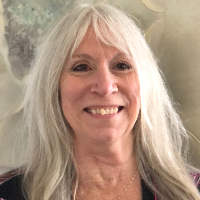
Michigan · 11 yrs exp
Works with Stress, Anxiety / Trauma and abuse / Self esteem +7
Works by Acceptance and Commitment Therapy (ACT) / Attachment-Based Therapy
View Profile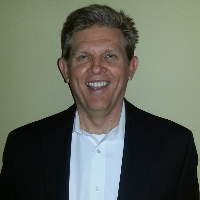
Texas · 18 yrs exp
Works with Stress, Anxiety / Relationship / Family +10
Works by Cognitive Behavioral Therapy (CBT) / Mindfulness Therapy
View Profile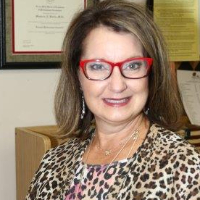
Texas · 4 yrs exp
Works with Stress, Anxiety / Addictions / Relationship +4
Works by Acceptance and Commitment Therapy (ACT) / Client-Centered Therapy
View Profile
New York · 6 yrs exp
Works with Stress, Anxiety / Parenting / Anger +13
Works by Client-Centered Therapy / Cognitive Behavioral Therapy (CBT)
View Profile
Florida · 24 yrs exp
Works with Stress, Anxiety / Addictions / Grief +15
Works by Acceptance and Commitment Therapy (ACT) / Client-Centered Therapy
View ProfileObsessive-compulsive disorder, often called OCD, involves recurring thoughts, images, or urges that feel intrusive and hard to dismiss, paired with repetitive behaviors or mental rituals aimed at reducing distress. Obsessions can take many forms - fears of contamination, intrusive violent or sexual thoughts, excessive doubts that things were not done correctly, or an intense need for symmetry and order. Compulsions are the actions or mental routines you perform to relieve the anxiety prompted by those thoughts. For some people rituals are overt actions like checking, washing, or repeating, while for others they are mental processes such as counting or reviewing events in your mind.
The pattern of obsessions and compulsions can shape daily life. You may find yourself spending large amounts of time on rituals, avoiding situations that trigger obsessions, or experiencing persistent rumination that interferes with work, relationships, or daily tasks. Emotional effects often include shame, frustration, exhaustion, and isolation because the behaviors can feel hard to explain to others. Recognizing that these patterns are part of a condition many people experience can be an important step toward seeking support and learning tools to reduce distress and regain control over routines and choices.
If intrusive thoughts and repetitive behaviors cause ongoing distress or interfere with your ability to do what you want each day, therapy may help. You might notice that rituals take up more time than you intended, that you avoid places or people to escape triggers, or that you feel stuck in cycles of checking or mental reviewing even when you know the behavior is excessive. Emotional signs include persistent anxiety around particular themes, increasing irritability, sleep disruption, and withdrawal from social activities because rituals are time-consuming or embarrassing.
Beyond frequency and duration, consider the degree to which these patterns reduce your sense of freedom. If obsessions lead you to make major life decisions, limit your work or schooling, or create conflict with partners or family, professional guidance can offer structure and strategies. You may also seek help when you notice that attempts to resist rituals cause intense spikes in distress, or when avoidance reduces opportunities you value. Therapy can support you in learning alternatives to rituals and in rebuilding routines that match your goals.
When you begin working with a therapist about OCD, initial sessions typically involve a collaborative assessment to understand your specific obsessions, compulsions, triggers, and how these affect your daily life. You and your clinician will clarify goals so therapy focuses on changes you want to make. Sessions often follow a structured approach that combines talking through situations that provoke distress with practical exercises to practice different responses.
Homework between sessions is common because change often happens through gradual practice in real-world settings. Your therapist may guide you in planning exposure tasks and in tracking patterns of anxiety and rituals over time. Sessions may include reviewing the results of these exercises, troubleshooting barriers, and adjusting plans so they remain manageable. If family members or partners are involved in rituals or avoidance, therapy may include conversations about how loved ones can provide support that reduces unhelpful accommodation. Throughout, you and your clinician aim to build coping skills so you can face triggers with increasing confidence and fewer rituals.
Therapists take a range of approaches when working with obsessive-compulsive concerns. Cognitive-behavioral techniques are commonly used to help you identify unhelpful thinking patterns and to experiment with alternative responses. A behavioral method known as exposure and response prevention, often abbreviated as ERP, focuses on gradually facing feared situations or thoughts while refraining from ritualized responses. In practice this means you and your therapist will design exposures that start at a manageable level and increase as you build tolerance for discomfort.
Some clinicians incorporate acceptance and commitment approaches that emphasize noticing thoughts without acting on them and clarifying personal values to guide change. Mindfulness practices may be used to increase your ability to observe intrusive thoughts without engaging in ritualized behavior. Group therapy and family-based work are also options when symptoms affect relationships or when you want the shared learning environment of others who understand the experience of OCD. When reading therapist profiles, you will see descriptions that say, for example, therapists who list ERP among their approaches or therapists who list ACT among their approaches. Those phrases indicate the methods the clinician says they use, not specific certifications.
Online therapy can make it easier to connect with clinicians who specialize in obsessive-compulsive concerns, especially if you live in an area with limited in-person options. Sessions are usually conducted by video so you can interact face to face, though some clinicians also offer phone sessions or messaging. Remote formats allow you to do exposures in the environments that are part of your daily routine - your home, workplace, or neighborhood - with real-time coaching from your therapist. This can make certain exercises more practical and relevant to what triggers you.
When you choose online work, look for information about session length, how homework is shared and reviewed, and whether the clinician uses measurement tools to track progress. Discuss logistics like session platforms, fees, and whether the therapist coordinates care with other providers, such as a psychiatrist, if medication is part of your plan. Online therapy requires a dependable internet connection and a setting where you can talk freely, so consider a room where you feel comfortable and can concentrate.
Start by focusing on the aspects of care that matter most to you. Read profiles for clinicians who describe experience with obsessive-compulsive symptoms and note the approaches they list. If ERP is something you want to pursue, look for therapists who list ERP among their approaches and describe how they implement exposures and homework. Pay attention to credentials and licensure type to understand the clinician’s professional background, and notice languages offered if that affects your comfort in sessions.
Consider how a therapist describes their approach to pacing, collaboration, and family involvement, since these elements influence how therapy will feel day to day. Think about practical preferences like session spacing, format - in-person or video - and whether you prefer individual or group formats. It can be helpful to read a clinician’s statements about working with severe anxiety, high levels of shame, or co-occurring concerns such as depression or trauma, because these frequently intersect with OCD. Finally, trust your sense of fit; a clinician’s style and the rapport you feel in early conversations play a large role in whether you engage fully in the work ahead.
Finding the right therapeutic match may take a few inquiries, but the listings below let you compare many profiles and select clinicians who emphasize the approaches, languages, and experience most relevant to you. With consistent practice, a collaborative plan, and a therapist whose methods align with your goals, you can take concrete steps to reduce the hold of rituals and live with greater freedom from obsessive worries.
Alabama
356 therapists
Alaska
38 therapists
Arizona
324 therapists
Arkansas
179 therapists
Australia
619 therapists
California
2459 therapists
Colorado
531 therapists
Connecticut
217 therapists
Delaware
69 therapists
District of Columbia
65 therapists
Florida
2398 therapists
Georgia
872 therapists
Hawaii
90 therapists
Idaho
142 therapists
Illinois
794 therapists
Indiana
411 therapists
Iowa
112 therapists
Kansas
171 therapists
Kentucky
299 therapists
Louisiana
463 therapists
Maine
103 therapists
Maryland
421 therapists
Massachusetts
324 therapists
Michigan
792 therapists
Minnesota
304 therapists
Mississippi
240 therapists
Missouri
569 therapists
Montana
137 therapists
Nebraska
123 therapists
Nevada
134 therapists
New Hampshire
63 therapists
New Jersey
555 therapists
New Mexico
128 therapists
New York
1295 therapists
North Carolina
955 therapists
North Dakota
26 therapists
Ohio
576 therapists
Oklahoma
372 therapists
Oregon
177 therapists
Pennsylvania
807 therapists
Rhode Island
48 therapists
South Carolina
437 therapists
South Dakota
44 therapists
Tennessee
382 therapists
Texas
2519 therapists
United Kingdom
4241 therapists
Utah
224 therapists
Vermont
46 therapists
Virginia
516 therapists
Washington
326 therapists
West Virginia
75 therapists
Wisconsin
382 therapists
Wyoming
69 therapists