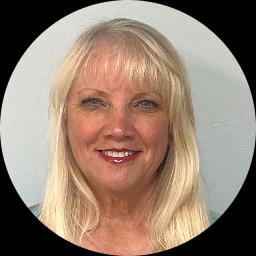
About Cheli
Cheli Webb is a licensed clinical mental health counselor with 12 years of experience practicing in Utah. She focuses on helping people manage stress and anxiety, cope with addictions, and heal from trauma. She emphasizes client strengths and meets people where they are in their story.
Her style is calm and person-centered. She listens first and helps clients name problems in plain terms. Then she and the client set simple, achievable goals and practice skills between sessions.
Background and approach
Cheli blends several approaches to fit each person's needs. She uses cognitive behavioral techniques to challenge unhelpful thoughts and build new habits. She incorporates attachment-based ideas to improve connection patterns and address relationship struggles.
For people who have experienced traumatic events, she may use eye movement desensitization and reprocessing to reduce distress tied to difficult memories. Dialectical behavior therapy skills are available for managing intense emotions, improving distress tolerance, and reducing impulsive behavior. She works with a wide range of concerns including depression, grief, eating and sleeping problems, ADHD, and compassion fatigue.
She also helps with communication problems, codependency, and first responder or veteran challenges. Sessions are practical, straightforward, and paced to the client's comfort.
How her approaches translate to online therapy
Cheli commonly uses cognitive behavioral therapy and attachment-based ideas to guide online work. Cognitive behavioral therapy focuses on identifying unhelpful thoughts and testing new behaviors, which works well in sessions where clients practice exercises and plan real-world experiments. Attachment-based therapy looks at patterns of relating and helps people build healthier ways of connecting with others, useful for relationship concerns and family stress.She treats the selection of techniques as a collaborative process. During early sessions she will listen to your goals and suggest approaches that match your needs. Together you can try different strategies and adjust the plan based on what feels most effective and doable for you.
Online formats include video calls, phone sessions, live chat, and text messaging. Video calls are good for deeper conversation and skill practice. Phone sessions can be easier when bandwidth or camera use is an issue. Live chat and text messaging work for brief check-ins, short coaching, or ongoing support between longer sessions. These options make it easier to fit therapy around work, family, and daily life while still working on anxiety, trauma, and coping skills.
Questions people ask
What issues does she commonly help with?
How would you describe her therapy style?
What background and experience does she have?
Where is she licensed to practice?
Which languages are used in sessions?
What session formats are available?
How does payment or cost work?
How do I begin working with her?
What this therapist works with
Most often
- Stress, Anxiety
- Addictions
- Relationship issues
Also listed
- ADHD
- Anger management
- Antisocial personality
- Bipolar disorder
- Blended family issues
- Coaching
- Codependency
- Communication problems
- Compassion fatigue
- Coping with life changes
- Depression
- Dissociation
- Drug and alcohol addiction
- Eating and food-related issues
- Eating disorders
- Family conflicts
- First responder issues
- Grief
- Guilt and shame
- Impulsivity
- Intimacy-related issues
- Jealousy
- LGBT
- Multicultural concerns
- Obsessions, compulsions, and OCD
- Personality disorders
- Post-traumatic stress
- Process addiction (porn, exercise, gambling)
- Self esteem
- Self-harm
- Sleeping disorders
- Social anxiety and phobia
- Trauma and abuse
- Traumatic brain injury
- Veteran and Armed Forces Issues
Therapeutic approaches
- Experience
- 12 years
- Licensed
- Utah
- Languages
- English
We will earn a commission if you sign up through our link, at no cost to you.