
Anne Douglas, LMFT
North Carolina · 25 yrs exp
Works with Stress, Anxiety / Relationship / Family +16
Works by Attachment-Based Therapy / Client-Centered Therapy
View ProfileInternal Family Systems is a therapeutic approach that views the mind as made up of distinct parts and emphasizes compassionate self-leadership. Below you can browse therapists who list Internal Family Systems among their approaches and review profiles to find a good match.
North Carolina · 25 yrs exp
Works with Stress, Anxiety / Relationship / Family +16
Works by Attachment-Based Therapy / Client-Centered Therapy
View Profile
Colorado · 19 yrs exp · 2 languages
Works with Stress, Anxiety / Relationship / Trauma and abuse +13
Works by Acceptance and Commitment Therapy (ACT) / Attachment-Based Therapy
View Profile
Florida · 20 yrs exp · 2 languages
Works with Stress, Anxiety / Addictions / Relationship +17
Works by Acceptance and Commitment Therapy (ACT) / Attachment-Based Therapy
View Profile
Oregon · 26 yrs exp
Works with Stress, Anxiety / Trauma and abuse / Grief +11
Works by Acceptance and Commitment Therapy (ACT) / Attachment-Based Therapy
View Profile
Kansas · 12 yrs exp
Works with Stress, Anxiety / Relationship / Intimacy-related issues +14
Works by Client-Centered Therapy / Cognitive Behavioral Therapy (CBT)
View Profile
Colorado · 15 yrs exp
Works with Stress, Anxiety / Relationship / Intimacy-related issues +11
Works by Acceptance and Commitment Therapy (ACT) / Attachment-Based Therapy
View Profile
Louisiana · 7 yrs exp
Works with Stress, Anxiety / Family / Trauma and abuse +16
Works by Acceptance and Commitment Therapy (ACT) / Attachment-Based Therapy
View Profile
New York · 11 yrs exp
Works with Stress, Anxiety / Grief / Self esteem +9
Works by Acceptance and Commitment Therapy (ACT) / Attachment-Based Therapy
View Profile
Missouri · 7 yrs exp
Works with Stress, Anxiety / Addictions / Relationship +14
Works by Client-Centered Therapy / Cognitive Behavioral Therapy (CBT)
View Profile
Louisiana · 10 yrs exp
Works with Stress, Anxiety / Relationship / Family +13
Works by Attachment-Based Therapy / Client-Centered Therapy
View Profile
Texas · 10 yrs exp
Works with Stress, Anxiety / Relationship / Family +15
Works by Acceptance and Commitment Therapy (ACT) / Attachment-Based Therapy
View Profile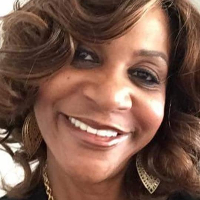
Ohio · 18 yrs exp
Works with Stress, Anxiety / Trauma and abuse / Grief +12
Works by Acceptance and Commitment Therapy (ACT) / Client-Centered Therapy
View Profile
New Jersey · 22 yrs exp
Works with Stress, Anxiety / LGBT / Relationship +11
Works by Acceptance and Commitment Therapy (ACT) / Attachment-Based Therapy
View Profile
Wisconsin · 23 yrs exp
Works with Stress, Anxiety / Trauma and abuse / Eating +14
Works by Acceptance and Commitment Therapy (ACT) / Client-Centered Therapy
View Profile
Missouri · 14 yrs exp
Works with Stress, Anxiety / Self esteem / Career +14
Works by Acceptance and Commitment Therapy (ACT) / Attachment-Based Therapy
View Profile
California · 8 yrs exp
Works with Stress, Anxiety / Addictions / Relationship +16
Works by Attachment-Based Therapy / Client-Centered Therapy
View Profile
Texas · 22 yrs exp
Works with Stress, Anxiety / Relationship / Trauma and abuse +17
Works by Acceptance and Commitment Therapy (ACT) / Attachment-Based Therapy
View Profile
New Jersey · 8 yrs exp
Works with Stress, Anxiety / Relationship / Trauma and abuse +15
Works by Acceptance and Commitment Therapy (ACT) / Attachment-Based Therapy
View Profile
Indiana · 8 yrs exp
Works with Stress, Anxiety / Addictions / Family +16
Works by Acceptance and Commitment Therapy (ACT) / Attachment-Based Therapy
View Profile
Utah · 6 yrs exp
Works with Stress, Anxiety / Trauma and abuse / Self esteem +9
Works by Client-Centered Therapy / Dialectical Behavior Therapy (DBT)
View Profile
Virginia · 31 yrs exp
Works with Stress, Anxiety / Relationship / Family +13
Works by Attachment-Based Therapy / Client-Centered Therapy
View Profile
Florida · 17 yrs exp
Works with Stress, Anxiety / Trauma and abuse / Eating +15
Works by Acceptance and Commitment Therapy (ACT) / Client-Centered Therapy
View Profile
Mississippi · 25 yrs exp
Works with Stress, Anxiety / Relationship / Family +16
Works by Acceptance and Commitment Therapy (ACT) / Client-Centered Therapy
View Profile
Georgia · 17 yrs exp
Works with Relationship / Family / Trauma and abuse +14
Works by Acceptance and Commitment Therapy (ACT) / Attachment-Based Therapy
View Profile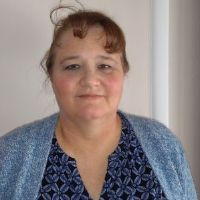
Nebraska · 25 yrs exp
Works with Stress, Anxiety / Family / Trauma and abuse +13
Works by Client-Centered Therapy / Cognitive Behavioral Therapy (CBT)
View Profile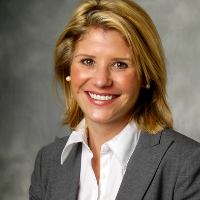
South Carolina · 20 yrs exp
Works with Stress, Anxiety / Relationship / Eating +11
Works by Client-Centered Therapy / Cognitive Behavioral Therapy (CBT)
View Profile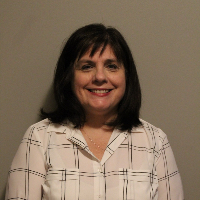
New York · 36 yrs exp
Works with Stress, Anxiety / Family / Parenting +8
Works by Client-Centered Therapy / Cognitive Behavioral Therapy (CBT)
View Profile
Illinois · 12 yrs exp
Works with Trauma and abuse / Self esteem / Coping with life changes +9
Works by Acceptance and Commitment Therapy (ACT) / Attachment-Based Therapy
View Profile
Ohio · 17 yrs exp
Works with Stress, Anxiety / Family / Parenting +13
Works by Attachment-Based Therapy / Client-Centered Therapy
View Profile
Louisiana · 28 yrs exp
Works with Stress, Anxiety / Relationship / Grief +16
Works by Acceptance and Commitment Therapy (ACT) / Attachment-Based Therapy
View Profile
Louisiana · 25 yrs exp
Works with Addictions / Relationship / Family +12
Works by Client-Centered Therapy / Cognitive Behavioral Therapy (CBT)
View Profile
Massachusetts · 12 yrs exp
Works with Stress, Anxiety / Anger / Self esteem +4
Works by Client-Centered Therapy / Cognitive Behavioral Therapy (CBT)
View Profile
Missouri · 35 yrs exp
Works with Stress, Anxiety / Trauma and abuse / Anger +14
Works by Acceptance and Commitment Therapy (ACT) / Client-Centered Therapy
View Profile
Kansas · 17 yrs exp
Works with Stress, Anxiety / Relationship / Family +11
Works by Attachment-Based Therapy / Client-Centered Therapy
View Profile
Mississippi · 36 yrs exp
Works with Family / Parenting / Anger +12
Works by Acceptance and Commitment Therapy (ACT) / Attachment-Based Therapy
View Profile
Florida · 28 yrs exp · 3 languages
Works with Stress, Anxiety / Addictions / Trauma and abuse +14
Works by Acceptance and Commitment Therapy (ACT) / Attachment-Based Therapy
View Profile
Missouri · 17 yrs exp
Works with Stress, Anxiety / Addictions / Relationship +10
Works by Attachment-Based Therapy / Client-Centered Therapy
View Profile
South Carolina · 8 yrs exp
Works with Stress, Anxiety / Relationship / Family +12
Works by Client-Centered Therapy / Cognitive Behavioral Therapy (CBT)
View Profile
Texas · 20 yrs exp
Works with Stress, Anxiety / Relationship / Family +14
Works by Attachment-Based Therapy / Client-Centered Therapy
View Profile
Florida · 20 yrs exp
Works with Stress, Anxiety / Relationship / Grief +2
Works by Acceptance and Commitment Therapy (ACT) / Attachment-Based Therapy
View Profile
Florida · 24 yrs exp
Works with Stress, Anxiety / Relationship / Family +12
Works by Client-Centered Therapy / Cognitive Behavioral Therapy (CBT)
View Profile
North Carolina · 20 yrs exp
Works with Stress, Anxiety / Addictions / LGBT +2
Works by Acceptance and Commitment Therapy (ACT) / Client-Centered Therapy
View Profile
Missouri · 13 yrs exp
Works with Stress, Anxiety / Addictions / Relationship +7
Works by Cognitive Behavioral Therapy (CBT) / Existential Therapy
View Profile
Michigan · 25 yrs exp
Works with Stress, Anxiety / Relationship / Self esteem +12
Works by Acceptance and Commitment Therapy (ACT) / Client-Centered Therapy
View Profile
Montana · 10 yrs exp
Works with Stress, Anxiety / Trauma and abuse / Grief +10
Works by Attachment-Based Therapy / Client-Centered Therapy
View Profile
Montana · 23 yrs exp
Works with Stress, Anxiety / Family / Trauma and abuse +13
Works by Acceptance and Commitment Therapy (ACT) / Attachment-Based Therapy
View Profile
Michigan · 8 yrs exp
Works with Stress, Anxiety / Self esteem / Career +17
Works by Acceptance and Commitment Therapy (ACT) / Attachment-Based Therapy
View Profile
Missouri · 30 yrs exp
Works with Stress, Anxiety / Relationship / Family +11
Works by Client-Centered Therapy / Cognitive Behavioral Therapy (CBT)
View ProfileWhen you read about Internal Family Systems, often shortened to IFS, you will encounter two central ideas: that the mind contains multiple subpersonalities or parts, and that there is a core Self with qualities like curiosity, calm, and compassion. In IFS language, parts take on roles - some protect, some hold pain, some try to manage daily life - and these roles develop as responses to life experience. The goal of IFS work is not to eliminate parts but to help them shift from extreme roles into more balanced, cooperative positions under the leadership of your Self.
In practice, IFS emphasizes a nonpathologizing stance toward inner experience. Rather than labeling parts as wrong, the approach invites you to relate to them with interest and respect. You are encouraged to notice how parts speak, feel, and behave, and to develop a kind, steady presence as you engage with them. This stance is intended to help previously reactive parts relax, disclose their concerns, and reorient toward more helpful ways of being.
You will frequently encounter terms such as Self, parts, protectors, exiles, and blending. Protectors are parts that try to prevent pain from surfacing; exiles are parts that carry vulnerable feelings or memories. Blending refers to moments when a part dominates your overall sense of who you are. Learning to unblend and to make space for the Self allows you to witness parts without being carried away by them. That witnessing capacity is central to how IFS supports change.
You might consider IFS when you are dealing with persistent patterns that feel stuck or when intense emotions and inner conflict interfere with your daily life. Many people turn to IFS for help with anxiety, depression, trauma-related symptoms, and difficulties in relationships. Because IFS focuses on internal dynamics, it can also be useful for addressing self-criticism, shame, addictive impulses, and the ways you respond under stress.
The approach can be applied across a wide range of concerns, from long-standing emotional patterns that trace back to childhood to more recent struggles that flare up during life transitions. People who have tried talk-based therapies that felt too surface-level sometimes find IFS helpful because it offers a concrete way to map and dialogue with the parts behind behaviors and feelings. That said, IFS is not a single solution for every concern. It tends to be most helpful when your primary aim is to increase self-awareness, shift repetitive internal dynamics, and foster internal collaboration.
In a typical IFS session you will spend time noticing inner experience rather than only recounting events. Early sessions often begin with establishing a calm presence and identifying which part of you is most active in the moment. Your therapist may invite you to focus on bodily sensations, images, or the tone of a particular part. The process is conversational - you are encouraged to speak for parts, listen to them, and ask gentle questions to understand their intentions.
Sessions can involve guided attention, imagery, and reflective dialogue. You might be asked to describe the beliefs, feelings, and sensations that a part holds, and to explore the protective strategies it uses. Over time, you may practice stepping back so that your Self can relate to parts with more clarity and compassion. The pace varies; some parts reveal themselves quickly, while others require patience and repeated gentle attention. Many people report that even small shifts in how they relate to a part can reduce reactivity and open space for new choices.
If intense emotions or painful memories arise during a session, the focus remains on how parts are managing those experiences rather than on reliving trauma in a raw way. The therapist's role is to support your capacity to bear what comes up while honoring the limits you set. You remain in control of the process, and steps are taken to maintain an orderly, paced approach to deeper material so you can engage without becoming overwhelmed.
IFS differs from many standard approaches in the way it conceptualizes inner conflict and change. Cognitive-behavioral approaches tend to focus on identifying and restructuring thoughts and behavior patterns. Psychodynamic traditions emphasize unconscious motives and relational patterns across time. IFS complements both by providing a model that treats inner parts as active agents with positive intent, and by centering the Self as a source of healing influence.
Unlike therapies that prioritize symptom reduction as the first step, IFS emphasizes relationship with parts. Instead of immediately attempting to change or suppress a problematic feeling, you are guided to learn from the part that produces it. This curiosity-based stance often reduces shame and fosters a collaborative internal climate. The emphasis on internal leadership - cultivating a calm, curious Self - creates a framework for change that can be integrated with other approaches when appropriate.
You may find therapists who blend IFS-informed practices with other approaches to address specific needs. For example, skill-building work to manage panic or sleep difficulties can coexist with IFS exploration of underlying parts that drive those symptoms. The distinction to note is conceptual: IFS reframes symptoms as expressions of parts rather than only as targets for elimination, which can shift how you approach change over the course of therapy.
IFS can be accessible to many people because it begins with curiosity and gentle attention rather than immediate confrontation. You may be a good candidate if you are willing to explore inner experience, to notice different emotional states, and to practice relating to parts with compassion. People who struggle with intense self-criticism, recurrent internal conflict, or a sense of fragmentation often find IFS offers a new explanatory map that can feel empowering.
Finding a therapist who lists Internal Family Systems among their approaches is a practical first step. When reviewing profiles, look for descriptions that explain how the therapist integrates IFS ideas with other aspects of their practice. Pay attention to stated focus areas, such as trauma, anxiety, relationships, or adolescent work, and the credentials and modalities they mention. Reading a therapist's description can help you gauge whether their style - more experiential, more verbally oriented, or more skills-focused - fits what you want.
As you compare profiles, consider asking yourself how a therapist describes the therapeutic relationship, how they explain progress, and whether their approach aligns with your preferences for pace and structure. You might also check practical details such as session length, fees, and whether they offer in-person or remote formats. Keep in mind that a therapeutic match is a personal fit as much as a technical one; descriptions that resonate with your experience and goals can be a good indicator of alignment.
Ultimately, working with parts is an exploratory process that often benefits from consistency and a therapist who communicates clearly about how sessions will proceed. By focusing on descriptions, focus areas, and approach, you can identify clinicians who list Internal Family Systems among their approaches and who seem likely to support the kind of inner work you are looking to do. That groundwork can help you begin a therapeutic process aimed at strengthening your ability to lead from the Self and to transform repetitive patterns into more adaptive ways of responding.
Alabama
356 therapists
Alaska
38 therapists
Arizona
324 therapists
Arkansas
179 therapists
Australia
619 therapists
California
2459 therapists
Colorado
531 therapists
Connecticut
217 therapists
Delaware
69 therapists
District of Columbia
65 therapists
Florida
2398 therapists
Georgia
872 therapists
Hawaii
90 therapists
Idaho
142 therapists
Illinois
794 therapists
Indiana
411 therapists
Iowa
112 therapists
Kansas
171 therapists
Kentucky
299 therapists
Louisiana
463 therapists
Maine
103 therapists
Maryland
421 therapists
Massachusetts
324 therapists
Michigan
792 therapists
Minnesota
304 therapists
Mississippi
240 therapists
Missouri
569 therapists
Montana
137 therapists
Nebraska
123 therapists
Nevada
134 therapists
New Hampshire
63 therapists
New Jersey
555 therapists
New Mexico
128 therapists
New York
1295 therapists
North Carolina
955 therapists
North Dakota
26 therapists
Ohio
576 therapists
Oklahoma
372 therapists
Oregon
177 therapists
Pennsylvania
807 therapists
Rhode Island
48 therapists
South Carolina
437 therapists
South Dakota
44 therapists
Tennessee
382 therapists
Texas
2519 therapists
United Kingdom
4241 therapists
Utah
224 therapists
Vermont
46 therapists
Virginia
516 therapists
Washington
326 therapists
West Virginia
75 therapists
Wisconsin
382 therapists
Wyoming
69 therapists