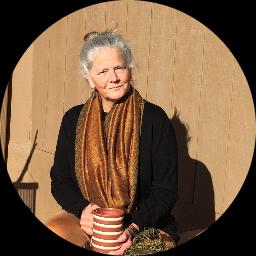
About Teri
Teri Nielsen is a Licensed Mental Health Counselor (LMHC, LCMHC) with 35 years of clinical experience. She practices from Utah and brings a straightforward, active style to therapy. Many clients seek her out for anxiety, trauma, relationship strain, and life transitions.
She has worked across inpatient and outpatient settings and has helped people from varied backgrounds, including high-functioning professionals and first responders. Her approach combines practical skill-building with attention to life story and meaning.
Background and approach
Teri encourages honest effort and steady commitment to change. Sessions tend to be direct and engaged. She draws on attachment-based ideas to help people repair connection and on cognitive behavioral techniques to shift unhelpful thinking.
Emotionally-focused strategies are used when relationship patterns and closeness are the concern. Teri also brings mindfulness and experiential practices into sessions. She has taught Mindfulness-Based Stress Reduction and uses meditation exercises to reduce anxiety and address addictive behaviors.
Her work often links moment-to-moment skills with longer-term insight. Clients who work with her should expect practical tools and thoughtful conversation about life purpose and resilience. She invites people to bring honesty, effort, and a willingness to try new ways of coping.
The aim is clearer thinking, calmer days, and better relationships.
Approach to Online Therapy and Treatment Styles
Attachment-based work focuses on patterns of connection and trust between people. In online sessions this helps clients see how past relationships shape current reactions and rebuild safer ways of relating. Cognitive Behavioral Therapy (CBT) targets unhelpful thinking and teaches clear skills to reduce anxiety and change behavior. It is practical and pairs well with homework between sessions. Emotionally-Focused Therapy (EFT) looks at emotional patterns in close relationships and helps people name feelings and respond differently to one another.Finding the right blend of approaches is a collaborative process. The therapist will listen to your goals and try different methods to see what fits. Together you decide which techniques to keep, adjust, or set aside as progress unfolds.
Online therapy offers flexible ways to meet. Video calls allow face-to-face interaction and visual cues. Phone sessions can be a good shorter check-in or when bandwidth is limited. Live chat and text messaging support quick reflections, brief coaching, or ongoing check-ins between sessions. These options make it easier to fit therapy into work, family life, or travel while still using attachment, CBT, and emotionally-focused work.
Questions people ask
What concerns does she help with?
How would you describe her therapy style?
What is her experience background?
What credentials and location are listed?
Which languages are available for sessions?
What session formats are offered?
How is cost handled?
What are the first steps to begin?
What this therapist works with
Most often
- Relationship issues
- Family conflicts
- Trauma and abuse
Also listed
- Abandonment
- Addictions
- ADHD
- Anger management
- Attachment issues
- Bipolar disorder
- Blended family issues
- Career difficulties
- Coaching
- Compassion fatigue
- Coping with life changes
- Depression
- Divorce and separation
- Eating disorders
- Family problems
- First responder issues
- Forgiveness
- Grief
- Guilt and shame
- Infidelity
- Intimacy-related issues
- LGBT
- Life purpose
- Midlife crisis
- Multicultural concerns
- Parenting issues
- Self esteem
- Self-love
- Sexual assault and abuse
- Sexuality
- Sleeping disorders
- Somatization
- Stress, Anxiety
Therapeutic approaches
- Experience
- 35 years
- Licensed
- Washington, Utah
- Languages
- English
We will earn a commission if you sign up through our link, at no cost to you.