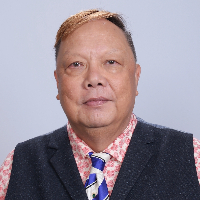
About Manuel
Dr. Manuel Evangelista welcomes people who are feeling overwhelmed by stress or anxiety and want practical help. He is a Licensed Clinical Social Worker (LCSW) with 21 years of experience and practices in Utah.
He writes plainly and stays focused on what someone needs now rather than long theory talks. He uses straightforward conversation and mindfulness to help people notice what matters to them. Sessions emphasize acceptance, values, and small changes that reduce daily distress.
Background and approach
He draws on cognitive and behavioral ideas to interrupt unhelpful patterns and build useful skills. His background blends social work training with contemplative practices. He describes an approach influenced by eastern healing traditions, neuroscience, and humanistic care.
That mix shapes how he talks about trauma, loss, identity, and life transitions. Dr. Evangelista says that accepting painful feelings is often part of healing.
He offers ways to tolerate distress while pursuing meaningful goals. He can coordinate with prescribers about medication when that is helpful. People seeking help for issues such as depression, bipolar concerns, ADHD, addictions, grief, or relationship stress may find his approach relevant.
He also notes experience with gender dysphoria, multicultural concerns, obsessions and compulsions, personality challenges, phobias, and seasonal mood shifts. The focus in sessions is on learning skills, finding meaning, and managing everyday life.
Approaches that translate well to online therapy
Acceptance and Commitment Therapy focuses on noticing thoughts and feelings without getting stuck in them, then choosing actions that match personal values; it helps with anxiety, depression, and stress. Cognitive Behavioral Therapy looks at the links between thoughts, feelings, and behaviors and teaches practical skills to change patterns that cause distress. Mindfulness Therapy teaches attention practices and simple exercises to reduce reactivity and improve emotional regulation.Finding the right approach is part of the work together. The therapist will listen to a client's needs, goals, and preferences and suggest which methods to try first. That shared decision lets the plan change as progress is made and new priorities appear.
Online sessions can be done by video call, phone, live chat, or text-based messaging to fit different days and routines. Video works well for face-to-face conversation and skill demonstrations. Phone sessions are useful when bandwidth is limited or a simpler check-in is needed. Live chat and text messaging allow shorter check-ins and ongoing support between longer sessions, which can help keep tools active in daily life.
Questions people ask
What kinds of concerns does he help with?
What is his general therapy style?
How much experience does he have?
Where is he licensed and based?
Which languages are offered for sessions?
Can people outside the U.S. work with him?
What session formats are available?
How do I get started with therapy?
What this therapist works with
Most often
- Stress, Anxiety
- Family conflicts
- Bipolar disorder
Also listed
- Addictions
- ADHD
- Anger management
- Career difficulties
- Compassion fatigue
- Coping with life changes
- Depression
- Eating disorders
- Gender dysphoria
- Grief
- Intimacy-related issues
- LGBT
- Multicultural concerns
- Obsessions, compulsions, and OCD
- Parenting issues
- Personality disorders
- Phobias
- Relationship issues
- Seasonal Affective Disorder (SAD)
- Self esteem
- Sleeping disorders
- Trauma and abuse
Therapeutic approaches
- Experience
- 21 years
- Licensed
- Utah, Arizona
- Languages
- English
We will earn a commission if you sign up through our link, at no cost to you.