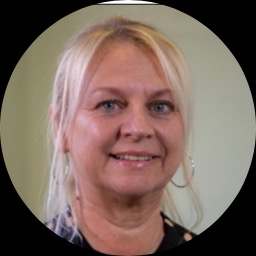
About Michele
Michele Findley is a counsellor based in the United Kingdom who focuses on helping people manage stress and anxiety. She works in a direct and respectful way, listening to what matters to each person and helping them find ways forward that feel realistic.
Michele uses everyday language and practical steps so conversations are easy to follow on a phone or during a short break. She draws on seven years of experience and is registered with the British Association for Counselling and Psychotherapy, BACP.
Background and approach
Michele tailors sessions to each person's needs and aims to make therapy feel collaborative rather than prescriptive. She pays attention to how past hurts, attachment patterns and current thinking all shape day-to-day life. In sessions Michele may use techniques from cognitive behavioural therapy to challenge unhelpful thoughts.
She also works with Acceptance and Commitment Therapy ideas to help people accept difficult feelings while taking steps that match their values. Emotionally-Focused and Attachment-Based approaches inform her work where relationships and attachment wounds are part of the story. Michele describes herself as neurodivergent-affirming and takes a sensitive approach to identity, diversity and difference.
She has supported people coping with grief, trauma and abuse, low self-worth, addiction, sleep and eating difficulties, and long-term health conditions. Her aim is to help clients develop practical skills and clearer goals. Conversations include short-term problem work and longer-term exploration depending on what a person wants.
Michele provides options such as video calls, phone sessions, live chat and text-based messaging to fit different routines and needs.
Therapy approaches and online options that fit your life
Many of Michele's sessions draw on cognitive behavioural therapy, which looks at the links between thoughts, feelings and actions and teaches practical skills to manage worry and low mood. Acceptance and Commitment Therapy, ACT, is also used to help people notice difficult feelings without getting stuck and to take steps that matter to them.Michele uses attachment-based and emotionally focused ideas when relationship patterns or past attachment wounds are affecting everyday life. These approaches focus on understanding how early bonds shape expectations and feelings in current relationships and work to build safer ways of connecting.
Choosing the right approach is part of the work. Michele will collaborate with each person to find what feels most helpful based on needs, goals and preferences. She often blends elements from different methods and reviews progress together so the plan reflects what actually helps.
Online therapy offers flexibility that suits different routines. Video calls let people read facial cues and recreate a therapy conversation at a distance. Phone sessions can be lower bandwidth and easier to fit into a lunch break. Live chat or text-based messaging can be used for brief check-ins, ongoing reflection or when typing feels more comfortable. These options allow regular contact without travel and make it simpler to work around work, family or health commitments.
Questions people ask
What concerns can Michele help with?
How would she approach therapy?
What is her clinical background?
What credentials and location are listed?
Which languages and international options are supported?
What session formats are available?
How is cost handled?
How do I begin working with her?
What this therapist works with
Most often
Also listed
- Abandonment
- Addictions
- ADHD
- Adoption and foster care
- Aging and geriatric issues
- Anger management
- Antisocial personality
- Attachment issues
- Autism and Asperger Syndrome
- Avoidant personality
- Bipolar disorder
- Blended family issues
- Body image
- Cancer
- Career difficulties
- Caregiver issues and stress
- Chronic pain, illness, and disability
- Co-morbidity
- Coaching
- Codependency
- Commitment issues
- Communication problems
- Compassion fatigue
- Control issues
- Coping with life changes
- Coping with natural or human-caused disaster
- Dependent personality
- Depression
- Disruptive Mood Dysregulation Disorder (DMDD)
- Dissociation
- Divorce and separation
- Domestic violence
- Drug and alcohol addiction
- Eating and food-related issues
- Eating disorders
- Emptiness
- Family conflicts
- Family of origin issues
- Family problems
- Fatherhood issues
- Fertility issues
- First responder issues
- Forgiveness
- Gender dysphoria
- Guilt and shame
- Hoarding
- Hospice and end-of-life counseling
- Impulsivity
- Infidelity
- Intimacy-related issues
- Isolation / loneliness
- Jealousy
- LGBT
- Life purpose
- Men's issues
- Midlife crisis
- Money and financial issues
- Mood disorders
- Narcissism
- Obsessions, compulsions, and OCD
- Panic disorder and panic attacks
- Paranoia
- Parenting issues
- Personality disorders
- Phobias
- Polyamory / non-monogamous relationships
- Post-traumatic stress
- Postpartum depression
- Pregnancy and childbirth
- Process addiction (porn, exercise, gambling)
- Relationship issues
- Seasonal Affective Disorder (SAD)
- Self esteem
- Self-harm
- Self-love
- Sex addiction
- Sexual assault and abuse
- Sexual dysfunction
- Sexuality
- Sleeping disorders
- Smoking / vaping cessation
- Social anxiety and phobia
- Somatization
- Traumatic brain injury
- Veteran and Armed Forces Issues
- Women's issues
- Workplace issues
- Young adult issues
Therapeutic approaches
- Acceptance and Commitment Therapy (ACT)
- Attachment-Based Therapy
- Client-Centered Therapy
- Cognitive Behavioral Therapy (CBT)
- Emotionally-Focused Therapy (EFT)
- Existential Therapy
- Eye Movement Desensitization and Reprocessing (EMDR)
- Imago Relationship Therapy
- Jungian Therapy
- Mindfulness Therapy
- Narrative Therapy
- Solution-Focused Therapy
- Somatic Therapy
- Trauma-Focused Therapy
- Internal Family Systems
- Systemic Therapy
- Experience
- 7 years
- Licensed
- Languages
- English
We will earn a commission if you sign up through our link, at no cost to you.