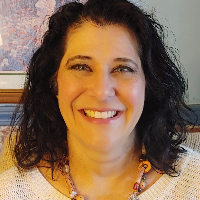
About Nancy
Dr. Nancy Kenyon Richardson welcomes people who are feeling stuck by anxiety, stress, grief, or struggles with substance use. She introduces herself simply as Dr.
Nancy and helps people take practical steps toward feeling steadier. Her tone is direct and caring, aimed at people ready to try change. She holds a master’s degree in psychology with a counseling focus and a Ph.D. in psychology with a concentration in addiction.
Her doctoral research looked at recovery after medication-assisted treatment for opioid use and led to ideas about long-term recovery pathways.
Background and approach
She practices as an LCMHC, which stands for Licensed Clinical Mental Health Counselor. Her work often includes clear education about how trauma affects the brain. She explains why people repeat patterns they want to stop and helps them identify the specific “hooks” from their past.
That makes it easier to pick concrete steps for change. Dr. Nancy uses a mix of approaches depending on what a person needs.
She draws on client-centered methods to follow each person’s lead, and she uses cognitive strategies to change unhelpful thoughts and behaviors. She also works with skills from dialectical behavior therapy and can include eye movement desensitization and reprocessing when trauma memories are a focus. She brings about a decade of clinical experience and a long personal connection to Vermont life.
Outside work she enjoys travel and is navigating the transition to an emptier household as her children move toward adulthood. She views therapy as a collaborative journey and aims to help people move forward with practical, understandable steps.
How therapeutic approaches translate to online care
Client-centered therapy means the therapist follows each person's priorities and pace. In online sessions this looks like listening closely, reflecting what matters most, and shaping sessions around personal goals rather than a fixed agenda.Cognitive Behavioral Therapy, or CBT, focuses on changing unhelpful thoughts and behaviors. Online CBT often uses short exercises, thought logs, and practical homework that can be reviewed in video or text sessions to reduce anxiety and improve daily routines.
Dialectical Behavior Therapy, or DBT, teaches skills for managing strong emotions and improving relationships. In remote work this can include practicing grounding and emotion-regulation techniques during calls, or reviewing skill worksheets over chat or text.
Finding the right approach is part of the work together. The therapist will talk with each person about goals and preferences, then recommend a mix of methods that fits those needs. That decision is collaborative and can change as progress is made.
Online therapy offers flexibility for different schedules and comfort levels. Video calls allow face-to-face interaction, phone sessions can be easier when bandwidth is limited, and live chat or text messaging can suit quick check-ins or times when typing feels simpler. These options let people keep consistent care while fitting therapy into busy lives.
Questions people ask
What kinds of concerns does she address?
What is her general approach to therapy?
How long has she been practicing?
Where is she licensed and based?
Which languages are offered for sessions?
What session formats are available?
How does payment and cost work?
How do I begin if I want to try therapy?
What this therapist works with
Most often
- Addictions
- Relationship issues
- Trauma and abuse
Also listed
- Abandonment
- ADHD
- Adoption and foster care
- Anger management
- Antisocial personality
- Attachment issues
- Autism and Asperger Syndrome
- Avoidant personality
- Bipolar disorder
- Blended family issues
- Body image
- Caregiver issues and stress
- Chronic pain, illness, and disability
- Co-morbidity
- Codependency
- Communication problems
- Compassion fatigue
- Control issues
- Coping with life changes
- Coping with natural or human-caused disaster
- Dependent personality
- Depression
- Disruptive Mood Dysregulation Disorder (DMDD)
- Dissociation
- Divorce and separation
- Domestic violence
- Drug and alcohol addiction
- Eating disorders
- Family conflicts
- Family of origin issues
- Family problems
- Forgiveness
- Gender dysphoria
- Grief
- Guilt and shame
- Hospice and end-of-life counseling
- Impulsivity
- Infidelity
- Intimacy-related issues
- LGBT
- Mood disorders
- Multicultural concerns
- Narcissism
- Obsessions, compulsions, and OCD
- Panic disorder and panic attacks
- Paranoia
- Parenting issues
- Personality disorders
- Phobias
- Post-traumatic stress
- Postpartum depression
- Pregnancy and childbirth
- Prejudice and discrimination
- Seasonal Affective Disorder (SAD)
- Self esteem
- Self-harm
- Self-love
- Sexual assault and abuse
- Sexuality
- Stress, Anxiety
- Women's issues
- Young adult issues
Therapeutic approaches
- Experience
- 10 years
- Licensed
- Vermont
- Languages
- English
We will earn a commission if you sign up through our link, at no cost to you.