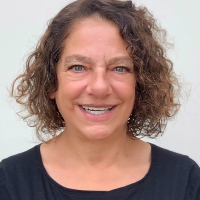
About Emily
Emily Salkever-Scott is a Licensed Professional Counselor (LPC) who works from a hopeful, person-centered stance. She uses straightforward, practical methods to help people manage anxiety and other concerns. Her approach focuses on what each person wants to get out of therapy and how to move toward those goals.
She describes her work as trauma-informed and draws on several evidence-based approaches. Sessions often include tools from cognitive behavioral therapy to address unhelpful thinking and from dialectical behavior therapy to build coping skills.
Background and approach
Attachment-focused ideas guide conversations about trust and closeness in relationships. Emily has seven years of experience in the field. That background includes supporting people through grief, transitions, stress, and addictive behaviors.
She also helps with self-esteem, parenting strain, sleep problems, and career-related stress. Her style is positive and person-centered. She listens and then helps clients choose practical steps to try between sessions.
Clients can expect straightforward suggestions, skill-building, and attention to the goals they name. Emily offers sessions in English and works with people across New Hampshire and internationally. She provides video calls, phone sessions, live chat, and text-based messaging.
The therapy subscription can be canceled at any time and scheduling follows the site process.
Therapeutic approaches and how they work online
Emily draws on cognitive behavioral therapy and attachment-based ideas to guide online sessions. Cognitive behavioral therapy focuses on identifying unhelpful thoughts and testing different actions to reduce anxiety and mood symptoms. Attachment-based work looks at patterns of trust and connection, helping people change how they relate to others and rebuild closeness.Finding the right approach is part of the work. Emily collaborates with each person to choose methods that fit their goals and preferences. She checks in about what is helping and adjusts the plan if needed so therapy stays practical and focused on the client's priorities.
Offering video calls, phone sessions, live chat, and text-based messaging makes therapy easier to fit into a busy life. Video sessions let people read facial cues and practice new conversations. Phone sessions or live chat can be easier when bandwidth is limited or a shorter check-in is needed. Text messaging and asynchronous chat support quick skill reminders and brief reflections between sessions, helping carry progress into daily life.
Questions people ask
What concerns does Emily commonly address?
How would you describe her therapeutic style?
What is her professional background?
Where is she based and what credentials does she hold?
Can sessions be conducted in languages other than English?
What session formats are available?
How are costs handled for sessions?
How do I begin working with her?
What this therapist works with
Also listed
- Abandonment
- Addictions
- ADHD
- Adoption and foster care
- Aging and geriatric issues
- Anger management
- Antisocial personality
- Attachment issues
- Autism and Asperger Syndrome
- Bipolar disorder
- Blended family issues
- Body image
- Career difficulties
- Caregiver issues and stress
- Coaching
- Commitment issues
- Communication problems
- Compassion fatigue
- Coping with life changes
- Coping with natural or human-caused disaster
- Depression
- Dissociation
- Divorce and separation
- Drug and alcohol addiction
- Emptiness
- Family conflicts
- Family of origin issues
- Family problems
- First responder issues
- Forgiveness
- Gender dysphoria
- Guilt and shame
- Hearing impaired
- HIV / AIDS
- Hoarding
- Hospice and end-of-life counseling
- Immigration issues
- Infidelity
- Intellectual disability
- Isolation / loneliness
- Jealousy
- LGBT
- Life purpose
- Men's issues
- Midlife crisis
- Mood disorders
- Multicultural concerns
- Obsessions, compulsions, and OCD
- Panic disorder and panic attacks
- Paranoia
- Parenting issues
- Personality disorders
- Phobias
- Polyamory / non-monogamous relationships
- Post-traumatic stress
- Postpartum depression
- Prejudice and discrimination
- Process addiction (porn, exercise, gambling)
- Relationship issues
- Seasonal Affective Disorder (SAD)
- Self esteem
- Self-love
- Sexuality
- Sleeping disorders
- Stress, Anxiety
- Veteran and Armed Forces Issues
- Visually impaired
- Women's issues
- Workplace issues
- Young adult issues
Therapeutic approaches
- Acceptance and Commitment Therapy (ACT)
- Attachment-Based Therapy
- Client-Centered Therapy
- Cognitive Behavioral Therapy (CBT)
- Dialectical Behavior Therapy (DBT)
- Emotionally-Focused Therapy (EFT)
- Eye Movement Desensitization and Reprocessing (EMDR)
- Mindfulness Therapy
- Motivational Interviewing
- Narrative Therapy
- Solution-Focused Therapy
- Trauma-Focused Therapy
- Internal Family Systems
- Experience
- 7 years
- Licensed
- Pennsylvania, New Hampshire
- Languages
- English
We will earn a commission if you sign up through our link, at no cost to you.