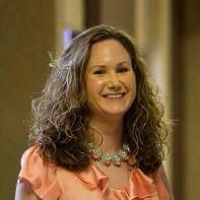
About Tricia
Tricia Walsh is a licensed clinical social worker with ten years of experience supporting people in Florida who are coping with stress, anxiety, depression, trauma, and medical or life changes. She emphasizes a warm, collaborative relationship as the foundation for change. Tricia focuses on practical steps people can use right away to feel steadier and more confident.
She works with a wide range of concerns including grief, compassion fatigue, addictions, relationship and intimacy issues, anger, self-esteem, and career transitions.
Background and approach
Her approach is also applied when people face chronic illness, caregiving strain, ADHD, or identity-related stress. Tricia aims to help people name what feels hard, notice patterns, and build small daily routines that make a difference. In sessions she combines approaches that suit each person’s needs.
She uses methods that teach skills for managing distress, clarify values, and strengthen emotional connection. Tricia stays practical and straightforward while keeping the conversation focused on the goals the person brings. Her style is collaborative and respectful; she partners with people to craft clear, achievable steps.
Sessions are aimed at helping people develop tools they can use outside the therapy hour. Tricia supports people who want to change old patterns, process difficult experiences, or find steadier ways to cope. People who choose her often want a therapist who listens closely and offers concrete strategies.
Tricia works to create a steady pace that fits each person’s life and capacity.
Therapeutic approaches for online care
Acceptance and Commitment Therapy, or ACT, helps people clarify what matters to them and take small consistent steps toward those values while learning to tolerate difficult feelings. Cognitive Behavioral Therapy, or CBT, focuses on identifying unhelpful thoughts and testing them with practical experiments to reduce anxiety and improve mood. Emotionally-Focused Therapy emphasizes recognizing and naming emotions and then using that awareness to improve how people relate to themselves and to others.Finding the best approach is part of the work together. The therapist will talk with each person about goals, preferences, and what has helped or not helped in the past. That conversation guides which methods are used and how sessions are structured, and adjustments are made over time based on progress and feedback.
Online sessions are available as video calls, phone sessions, live chat, or text-based messaging to fit different schedules and needs. Video is useful for deeper conversations and teaching skills, phone sessions can be a simpler option when bandwidth is limited, and live chat or text messaging work well for brief check-ins or ongoing support between appointments. These options aim to make it easier to access care while balancing work, family, and other commitments.
Questions people ask
What concerns does she address?
What is her therapy style like?
How much experience does she have?
What are her credentials and where is she based?
Which languages are supported?
What session formats are available?
How are sessions paid for?
How do I begin working with her?
What this therapist works with
Most often
Also listed
- Abandonment
- Addictions
- ADHD
- Aging and geriatric issues
- Anger management
- Antisocial personality
- Attachment issues
- Autism and Asperger Syndrome
- Avoidant personality
- Bipolar disorder
- Blended family issues
- Body image
- Cancer
- Career difficulties
- Caregiver issues and stress
- Chronic pain, illness, and disability
- Co-morbidity
- Coaching
- Codependency
- Commitment issues
- Communication problems
- Compassion fatigue
- Control issues
- Coping with life changes
- Coping with natural or human-caused disaster
- Dependent personality
- Depression
- Disruptive Mood Dysregulation Disorder (DMDD)
- Dissociation
- Divorce and separation
- Domestic violence
- Drug and alcohol addiction
- Eating and food-related issues
- Emptiness
- Family conflicts
- Family of origin issues
- Family problems
- Fatherhood issues
- First responder issues
- Forgiveness
- Gender dysphoria
- Grief
- Guilt and shame
- Hearing impaired
- HIV / AIDS
- Hoarding
- Hospice and end-of-life counseling
- Immigration issues
- Impulsivity
- Infidelity
- Intellectual disability
- Intimacy-related issues
- Isolation / loneliness
- Jealousy
- Life purpose
- Men's issues
- Midlife crisis
- Money and financial issues
- Mood disorders
- Multicultural concerns
- Narcissism
- Obsessions, compulsions, and OCD
- Panic disorder and panic attacks
- Paranoia
- Personality disorders
- Phobias
- Post-traumatic stress
- Postpartum depression
- Prejudice and discrimination
- Process addiction (porn, exercise, gambling)
- Relationship issues
- Seasonal Affective Disorder (SAD)
- Self esteem
- Self-harm
- Self-love
- Sex addiction
- Sexual assault and abuse
- Sexual dysfunction
- Sexuality
- Smoking / vaping cessation
- Social anxiety and phobia
- Somatization
- Traumatic brain injury
- Veteran and Armed Forces Issues
- Visually impaired
- Women's issues
- Workplace issues
- Young adult issues
Therapeutic approaches
- Acceptance and Commitment Therapy (ACT)
- Client-Centered Therapy
- Cognitive Behavioral Therapy (CBT)
- Dialectical Behavior Therapy (DBT)
- Emotionally-Focused Therapy (EFT)
- Existential Therapy
- Eye Movement Desensitization and Reprocessing (EMDR)
- Mindfulness Therapy
- Motivational Interviewing
- Narrative Therapy
- Psychodynamic Therapy
- Solution-Focused Therapy
- Trauma-Focused Therapy
- Experience
- 10 years
- Licensed
- Florida
- Languages
- English
We will earn a commission if you sign up through our link, at no cost to you.