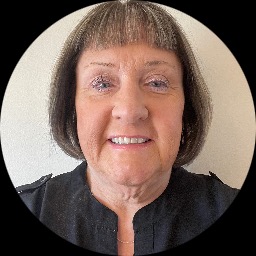
About Stephanie
Stephanie Sligo-Baker is a licensed independent clinical social worker with 37 years of experience in Minnesota. She focuses on practical help for people coping with stress and anxiety, trauma and abuse, relationship concerns, grief, and life changes. Her style is respectful and down-to-earth, aimed at making the first steps feel manageable.
She uses simple, person-centered conversations to find what matters to each person. Sessions are shaped around the client rather than a fixed script.
Background and approach
Stephanie listens for patterns that cause pain and looks for small changes that can make daily life easier. Her background includes longtime work with people exposed to workplace trauma, including first responders and healthcare staff. She draws on a mix of approaches to address symptoms like worry, low mood, sleep problems, and anger.
The goal is to reduce distress and restore routines that support wellbeing. Stephanie blends attachment-based ideas with cognitive and skills-focused methods. That helps people understand how relationships affect emotions and then practice concrete coping strategies.
She also uses client-centered and existential perspectives to help people clarify values and make meaningful choices. People who benefit from her approach are often looking for steady, experienced guidance and practical tools. Stephanie tailors pacing and techniques to each person, and she encourages realistic progress over time.
Starting therapy is framed as a step-by-step process rather than a single fix.
How therapeutic approaches translate to online work
Attachment-based work looks at how relationships shape feelings and reactions. Online sessions can help someone notice attachment patterns, practice different responses, and try new communication in real time. Cognitive Behavioral Therapy, or CBT, focuses on spotting unhelpful thoughts and changing behaviors. In an online format this often means identifying specific thought patterns, setting small practice tasks between sessions, and checking progress over video or messaging. Dialectical Behavior Therapy, or DBT, teaches emotion regulation, distress tolerance, and interpersonal skills. These skills are well suited to online practice because they involve clear steps and exercises that can be reviewed during a call or via messages.Finding the right blend of approaches is part of the work. The therapist will collaborate with each person to decide which ideas and techniques fit their goals and daily life. That collaborative process includes trying out tools and adjusting pace according to how the client responds.
Online formats offer practical flexibility. Video calls let the therapist observe tone and expression, phone sessions work when bandwidth is limited, live chat supports short check-ins, and text-based messaging makes it easy to share progress or brief updates between meetings. These options make it easier to fit therapy into work breaks, caregiving schedules, or busy days while keeping the focus on steady, usable progress.
Questions people ask
What concerns does she address most often?
How would you describe her therapeutic style?
What is her professional background?
What are her credentials and where is she located?
Which languages are supported for sessions?
What session formats does she offer online?
How does payment and cost work?
What steps are involved to begin working together?
What this therapist works with
Most often
Also listed
- Abandonment
- Addictions
- ADHD
- Aging and geriatric issues
- Anger management
- Attachment issues
- Autism and Asperger Syndrome
- Avoidant personality
- BDSM, kink, and alternative sex culture
- Bipolar disorder
- Blended family issues
- Body image
- Cancer
- Career difficulties
- Caregiver issues and stress
- Chronic pain, illness, and disability
- Co-morbidity
- Codependency
- Commitment issues
- Communication problems
- Compassion fatigue
- Control issues
- Coping with life changes
- Coping with natural or human-caused disaster
- Dependent personality
- Depression
- Disruptive Mood Dysregulation Disorder (DMDD)
- Dissociation
- Divorce and separation
- Domestic violence
- Drug and alcohol addiction
- Eating and food-related issues
- Eating disorders
- Emptiness
- Family conflicts
- Family of origin issues
- Family problems
- Fertility issues
- First responder issues
- Forgiveness
- Gender dysphoria
- Grief
- Guilt and shame
- HIV / AIDS
- Hoarding
- Hospice and end-of-life counseling
- Impulsivity
- Infidelity
- Intellectual disability
- Intimacy-related issues
- Isolation / loneliness
- Jealousy
- Life purpose
- Midlife crisis
- Money and financial issues
- Mood disorders
- Narcissism
- Obsessions, compulsions, and OCD
- Panic disorder and panic attacks
- Paranoia
- Personality disorders
- Phobias
- Polyamory / non-monogamous relationships
- Post-traumatic stress
- Postpartum depression
- Pregnancy and childbirth
- Relationship issues
- Seasonal Affective Disorder (SAD)
- Self esteem
- Self-harm
- Self-love
- Sexual assault and abuse
- Sexuality
- Sleeping disorders
- Social anxiety and phobia
- Somatization
- Traumatic brain injury
- Veteran and Armed Forces Issues
- Women's issues
- Workplace issues
- Young adult issues
Therapeutic approaches
- Experience
- 37 years
- Licensed
- Minnesota
- Languages
- English
We will earn a commission if you sign up through our link, at no cost to you.