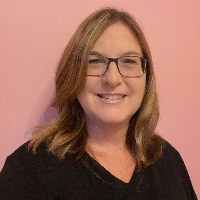
About Darlene
Darlene Mayers is a Licensed Marriage and Family Therapist (LMFT) based in Florida with 26 years of experience. She focuses on practical support for people coping with anxiety, stress, depression, addictions, and grief. Her way of working is warm and interactive, aimed at helping clients find clear steps forward.
She uses a mix of approaches like Client-Centered Therapy, Cognitive Behavioral Therapy, Dialectical Behavior Therapy, and mindfulness tools. Sessions tend to focus on understanding what is happening now, identifying unhelpful patterns, and trying small changes that can ease symptoms.
Background and approach
She also brings motivational interviewing techniques to help with substance use and other behavior changes. Her background includes a Bachelor of Science in Psychology from Palm Beach Atlantic University and a Master of Science in Marriage and Family Therapy from Nova Southeastern University.
Over two decades in clinical work have included supporting people with trauma and mood disorders, as well as those facing career and relationship stressors. The LMFT credential indicates licensure in Florida. In sessions she aims to be compassionate, respectful, and hands-on.
Clients can expect a collaborative plan, with tools drawn from different methods to fit their goals. Darlene also offers life coaching alongside therapy when that better matches a person’s needs. Her practice addresses many concerns linked to everyday life changes, including parenting strain, communication problems, self-esteem, and coping with chronic illness.
She conducts appointments in English and does not take international clients.
How Darlene uses therapeutic approaches online
Darlene often draws on Cognitive Behavioral Therapy to help people identify unhelpful thoughts and try different behaviors. CBT is practical and structured, which can be useful for anxiety, panic, and mood shifts. She also uses Client-Centered Therapy, which focuses on listening, validation, and shaping the work around the person's goals and values.Choosing an approach is a collaborative process. The therapist will talk about goals, try different tools, and adjust methods based on what feels helpful. If a person needs skills for emotional regulation, elements of Dialectical Behavior Therapy can be added alongside CBT and client-centered work to address intense emotions and improve coping.
Online therapy gives flexibility for different life rhythms. Video calls allow face-to-face conversation and visual cues. Phone sessions can be shorter check-ins or easier when bandwidth is limited. Live chat and text-based messaging work well for brief updates, homework, or when writing feels more comfortable. These options make it easier to fit therapy into work, caregiving, or busy schedules while still using CBT, mindfulness, and motivational techniques in session.
Questions people ask
What concerns does she help with?
What is her therapeutic style?
How much experience does she have?
What are her credentials and location?
Which languages are supported?
What session formats are available?
How are costs handled?
How do I get started?
What this therapist works with
Most often
- Stress, Anxiety
- Addictions
- Family conflicts
Also listed
- Abandonment
- ADHD
- Adoption and foster care
- Aging and geriatric issues
- Anger management
- Antisocial personality
- Attachment issues
- Avoidant personality
- Bipolar disorder
- Blended family issues
- Body image
- Cancer
- Career difficulties
- Caregiver issues and stress
- Chronic pain, illness, and disability
- Co-morbidity
- Codependency
- Commitment issues
- Communication problems
- Compassion fatigue
- Control issues
- Coping with life changes
- Coping with natural or human-caused disaster
- Dependent personality
- Depression
- Disruptive Mood Dysregulation Disorder (DMDD)
- Dissociation
- Divorce and separation
- Drug and alcohol addiction
- Emptiness
- Family of origin issues
- Family problems
- Fatherhood issues
- First responder issues
- Forgiveness
- Gender dysphoria
- Grief
- Guilt and shame
- HIV / AIDS
- Hoarding
- Hospice and end-of-life counseling
- Impulsivity
- Infidelity
- Intimacy-related issues
- Isolation / loneliness
- Jealousy
- LGBT
- Life purpose
- Midlife crisis
- Mood disorders
- Multicultural concerns
- Narcissism
- Obsessions, compulsions, and OCD
- Panic disorder and panic attacks
- Paranoia
- Parenting issues
- Personality disorders
- Phobias
- Post-traumatic stress
- Postpartum depression
- Pregnancy and childbirth
- Process addiction (porn, exercise, gambling)
- Relationship issues
- Seasonal Affective Disorder (SAD)
- Self esteem
- Self-harm
- Self-love
- Sexual assault and abuse
- Sexuality
- Social anxiety and phobia
- Somatization
- Trauma and abuse
- Traumatic brain injury
- Trichotillomania
- Veteran and Armed Forces Issues
- Women's issues
- Workplace issues
- Young adult issues
Therapeutic approaches
- Experience
- 26 years
- Licensed
- Florida
- Languages
- English
We will earn a commission if you sign up through our link, at no cost to you.