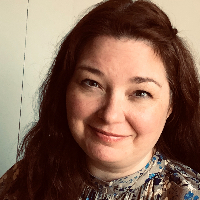
About Amy
Amy Klein is a Licensed Master Social Worker and Licensed Independent Clinical Social Worker with 14 years of clinical experience. She combines practical tools with reflective practices to help people manage stress and anxiety. Her approach is grounded, direct, and attentive to each person’s story.
Amy draws on a wide range of life and work experiences. She began in community service as a VISTA volunteer and completed a Bachelor of Social Work at Wayne State University.
Background and approach
Later she served in the Peace Corps in Kingston, Jamaica as a youth-at-risk volunteer and completed a Master of Social Work at Western Michigan University. This varied background informs how she listens and responds.
Across her career she has worked in many settings including in-home family programs connected to child protective services, a Native tribe, a medium-security prison, rural schools, and a medical clinic. These roles shaped her practical interventions and her comfort with complex life situations. She combines evidence-based methods with creative practices to meet real needs.
Her methods include Acceptance and Commitment Therapy, cognitive behavioral techniques, Client-Centered therapy, Jungian ideas, and mindfulness practices. She also integrates movement, breathing, storytelling, art, and humor when helpful to support change and healing. That mix aims to help people reconnect with their values and inner compass.
Amy lives in Michigan near Lake Michigan and spends time outdoors when she can. She teaches yoga and practices reiki and Native Tradition, and these practices influence how she holds space in sessions.
Therapeutic approaches for online anxiety and stress work
Amy commonly uses Acceptance and Commitment Therapy, which focuses on clarifying personal values and taking committed action despite uncomfortable thoughts or feelings. ACT can help people who feel stuck because of worry or avoidance. She also draws from Cognitive Behavioral Therapy, which looks at patterns of thinking and behavior and teaches concrete skills to shift them. CBT is often used for anxiety, stress, and mood challenges. Additionally she incorporates Client-Centered Therapy, offering active listening and support so people feel heard while they decide what changes they want to make.Choosing the best approach is a collaborative process. During early sessions she will discuss goals, preferences, and what feels most useful. Together the therapist and client experiment with methods and adjust the plan based on what helps in day-to-day life.
Online sessions are offered by video calls, phone sessions, live chat, or text-based messaging to fit different routines. Video calls allow face-to-face interaction and shared visual cues. Phone sessions can work when bandwidth is limited or a person prefers not to use video. Live chat and text messaging are useful for brief check-ins, skill practice, or when a written back-and-forth fits a schedule. These options make it easier to fit therapy into work, school, or caregiving days while maintaining continuity of care.
Questions people ask
What concerns does Amy address in sessions?
What is her general therapy style?
How much clinical experience does she have?
What credentials does she hold and where is she located?
Are sessions available in other languages or for international clients?
Which session formats are offered?
How does billing and cost work?
What is the first step to begin therapy?
What this therapist works with
Most often
- Stress, Anxiety
- Addictions
- Family conflicts
Also listed
- Abandonment
- ADHD
- Adoption and foster care
- Aging and geriatric issues
- Anger management
- Antisocial personality
- Attachment issues
- Autism and Asperger Syndrome
- Avoidant personality
- Bipolar disorder
- Blended family issues
- Body image
- Cancer
- Career difficulties
- Caregiver issues and stress
- Chronic pain, illness, and disability
- Co-morbidity
- Codependency
- Commitment issues
- Communication problems
- Compassion fatigue
- Control issues
- Coping with life changes
- Coping with natural or human-caused disaster
- Dependent personality
- Depression
- Disruptive Mood Dysregulation Disorder (DMDD)
- Dissociation
- Divorce and separation
- Domestic violence
- Drug and alcohol addiction
- Eating and food-related issues
- Eating disorders
- Emptiness
- Family of origin issues
- Family problems
- Fatherhood issues
- Fertility issues
- First responder issues
- Forgiveness
- Gender dysphoria
- Grief
- Guilt and shame
- HIV / AIDS
- Hoarding
- Hospice and end-of-life counseling
- Immigration issues
- Impulsivity
- Infidelity
- Intimacy-related issues
- Isolation / loneliness
- Jealousy
- Life purpose
- Men's issues
- Midlife crisis
- Money and financial issues
- Mood disorders
- Multicultural concerns
- Narcissism
- Obsessions, compulsions, and OCD
- Panic disorder and panic attacks
- Paranoia
- Parenting issues
- Personality disorders
- Phobias
- Polyamory / non-monogamous relationships
- Post-traumatic stress
- Postpartum depression
- Pregnancy and childbirth
- Prejudice and discrimination
- Process addiction (porn, exercise, gambling)
- Seasonal Affective Disorder (SAD)
- Self esteem
- Self-harm
- Self-love
- Sex addiction
- Sexual assault and abuse
- Sexual dysfunction
- Sexuality
- Smoking / vaping cessation
- Social anxiety and phobia
- Somatization
- Trauma and abuse
- Traumatic brain injury
- Trichotillomania
- Veteran and Armed Forces Issues
- Visually impaired
- Women's issues
- Workplace issues
- Young adult issues
Therapeutic approaches
- Experience
- 14 years
- Licensed
- Michigan, Washington
- Languages
- English
We will earn a commission if you sign up through our link, at no cost to you.