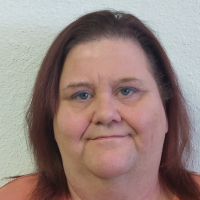
About Pamela
Pamela Rowell is a Licensed Professional Counselor (LPC) based in Texas who focuses on helping people manage anxiety and related concerns. She writes and speaks plainly, and aims to create a calm, respectful space where clients can talk about what feels hard. Pamela's approach is direct but warm, and she centers each session on the person in front of her.
With nine years of experience, Pamela blends several therapeutic methods to fit each person's needs.
Background and approach
She draws from cognitive behavioral ideas to help people notice and change unhelpful thinking and behavior. She also uses attachment-based and emotionally focused ideas when relationship patterns and closeness are part of the issue. Mindfulness techniques are offered to help manage stress and intense emotions.
Pamela has supported people with a wide range of concerns including stress, trauma and abuse, grief, depression, ADHD, addiction, and relationship and intimacy-related difficulties. She also works with career strain, parenting stress, caregiver fatigue, chronic illness issues, and self-esteem struggles. These areas shape the kinds of strategies she offers in sessions.
Her style is strengths-focused and goal-oriented. Pamela helps people set clear, realistic goals and practices skills during sessions that can be used between meetings. She explains concepts in everyday language and checks in often to make sure the plan is helpful.
Clients typically meet by video, phone, live chat, or text-based messaging. Pamela supports international clients and adjusts scheduling and format to fit individual needs.
How Pamela’s approaches translate to online care
Attachment-based work looks at how early patterns of connection shape current relationships and emotional responses. Online sessions can support this work by reviewing relationship patterns, practicing new ways of relating, and naming emotional responses as they come up during discussion. Cognitive behavioral therapy (CBT) focuses on the links between thoughts, feelings, and actions. It involves identifying unhelpful thoughts, testing them, and practicing alternative behaviors. CBT is often used for anxiety, depression, and stress and adapts well to teaching practical skills over video or messaging. Mindfulness practices help people notice and tolerate uncomfortable feelings without reacting immediately. These techniques can be practiced together in session and then used between meetings to reduce reactivity and increase emotional regulation. Finding the right mix of approaches is part of the work. Pamela will collaborate with clients to identify which methods match their goals, needs, and preferences. She checks in regularly and adjusts the plan so sessions stay relevant and useful. Online formats offer practical benefits for many people. Video calls let therapists and clients use visual cues during conversation. Phone sessions can be easier when bandwidth is limited or when someone prefers not to be on camera. Live chat and text-based messaging work well for brief check-ins, shorter skill practice, or when a written exchange fits a busy day. These options make it easier to fit therapy into a varied schedule while keeping the focus on skill building and progress.Questions people ask
What kinds of concerns does Pamela address?
How would you describe her therapy style?
What is her professional background?
Where is she licensed and based?
Which languages are sessions offered in?
What session formats are available?
How are costs and billing handled?
What are the first steps to begin working together?
What this therapist works with
Most often
Also listed
- Abandonment
- Addictions
- ADHD
- Aging and geriatric issues
- Anger management
- Antisocial personality
- Attachment issues
- Autism and Asperger Syndrome
- Avoidant personality
- Bipolar disorder
- Blended family issues
- Body image
- Cancer
- Career difficulties
- Caregiver issues and stress
- Chronic pain, illness, and disability
- Co-morbidity
- Codependency
- Commitment issues
- Communication problems
- Compassion fatigue
- Control issues
- Coping with life changes
- Coping with natural or human-caused disaster
- Dependent personality
- Depression
- Disruptive Mood Dysregulation Disorder (DMDD)
- Dissociation
- Divorce and separation
- Domestic violence
- Drug and alcohol addiction
- Eating and food-related issues
- Emptiness
- Family conflicts
- Family of origin issues
- Family problems
- Fertility issues
- First responder issues
- Forgiveness
- Gender dysphoria
- Guilt and shame
- HIV / AIDS
- Hoarding
- Hospice and end-of-life counseling
- Immigration issues
- Impulsivity
- Infidelity
- Intimacy-related issues
- Isolation / loneliness
- Jealousy
- Life purpose
- Men's issues
- Midlife crisis
- Money and financial issues
- Mood disorders
- Multicultural concerns
- Narcissism
- Obsessions, compulsions, and OCD
- Panic disorder and panic attacks
- Paranoia
- Parenting issues
- Personality disorders
- Phobias
- Polyamory / non-monogamous relationships
- Post-traumatic stress
- Postpartum depression
- Pregnancy and childbirth
- Prejudice and discrimination
- Process addiction (porn, exercise, gambling)
- Relationship issues
- Seasonal Affective Disorder (SAD)
- Self esteem
- Self-harm
- Self-love
- Sex addiction
- Sexual assault and abuse
- Sexual dysfunction
- Sexuality
- Smoking / vaping cessation
- Social anxiety and phobia
- Somatization
- Traumatic brain injury
- Trichotillomania
- Veteran and Armed Forces Issues
- Women's issues
- Workplace issues
- Young adult issues
Therapeutic approaches
- Experience
- 9 years
- Licensed
- Texas
- Languages
- English
We will earn a commission if you sign up through our link, at no cost to you.